

Become the pharmacist industry trusts first
from D.Pharm to Pharm.D, built around outcomes.


Pharma Startup Incubation & Drug Discovery Funding




Unsure which program fits you best?
Talk to counsellor

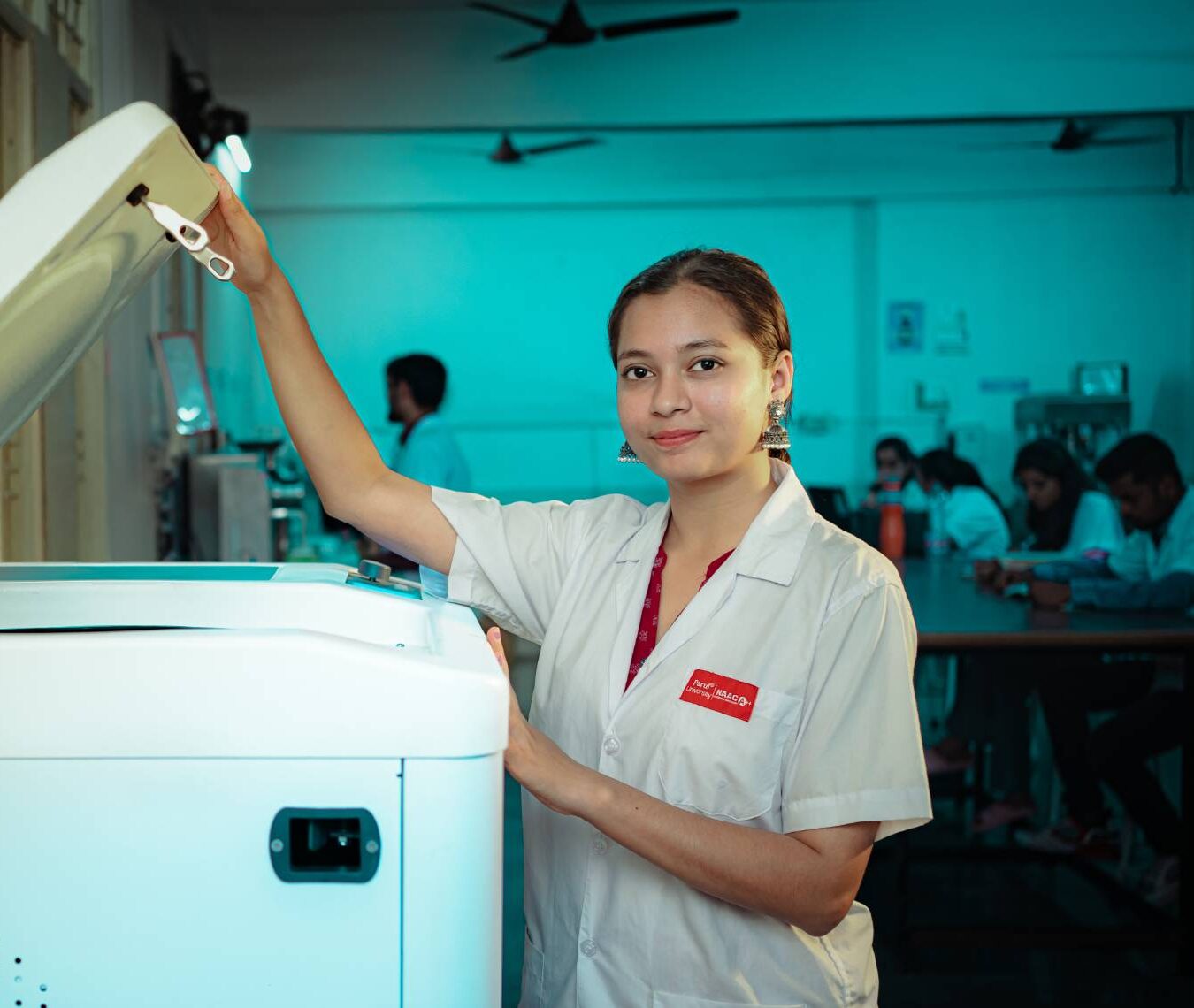

PCI Aligned Syllabus & Career progression pathway


Credibility you can verify.
Recognitions and design choices that make an Pharmacy degree hold up to scrutiny stated as third-party facts, not slogans.






The Faculty of Pharmacy
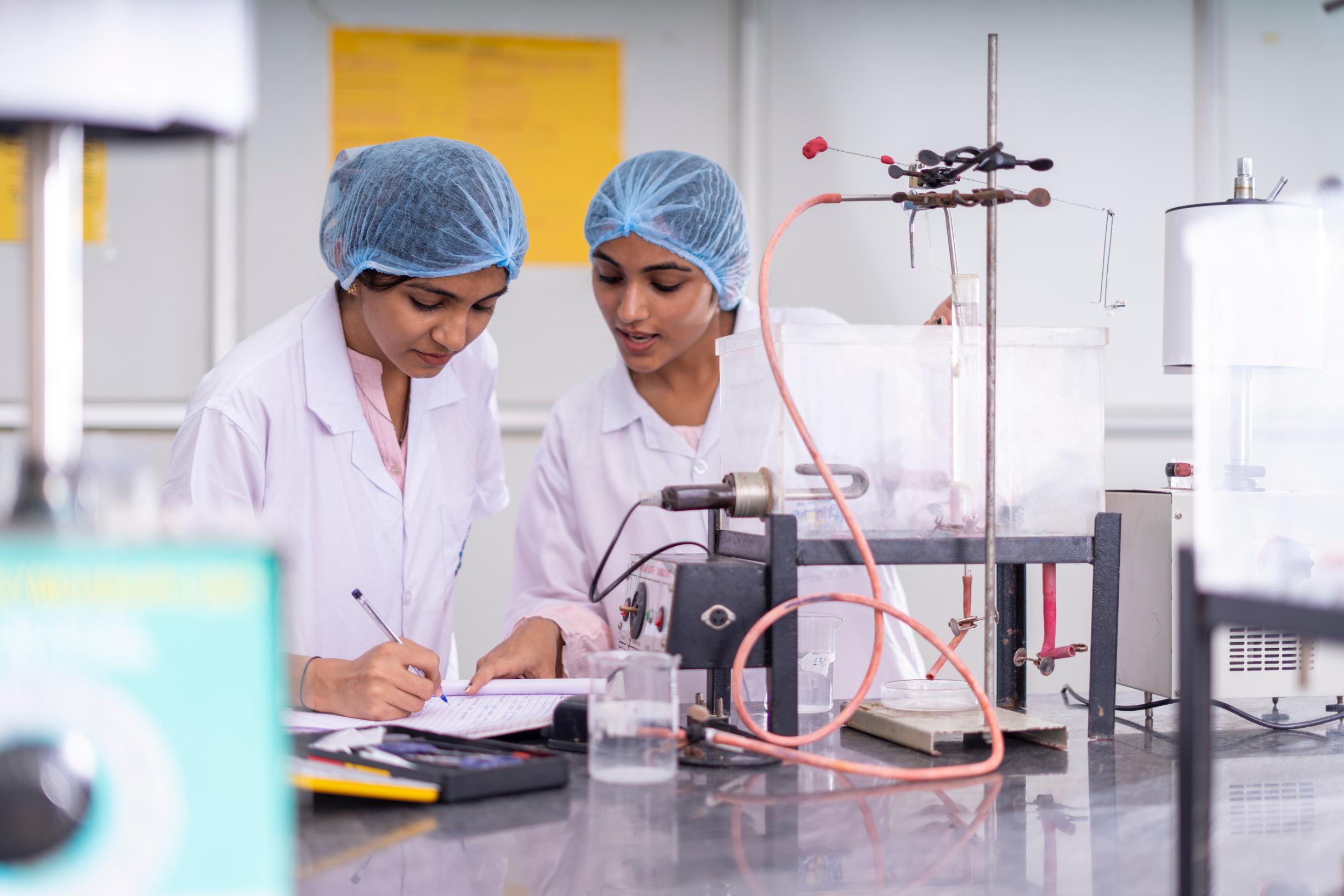
A pharmacy faculty at India’s youngest NAAC A++ university, FOP educates future healthcare professionals, clinical experts, and pharmaceutical researchers across diploma, undergraduate, postgraduate, clinical doctoral (Pharm.D), and residency programs taught through hands-on laboratory practice, hospital rounds, and industry immersion.
From a 2-year D.Pharm and 4-year B.Pharm to PCI-approved M.Pharm specialisations, Pharm.D, and Post-Baccalaureate Residency tracks, the faculty pairs academic rigour with the practical skills top healthcare and pharma recruiters hire for, backed by a 2200+ recruiter network, advanced research labs, and clinical training pathways.
Vision
To be a citadel of higher education widely acclaimed for its quality education and innovative research contributing towards development of competent professionals with human values for societal development.
Mission
To provide value-based quality education and relevant skills, foster innovative research and development, and serve society, industry, and the community by addressing challenges and enhancing the quality of life and regional development.

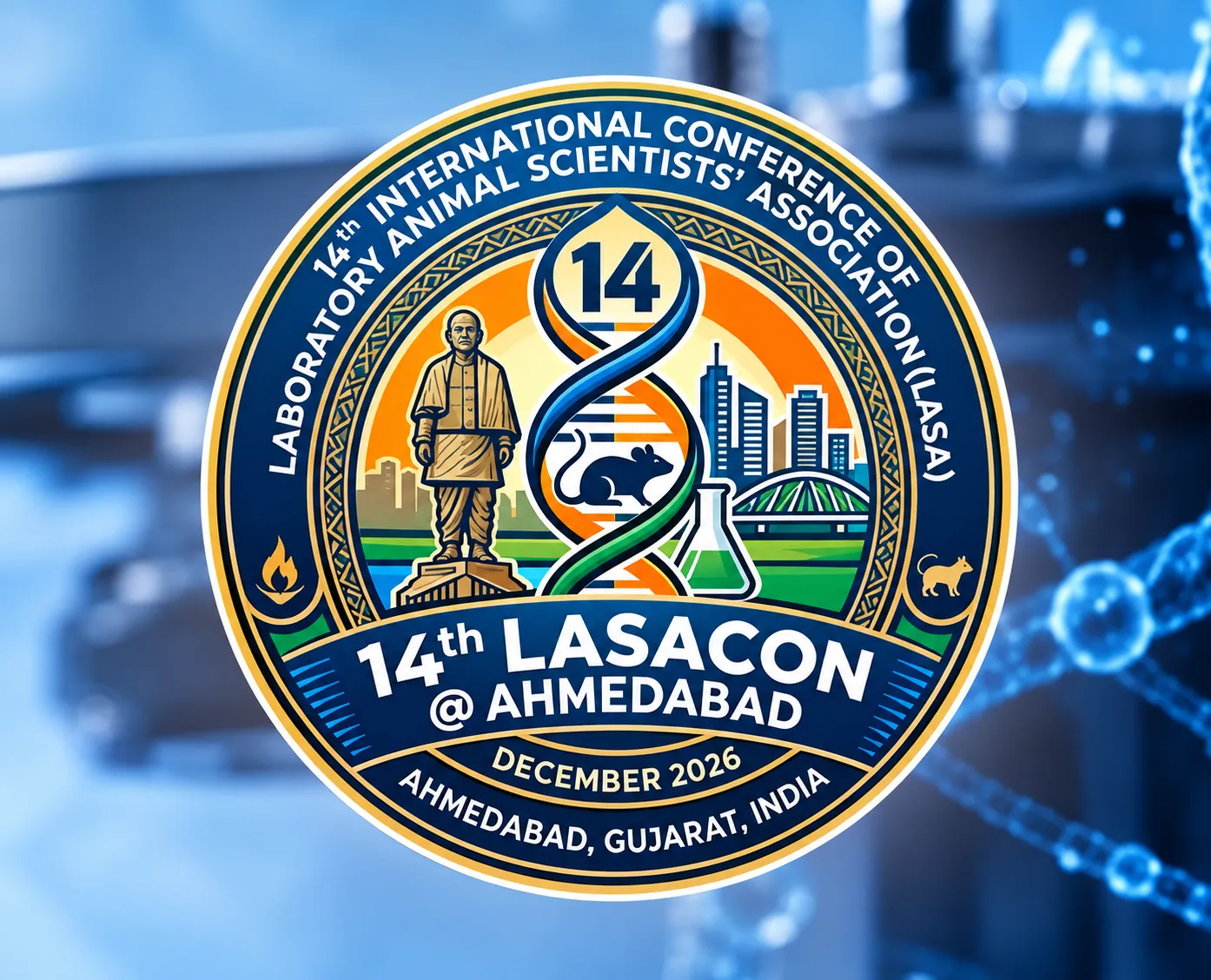
LASACON 2026
Laboratory animal science comes to Gujarat for the first time, hosted by Accuprec Research Labs in Ahmedabad.


Not sure which route fits?
Compare them side by side.
Multiple pathways into pharmacy at PU from entry-level diploma to advanced clinical residency.
D.Pharm
B.Pharm / B.Pharm (LE)
M.Pharm
Pharm.D / Pharm.D (PB)
Pharmacotherapy Residency
*Tuition fees may vary depending on the country or state in which the candidate has completed their qualifying examination. Merit, rank-based, and domicile scholarships are available. The final fee structure and applicable scholarships will be confirmed by the Admission Committee. Specialised M.Pharm and Pharmacotherapy Residency tracks are subject to PCI guidelines and clinical seat allocations.
Diploma
D.Pharm • 2 YearsBachelor's
B.Pharm • 3–4 Years • 2 OptionsMaster's
M.Pharm • 2 Years • 10 SpecialisationsDoctorate
Pharm.D • 3–6 Years • 2 PathwaysResidency
Pharmacotherapy • 2 Years • 3 SpecialisationsA D.Pharm designed around where you'll work, not just what you'll study.

Choose the 2-year D.Pharm program for a fast-track entry into community and hospital pharmacy. Build strong core knowledge in dispensing and basic pharmaceutical sciences, or seamlessly transition into B.Pharm via lateral entry.
A B.Pharm designed around where you'll work, not just what you'll study.
Choose the 4-year B.Pharm or the 3-year Lateral Entry track for D.Pharm holders. Master drug formulation, quality control, and pharmacology with hands-on lab training and industrial immersion.
B.Pharm
Bachelor of Pharmacy *Core degree for pharma industry, R&D, and regulatory licensingB.Pharm (Lateral Entry)
Bachelor of Pharmacy - Direct 2nd Year *Saves 1 year for Diploma in Pharmacy holdersShort-term certificate courses
An M.Pharm designed around where you'll work, not just what you'll study.
Choose across 10 PCI-approved specialisations, from Regulatory Affairs and Pharmaceutics to Pharmacology and Quality Assurance. Gain advanced analytical expertise through high-impact research projects.
M.Pharm
Master of Pharmacy *See all 10 specialisations by domain belowShort-term certificate courses
A Pharm.D designed around where you'll work, not just what you'll study.
Choose the 6-year Pharm.D or the 3-year Post-Baccalaureate pathway. Train directly alongside medical teams in hospital settings, mastering clinical pharmacy and therapeutic drug monitoring.
Pharm.D
Doctor of Pharmacy (Regular) *5 years academic & clinical study + 1 year hospital internshipPharm.D - PB
Doctor of Pharmacy - Post Baccalaureate *2 years clinical study + 1 year hospital internship for B.Pharm graduatesShort-term certificate courses
A Pharmacotherapy Residency designed around where you'll work, not just what you'll study.
Choose from 2-year clinical residency tracks in Critical Care, Cardiology, or Nephrology. Develop expert-level clinical decision-making and patient management skills in high-acuity medical environments.
Three routes forward and FOP is
built for all three.
A pharmacy degree here isn't only a path to a job. Pick the route that fits your ambition - get hired, launch a healthcare venture, or practice globally - and the faculty backs all three.
Step into a career
A 2200+ recruiter network, built-in hospital and industrial internships, and dedicated placement support move you from classroom to offer.
Launch your own venture
Pharma startup incubation, seed funding access, and regulatory support to turn drug research and healthtech ideas into viable products.
Take your degree global
PCI-aligned curriculum, international clinical exposure, and guidance for global pharmacy licensing exams (FPGEE, PEBC, KAPS).
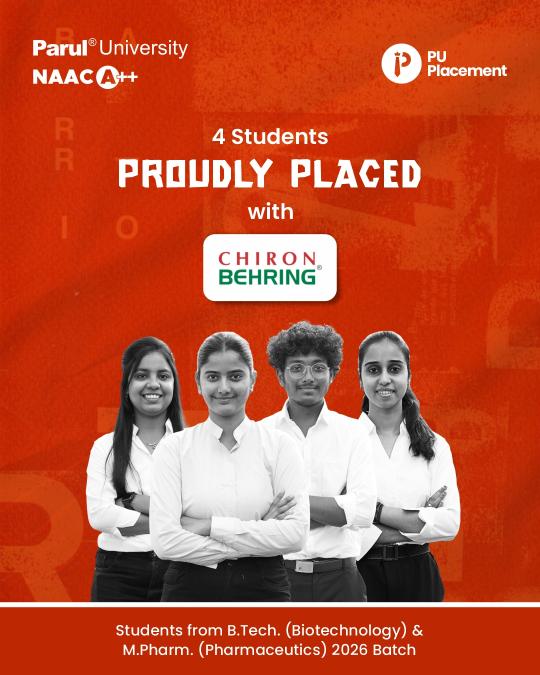
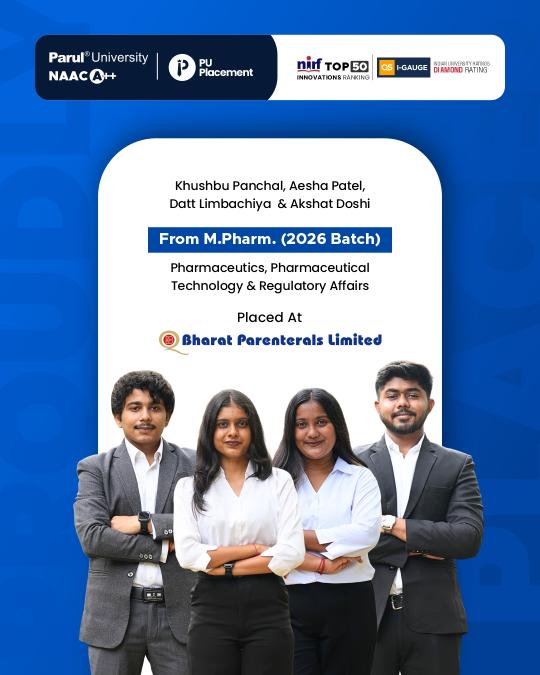
A recruiter network behind every student.
A pharmacy degree here isn't only a path to a job. Pick the route that fits your ambition - get hired, launch a healthcare venture, or practice globally - and the faculty backs all three
















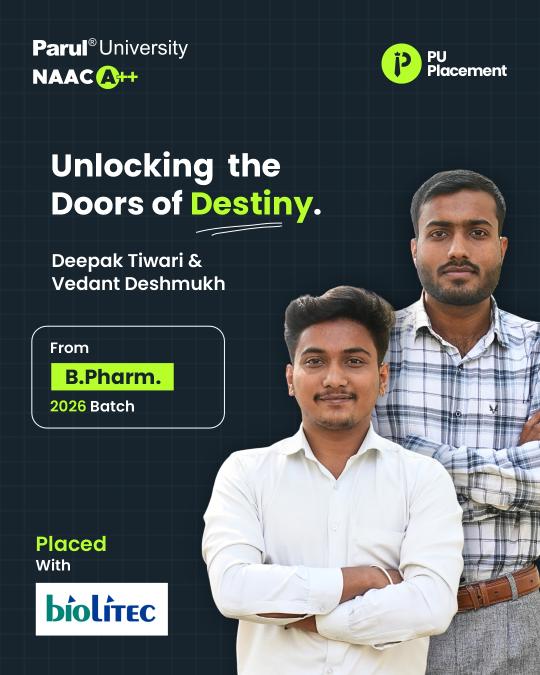
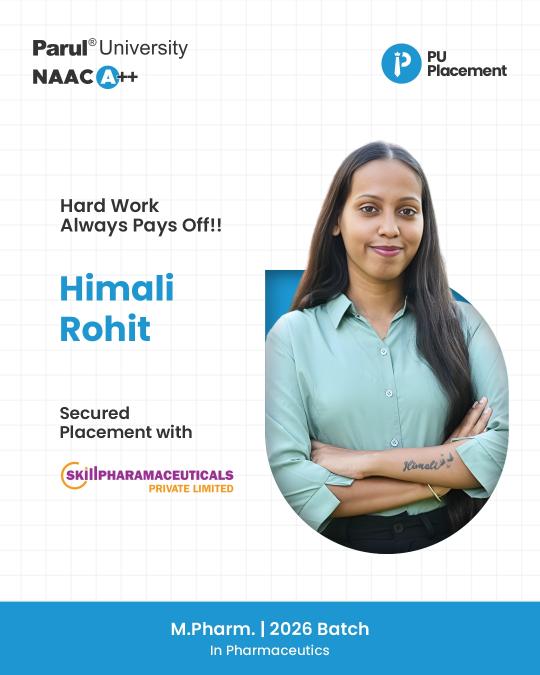
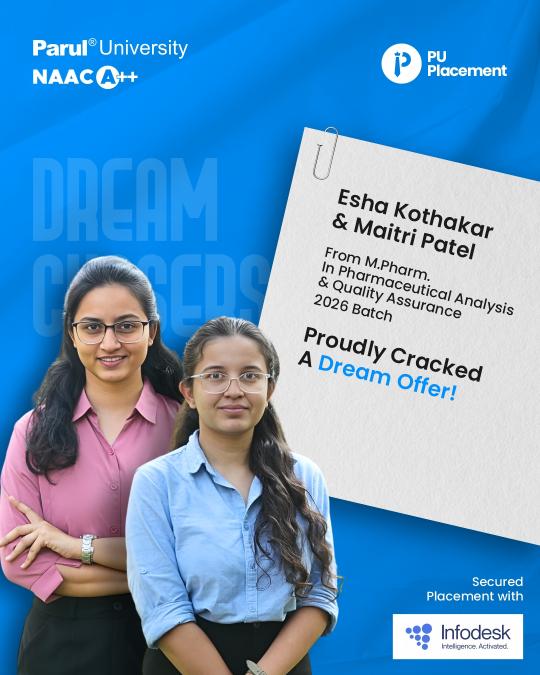
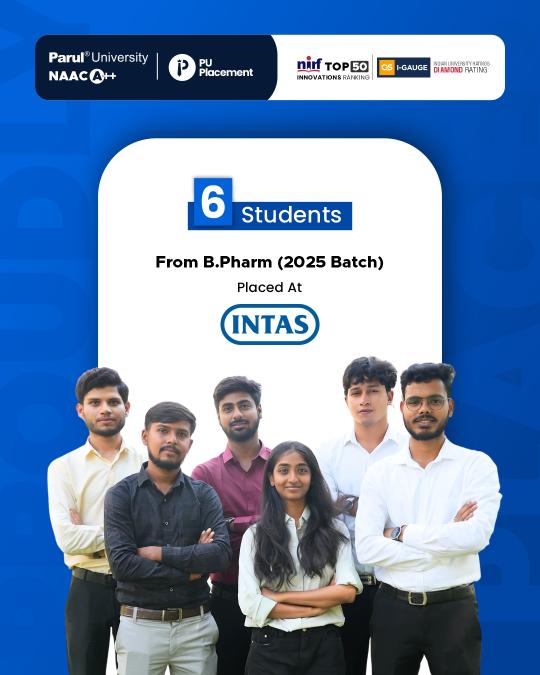
Don't just study public health - start a venture.
If your plan is to build rather than join, the campus startup ecosystem turns a healthtech or pharma idea into a company while you study: incubation, mentorship, formulation prototyping, and seed support, all on site.


Incubation and co working
A dedicated on campus incubator with workspace, formulation labs, and prototyping support to take your healthcare venture from concept to MVP.
Founders, mentors and investors
Guidance from pharma entrepreneurs, clinical faculty mentors, and a healthcare investor network: the people who help a healthtech venture survive its first year.
Seed and grant support
Access to seed support, research grants, and pitch opportunities so a good biomedical or pharma idea is not stopped by early stage funding.
Built for business owners
A natural fit for the MVA in Innovation, Entrepreneurship & Family-owned Business - modernise and scale the business you will inherit.

Where students are trained on tools
industry is hiring for.
A dedicated future skills centre giving pharmacy and healthcare students access to global certifications, advanced analytical tools, and clinical simulation: the kind of exposure that turns a degree into an offer letter.
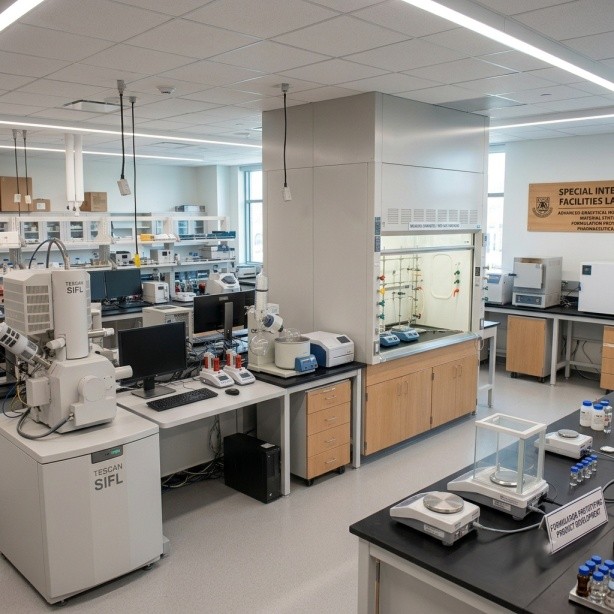
Special Integrated Facilities Lab
Advanced analytical instrumentation, material synthesis, and formulation prototyping facility

NSDC partnership
25+ globally recognised skill certifications

Ward Round Simulation
Clinical Pharmacotherapy Practice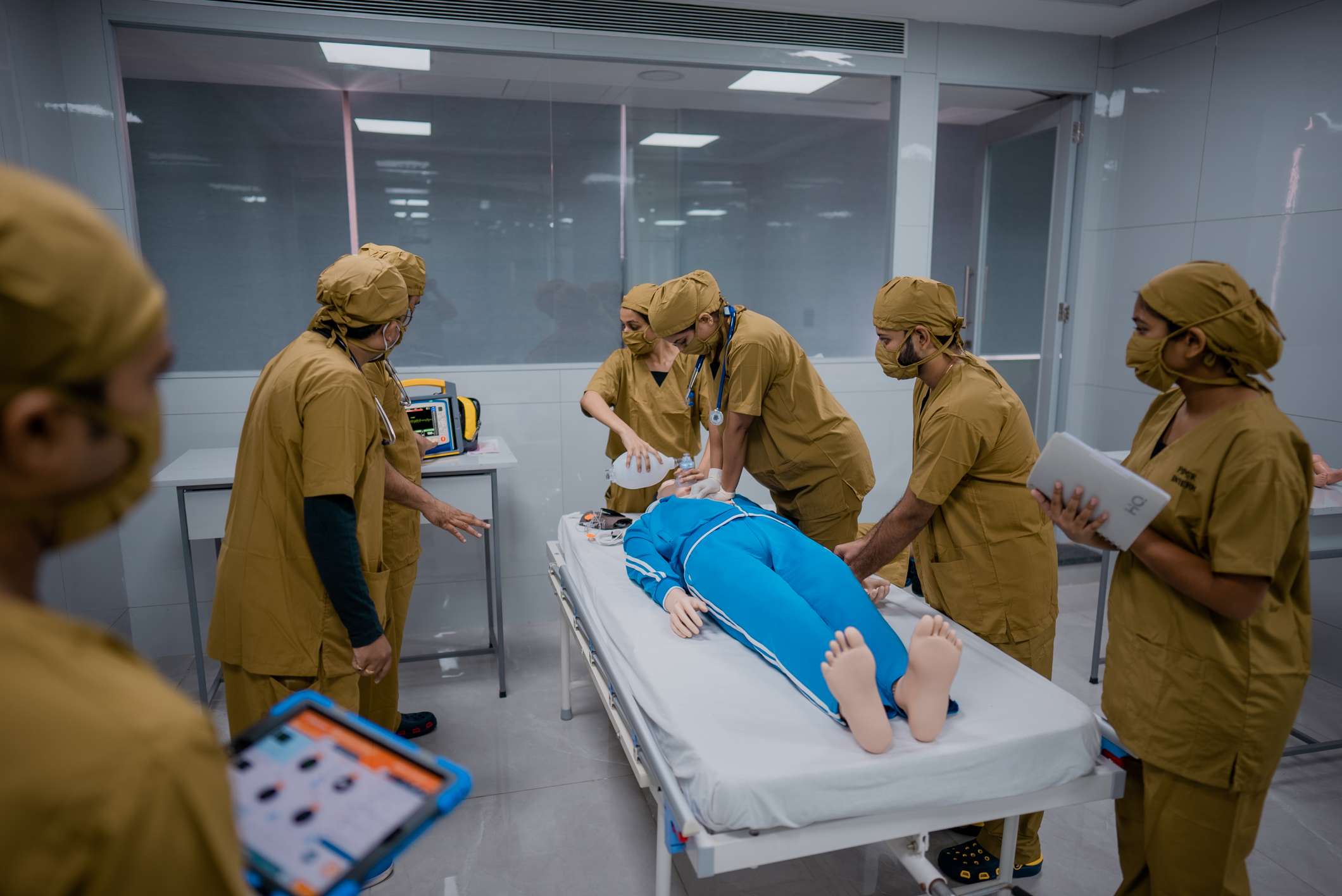
Emergency Care Simulation
Critical Pharmacotherapy Protocols
Diagnostic Monitoring
Patient Assessment Skills
Airway Management Training
Drug Delivery & Device Demonstration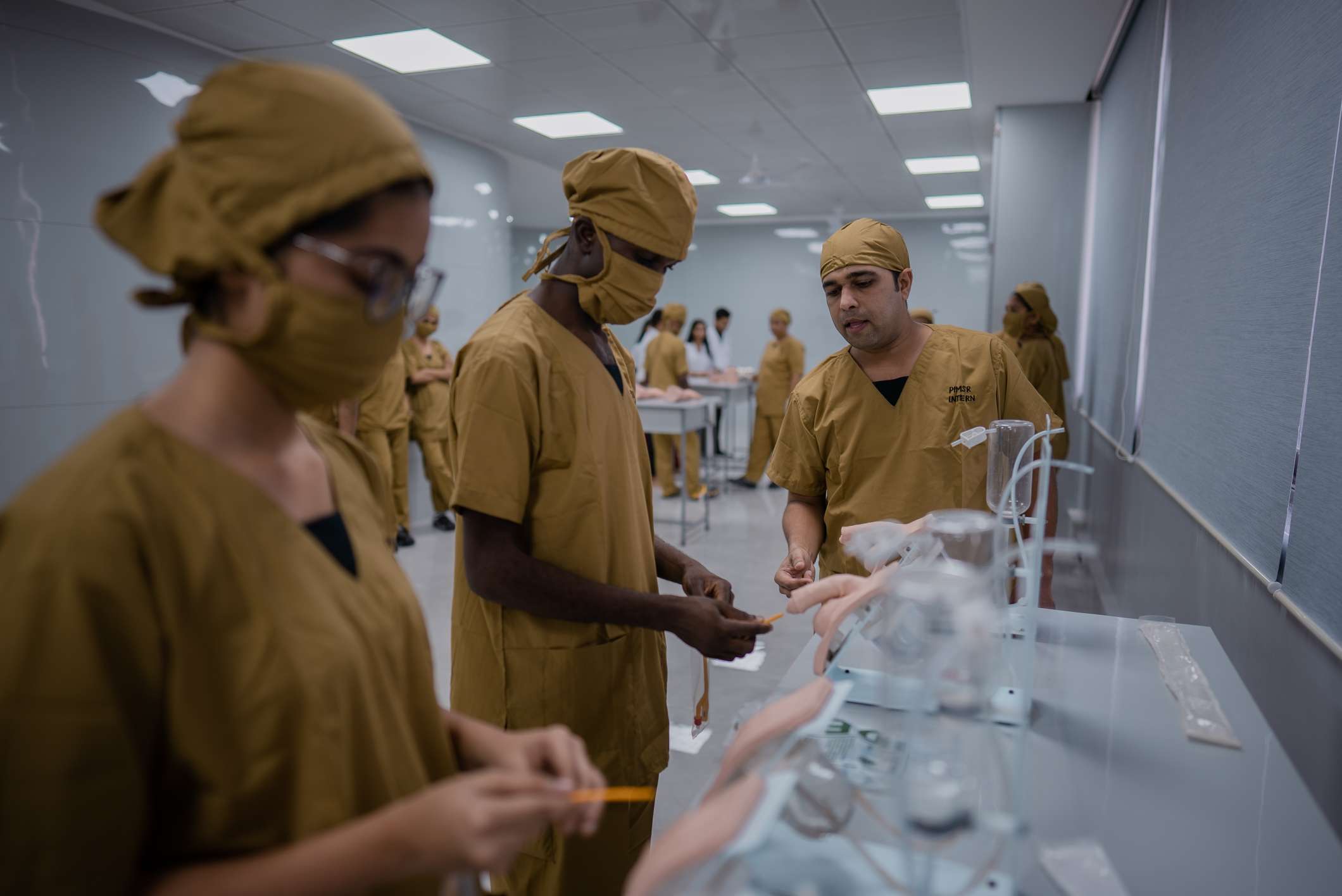
Procedural Skills Lab
Aseptic Handling & Parenteral Training
Where pharmacy stops
being theoretical.
Clinical rotations, structured industrial internships, a healthtech startup incubator, and dedicated career cells – the experiences that build a portfolio, not just a transcript.
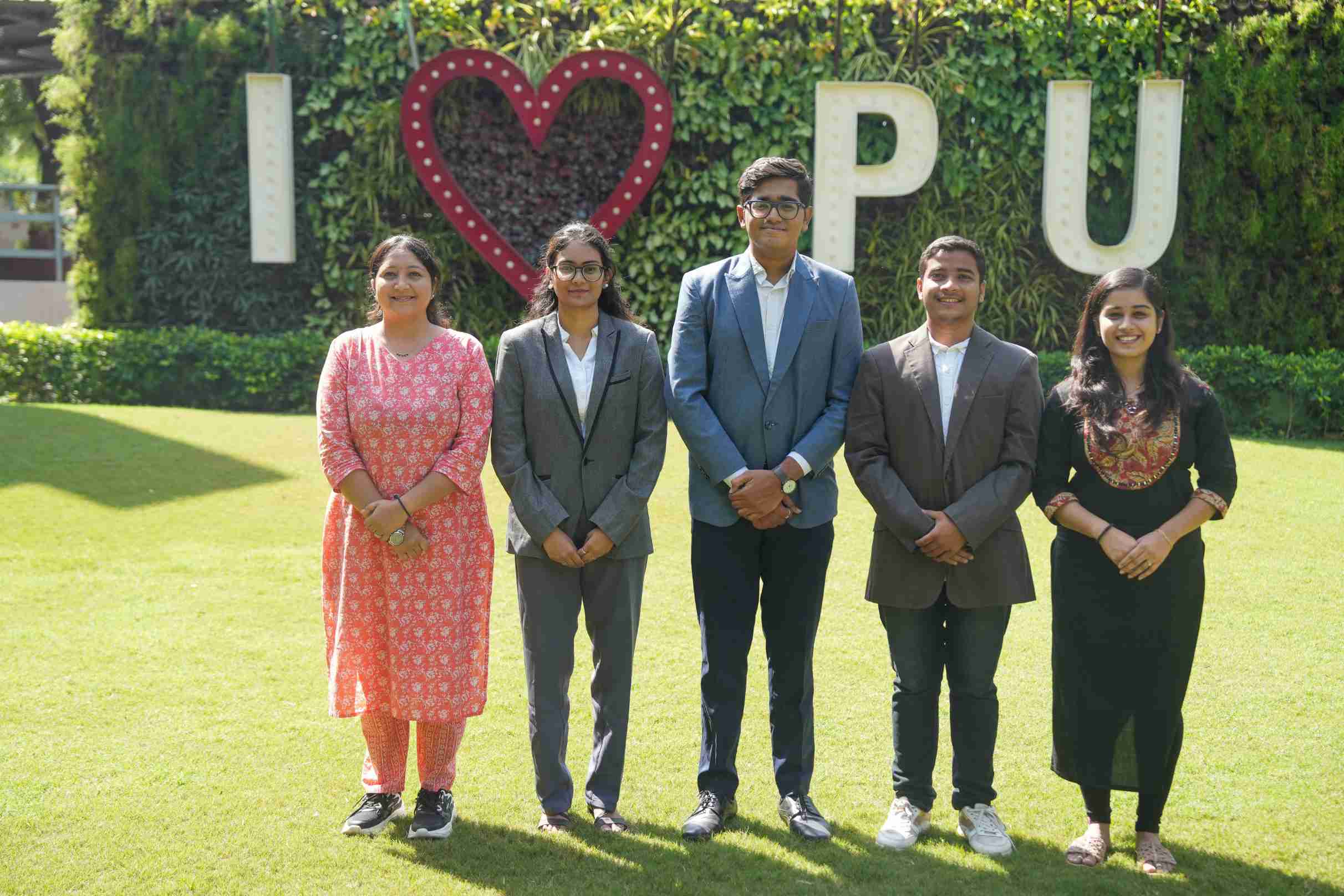
Internships built into the degree
Industrial training and hospital clinical rotations built directly into the curriculum put real practice on your CV before graduation, supported by a dedicated Internship Cell.
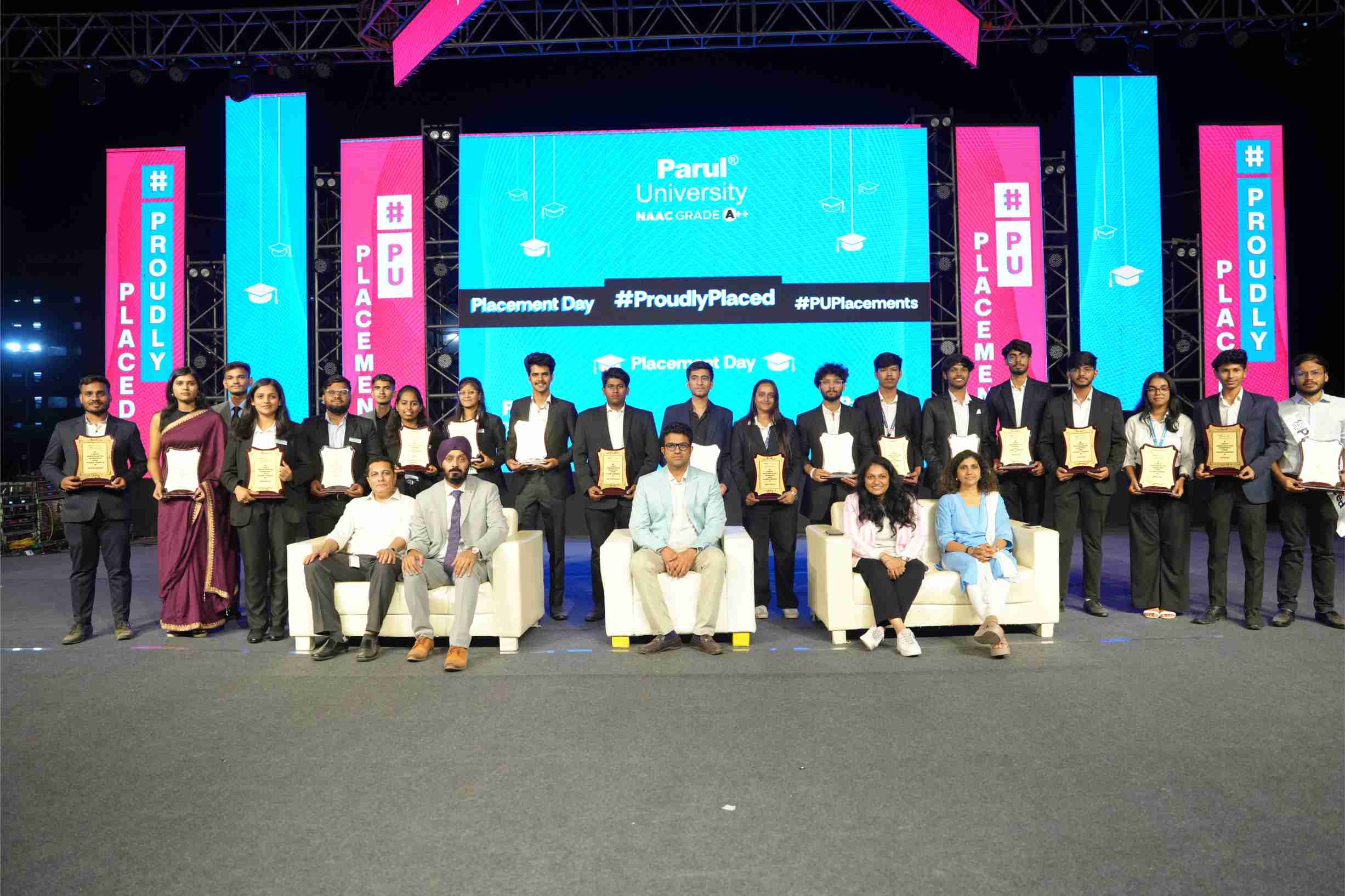
Training and Placement support
A dedicated Training & Placement Cell and Entrepreneurship Development Cell support every pharmacy student from first year to final offer.
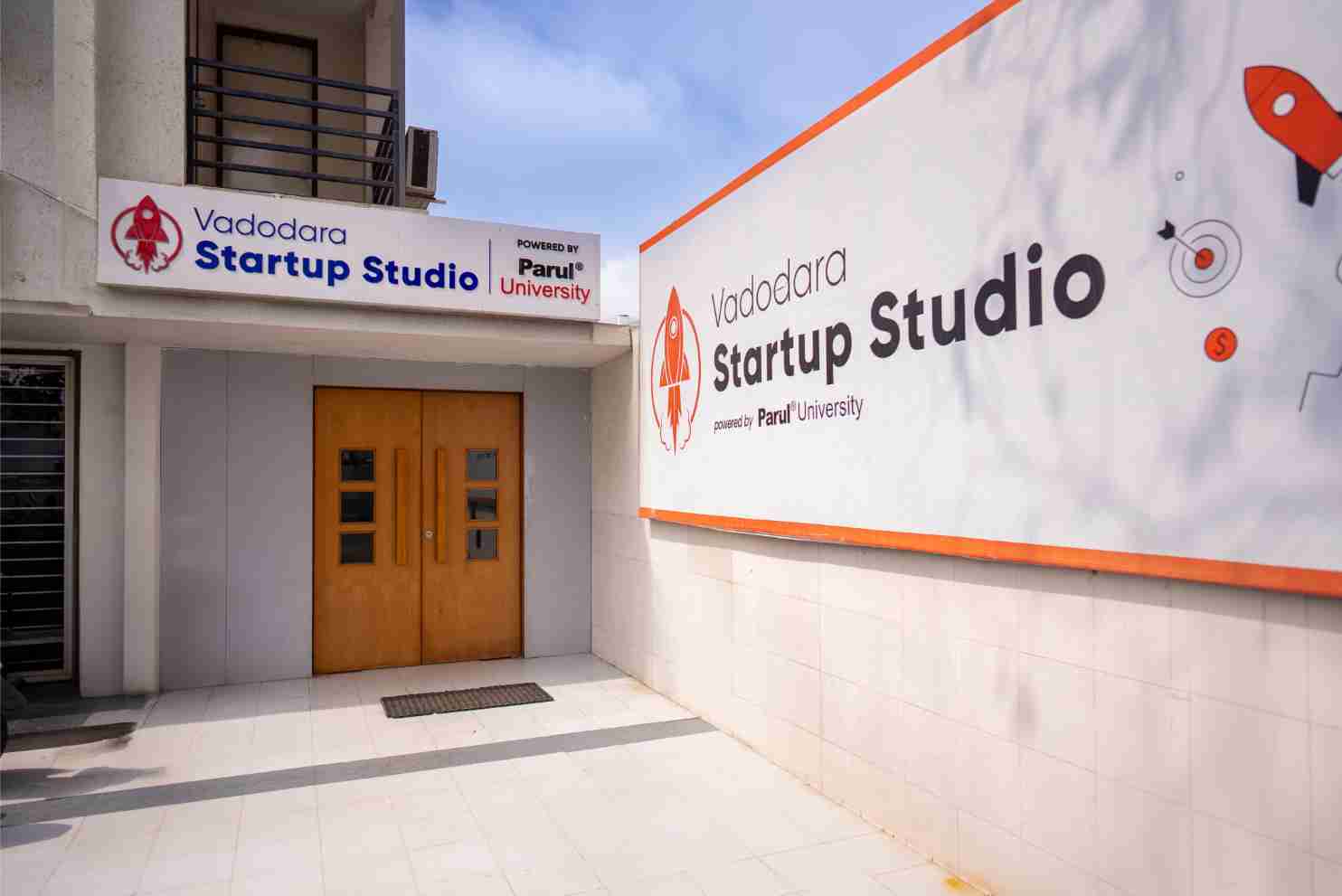
Build a venture at PIERC
The Parul Innovation & Entrepreneurship Research Centre offers incubation, mentorship, and seed support – ideal for healthcare entrepreneurs and startup bound students.
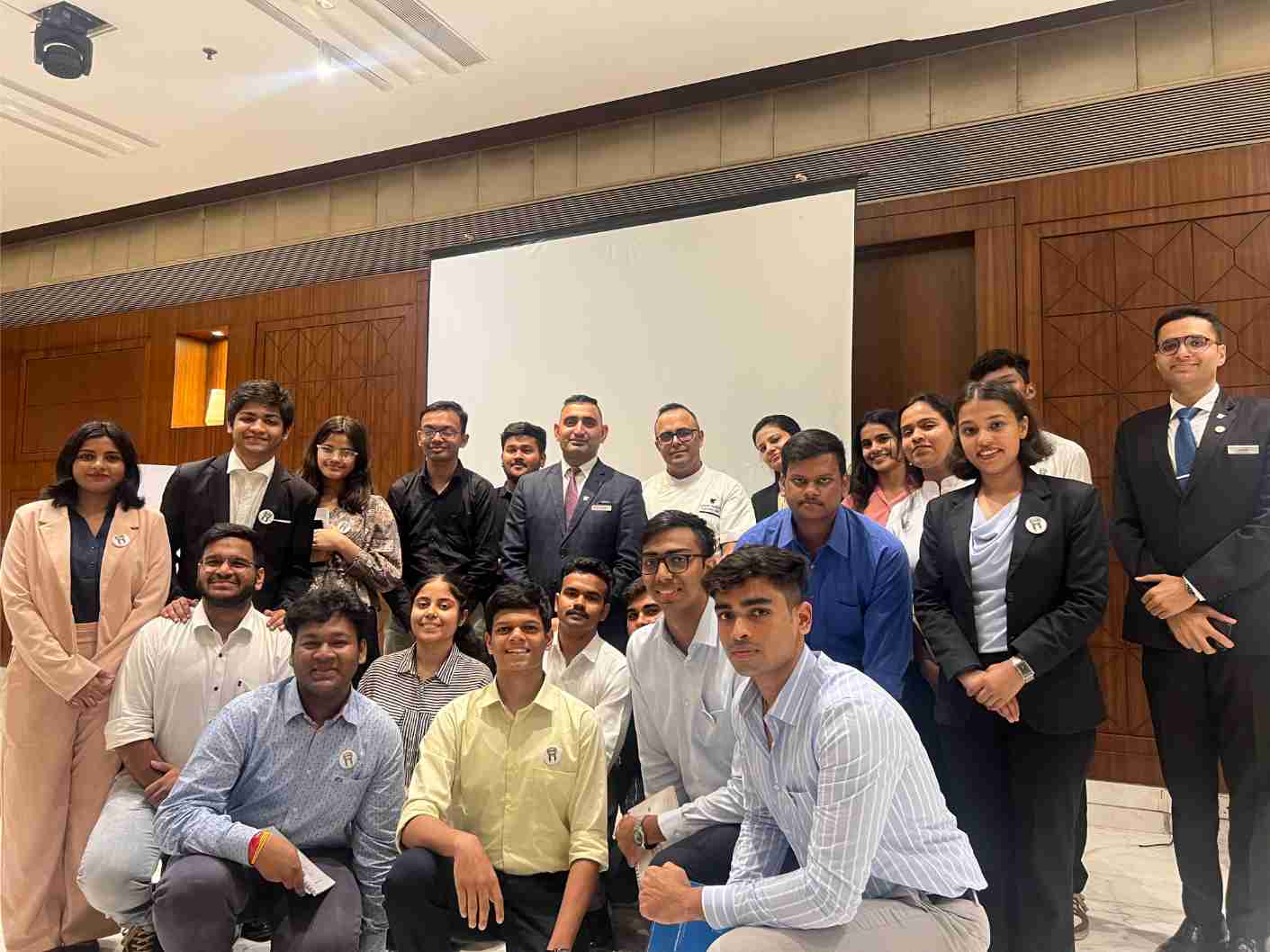
Live Projects & corporate engagement
Real time pharmaceutical projects and industry corporate engagement build the practical, lab ready edge recruiters look for.
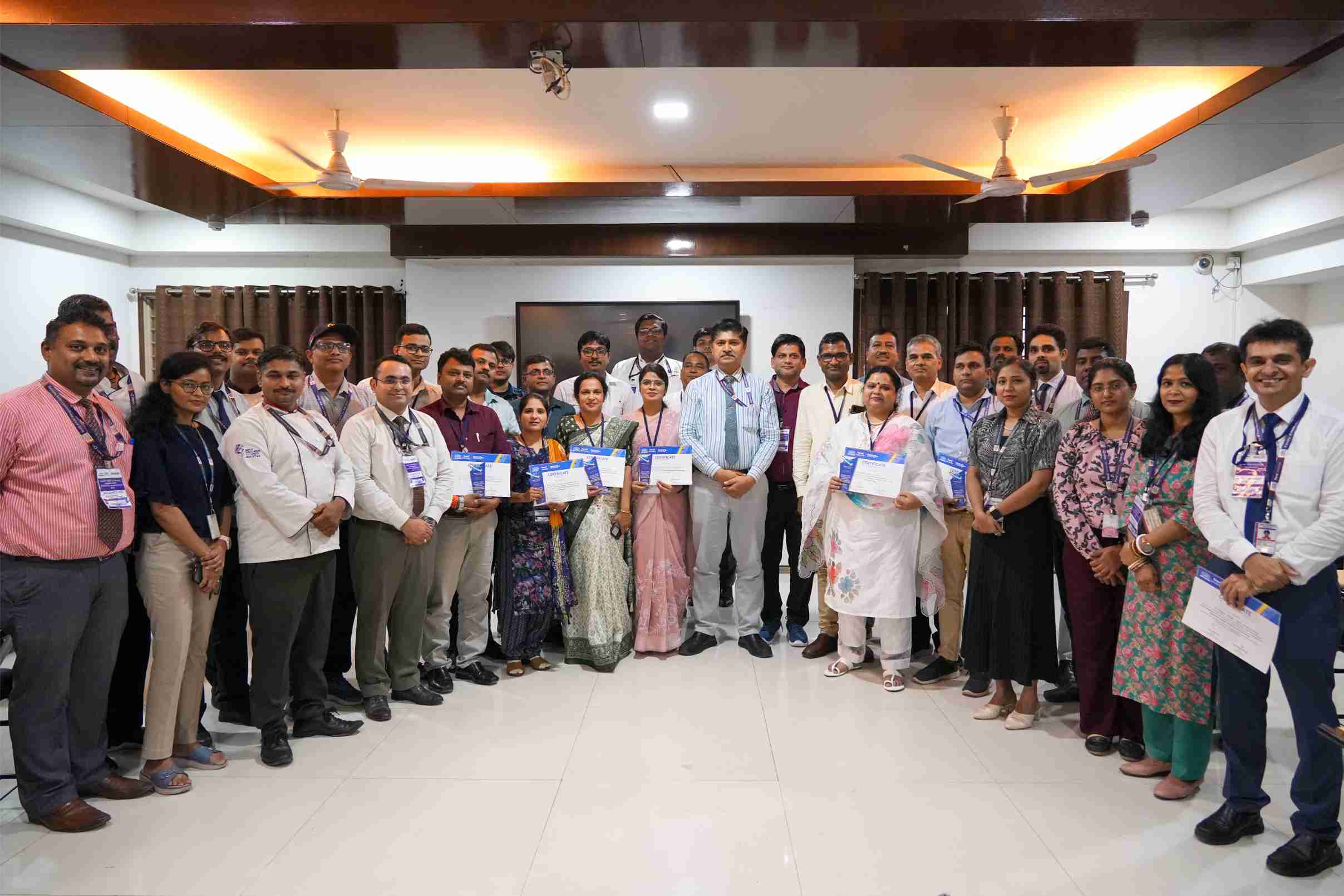
Summits, conferences & guest lectures
Pharma summits, scientific research conferences, and industry guest lectures hosted by the faculty throughout the year.
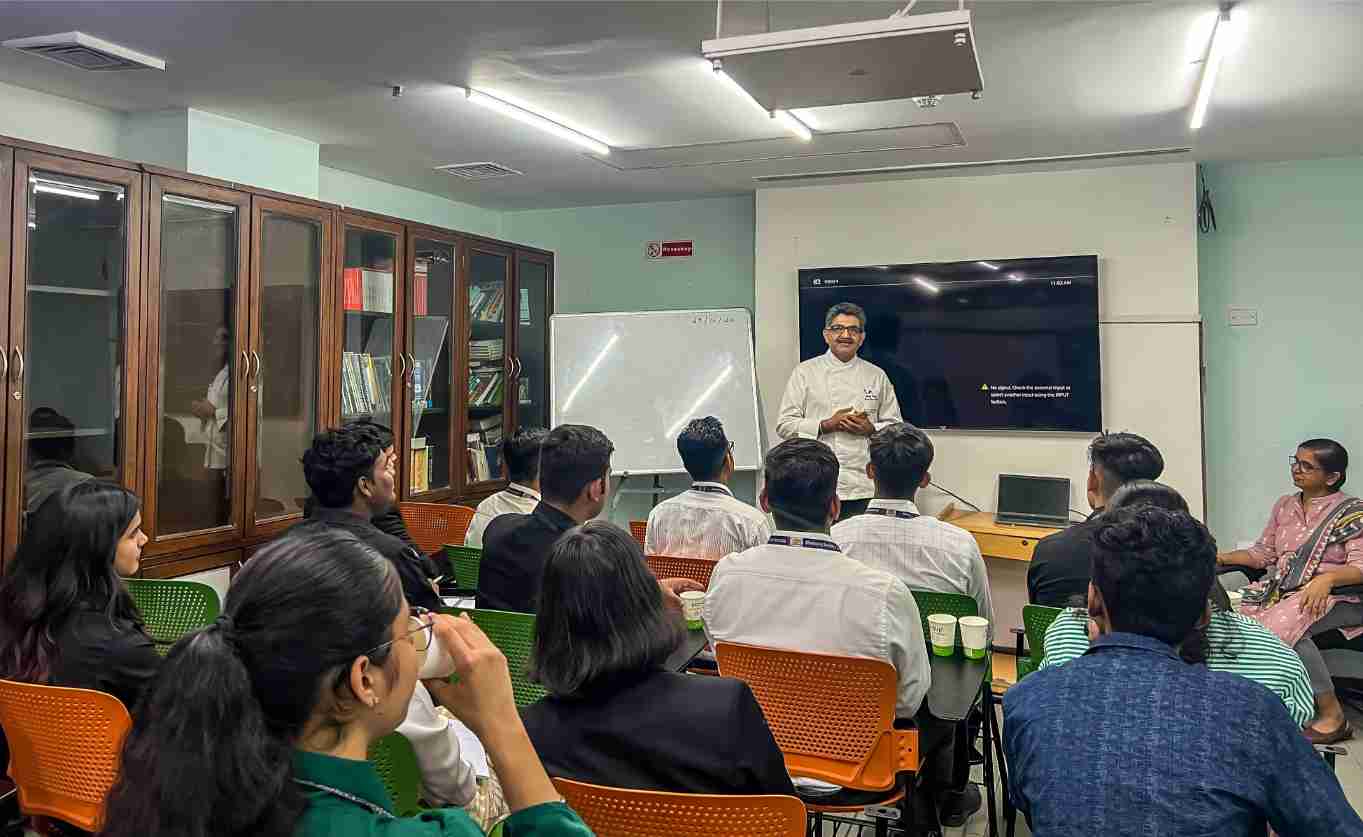
Industry & clinical visits
Sector specific visits to pharmaceutical manufacturing plants, R&D labs, and hospital facilities translate classroom theory into how real operations run.
Learn from handpicked
leaders, in person.
A sample of the leaders, scientists, athletes and changemakers who have addressed Parul University students through the PU Talks series.

500+
Participants


PharmaFest
PharmaFest at Parul University is a major academic, professional, and cultural festival organized by the Faculty of Pharmacy. Driven by the theme "Festival of Formulas & Future," the event brings together industry experts, researchers, and students to discuss healthcare innovations and scientific research.


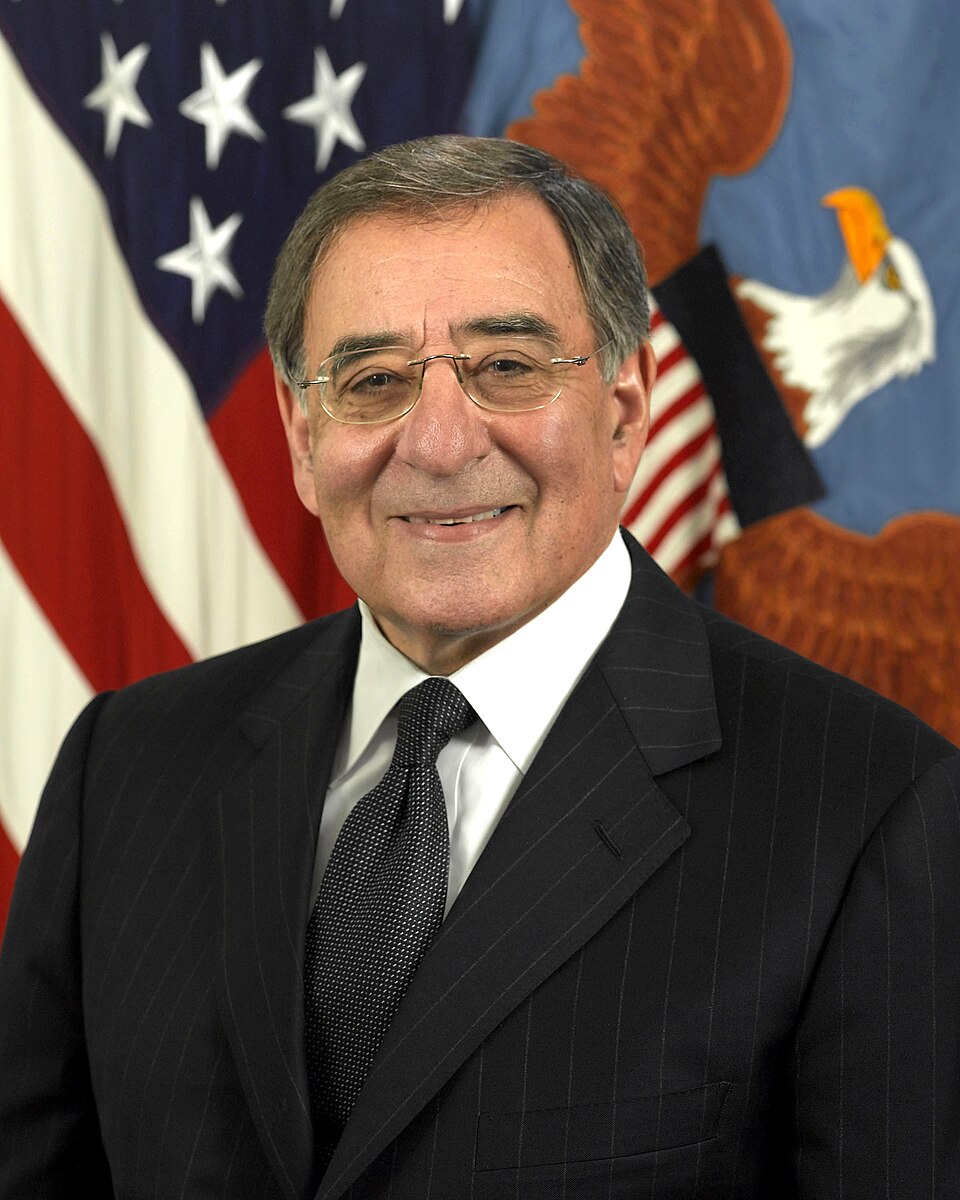
Global Perspective Series
GPS bridges academic learning with real-world governance. It gives students direct, interactive 1:1 access to Nobel laureates, former heads of state, and international policymakers to discuss global leadership, diplomacy, justice, and social reform.
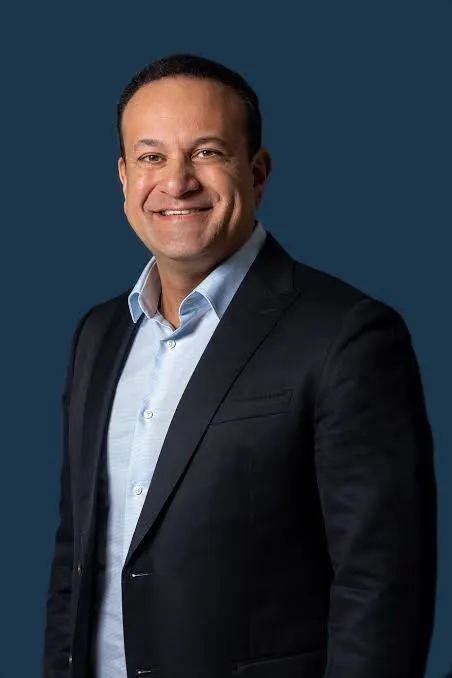
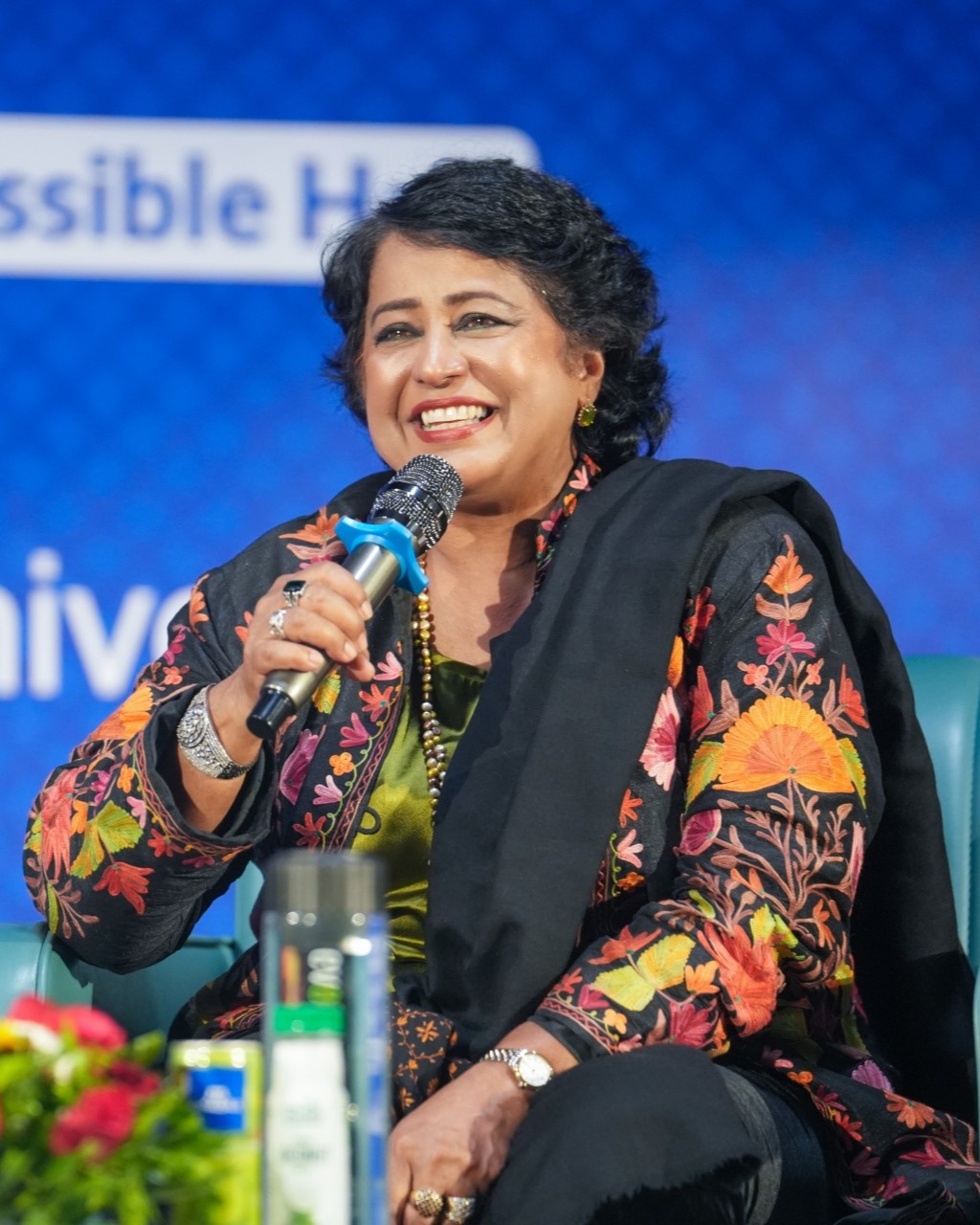
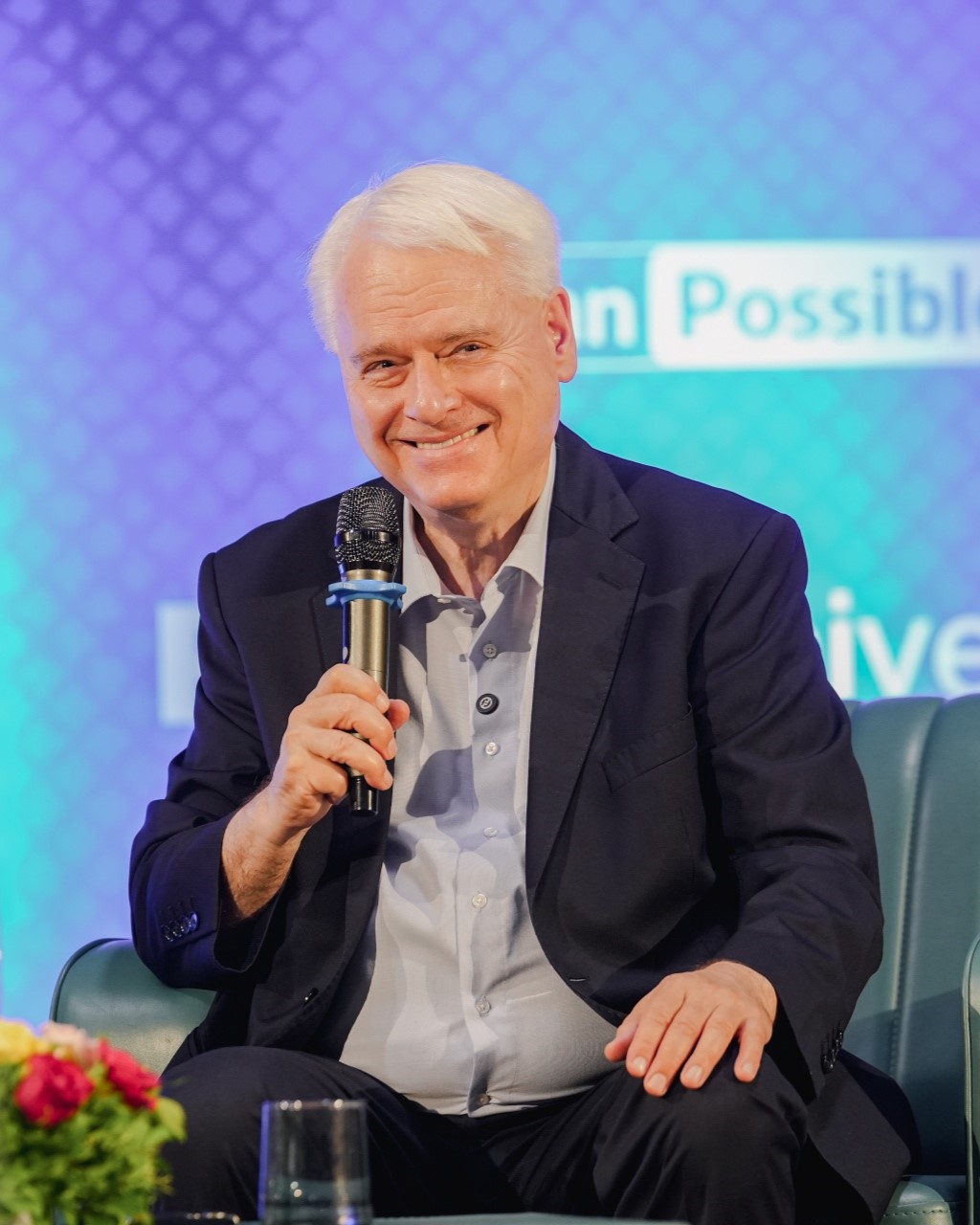

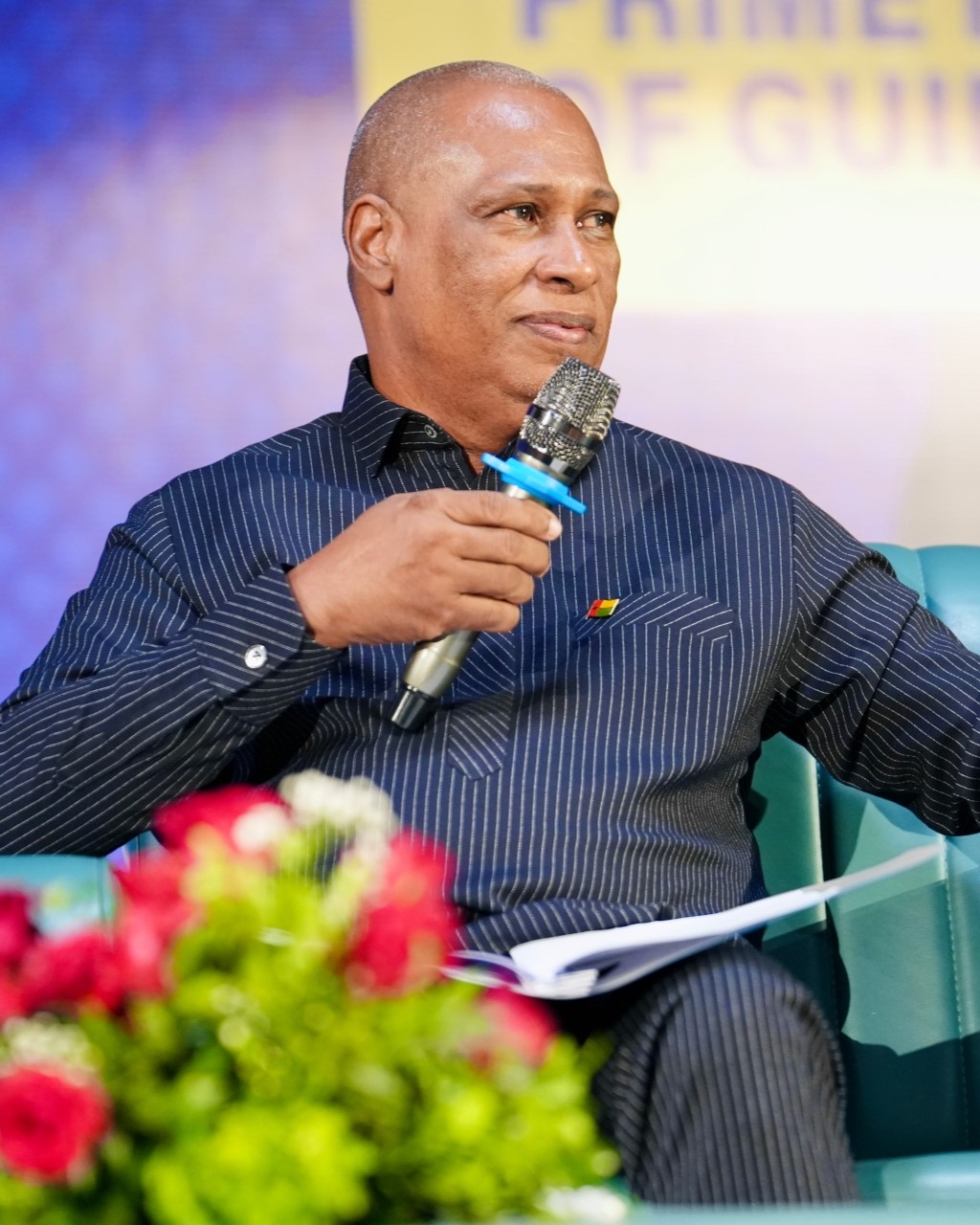
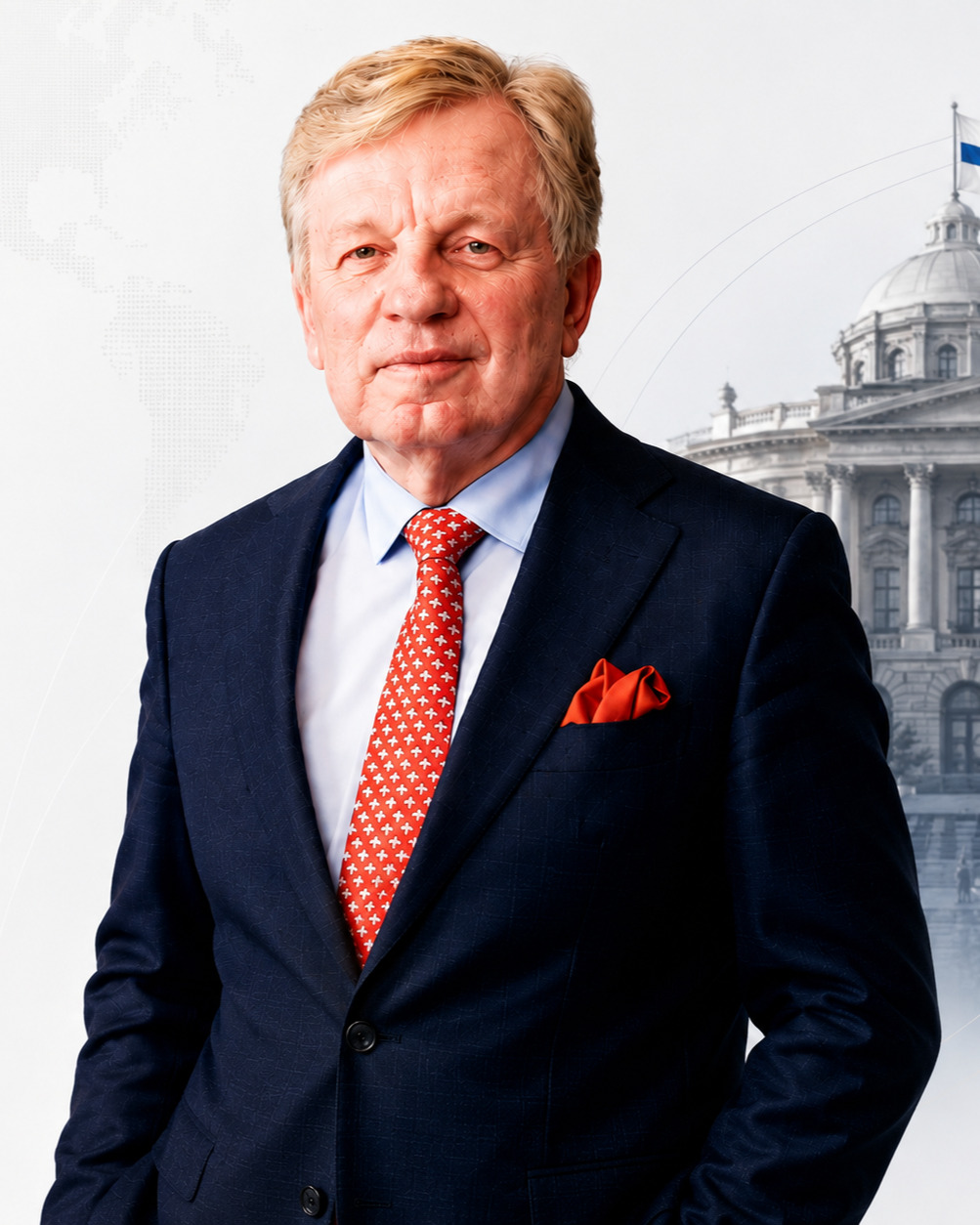
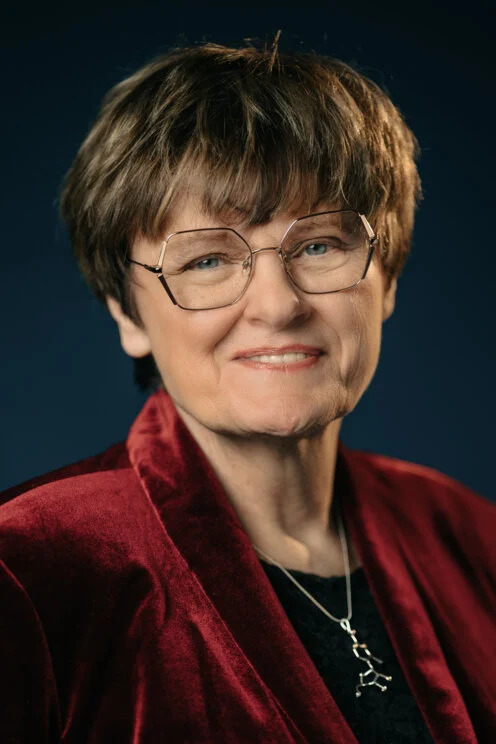
Dr. Katalin Karikó
Nobel Prize in Physiology or Medicine (2023)
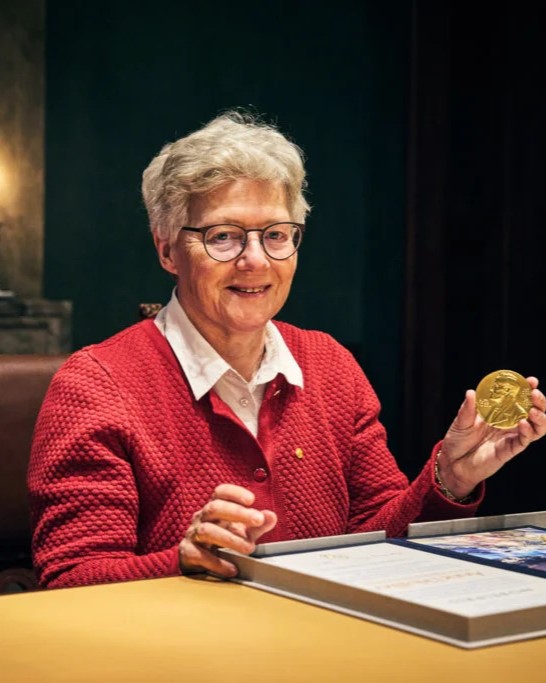
Prof. Anne L'Huillier
Nobel Prize in Physics (2023)
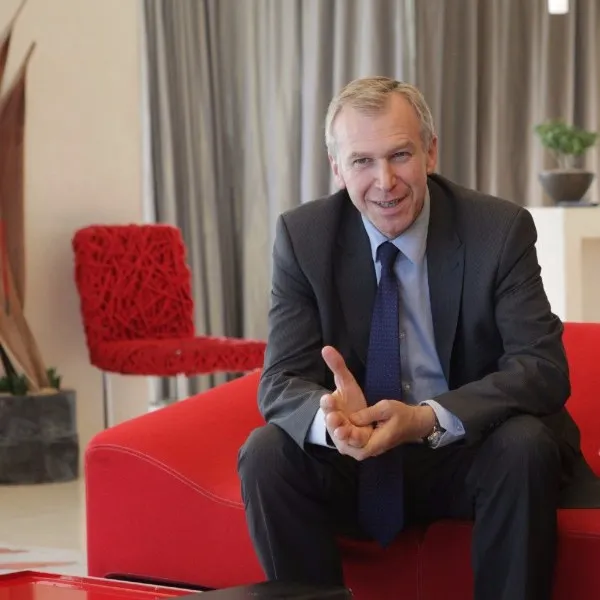
Yves Leterme
Former Prime Minister of Belgium
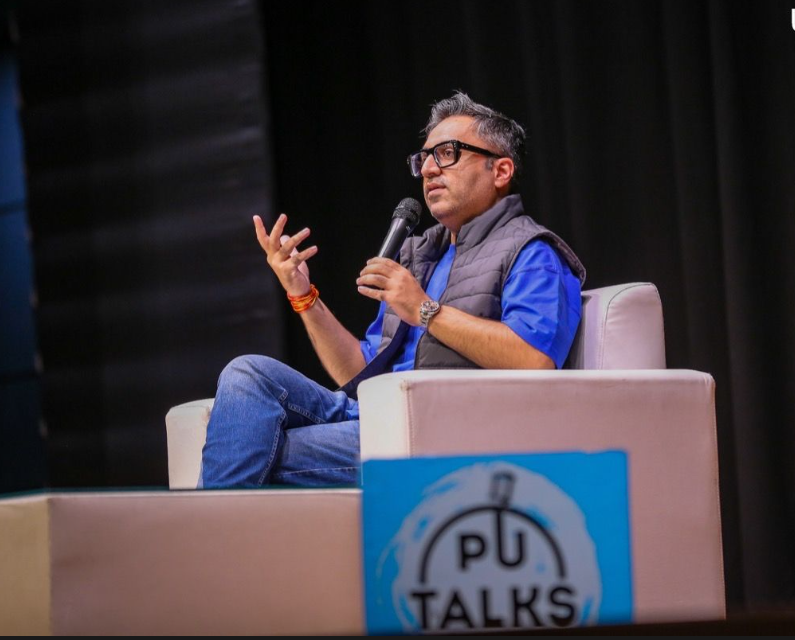
Ashneer Grover
Former MD and Co - Founder

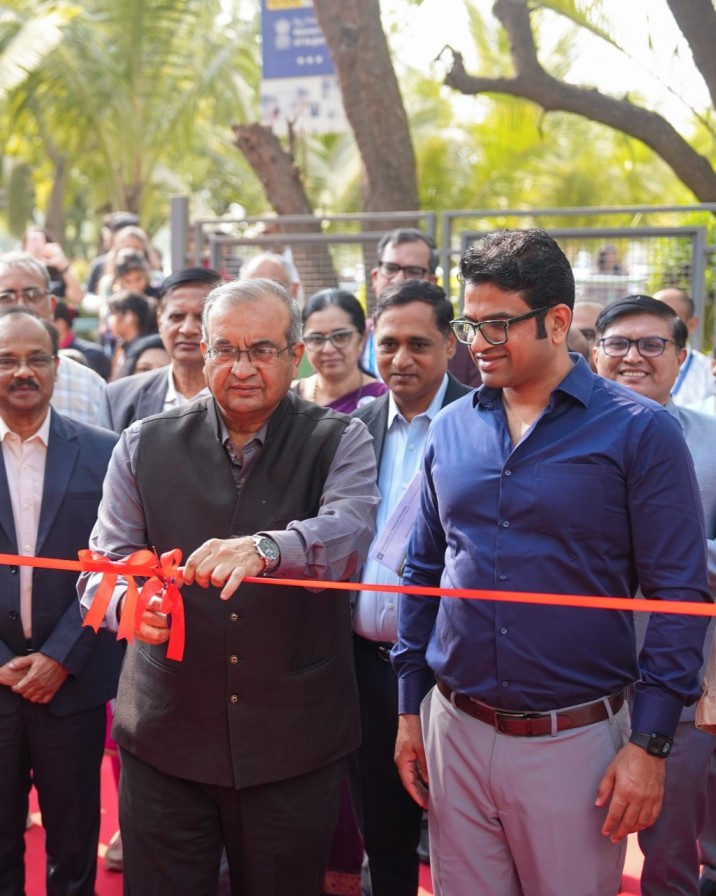
Vadodara Startup Festival
VSF is PU’s flagship national startup carnival, organized annually by the PIERC. Recognized as one of Gujarat’s largest startup carnivals, VSF serves as an incubation and growth platform that connects student founders with venture capital investors, industry mentors, and policymakers.
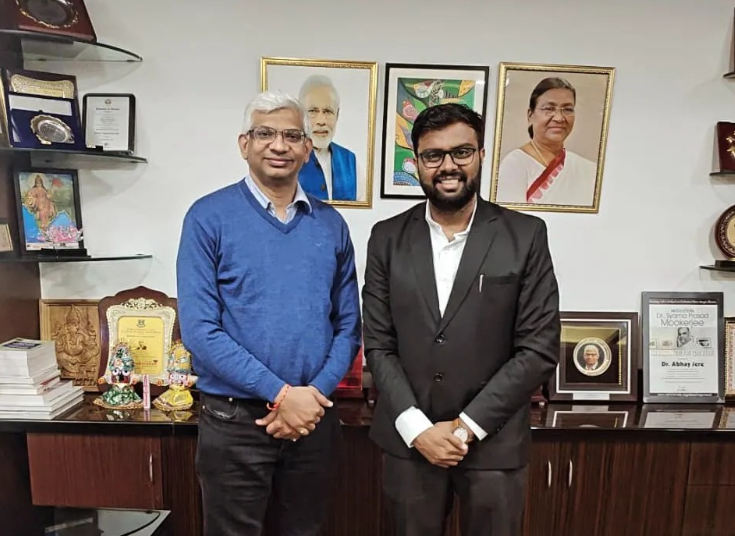
Dr. Abhay Jere
Chief Innovation Officer
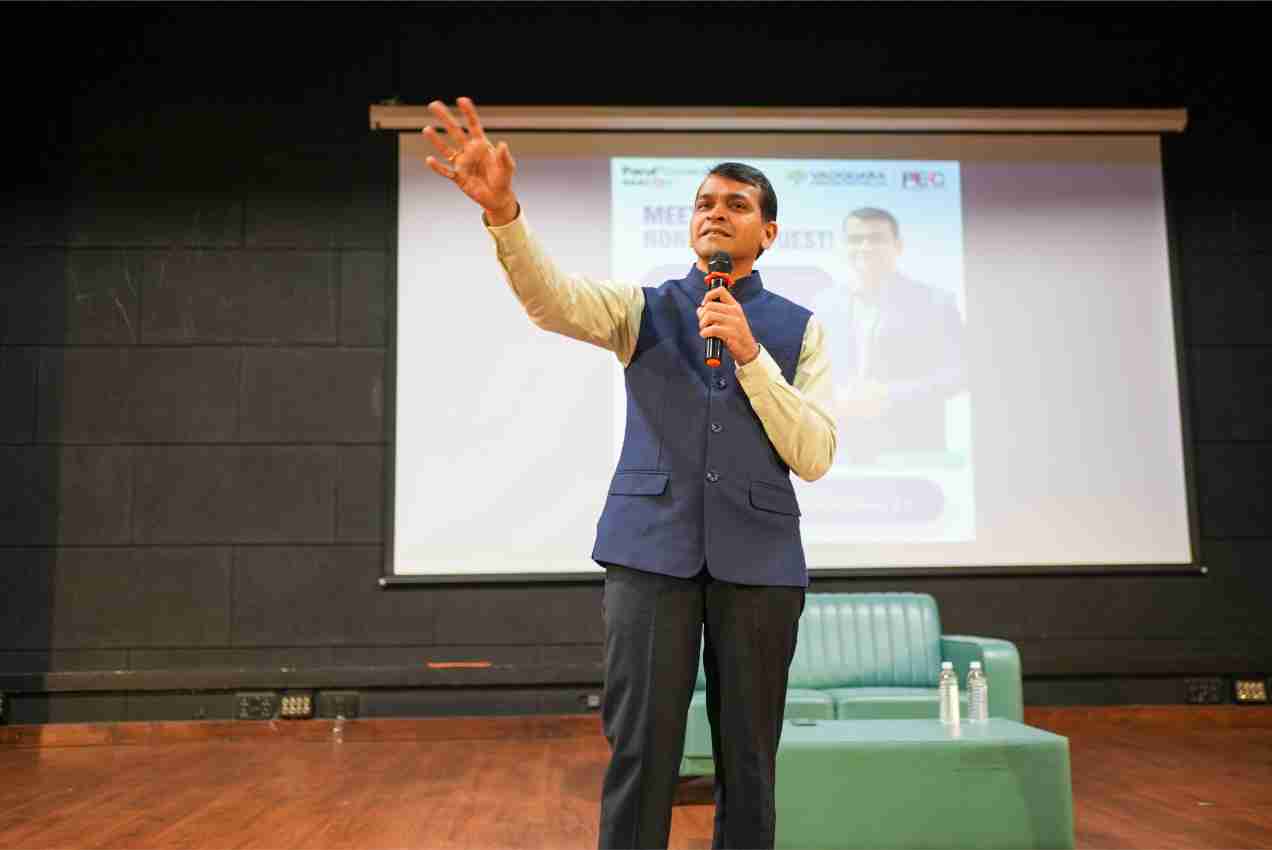
Shri Yogesh Brahmankar
Innovation Director
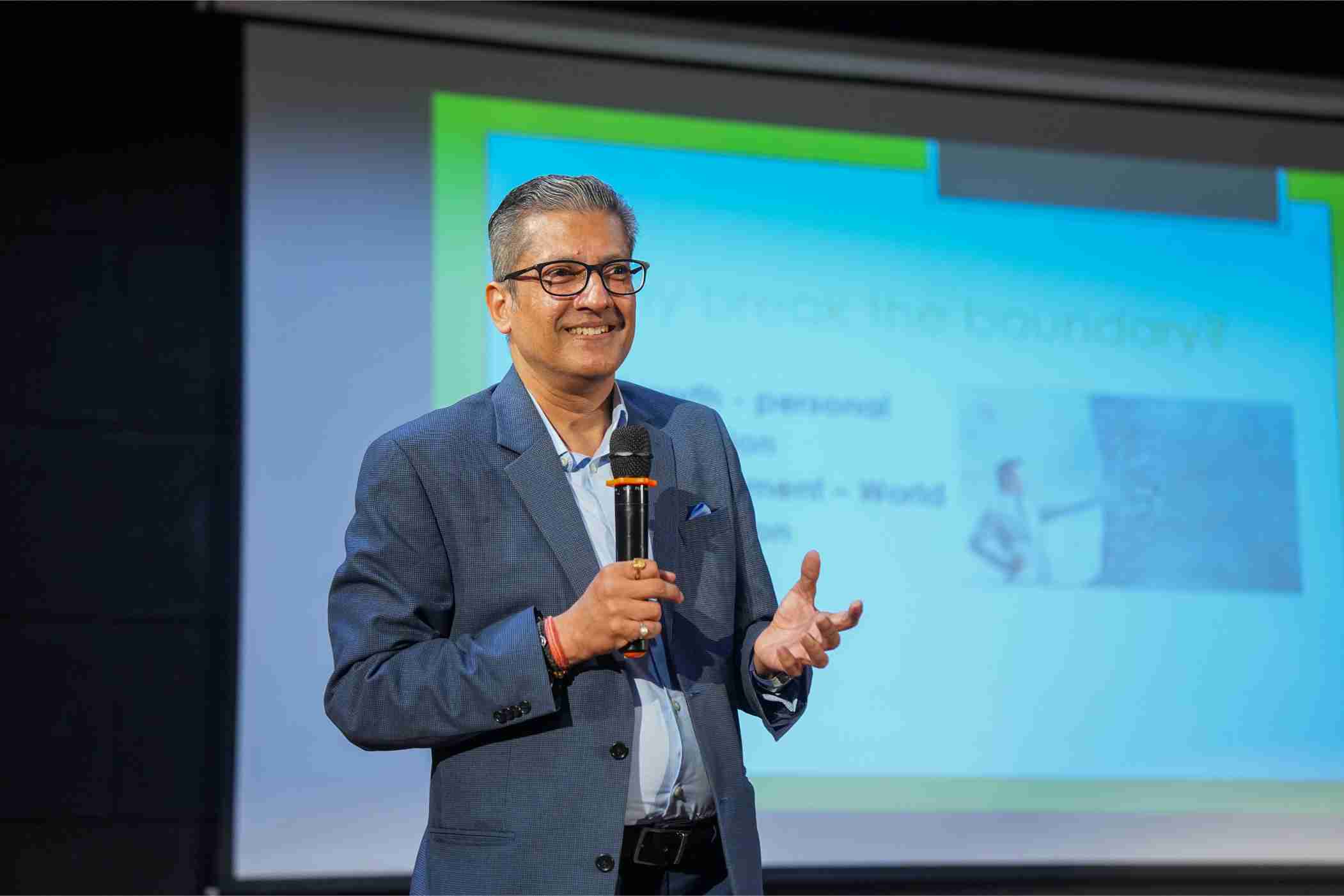
Rajat Singhania
Founder

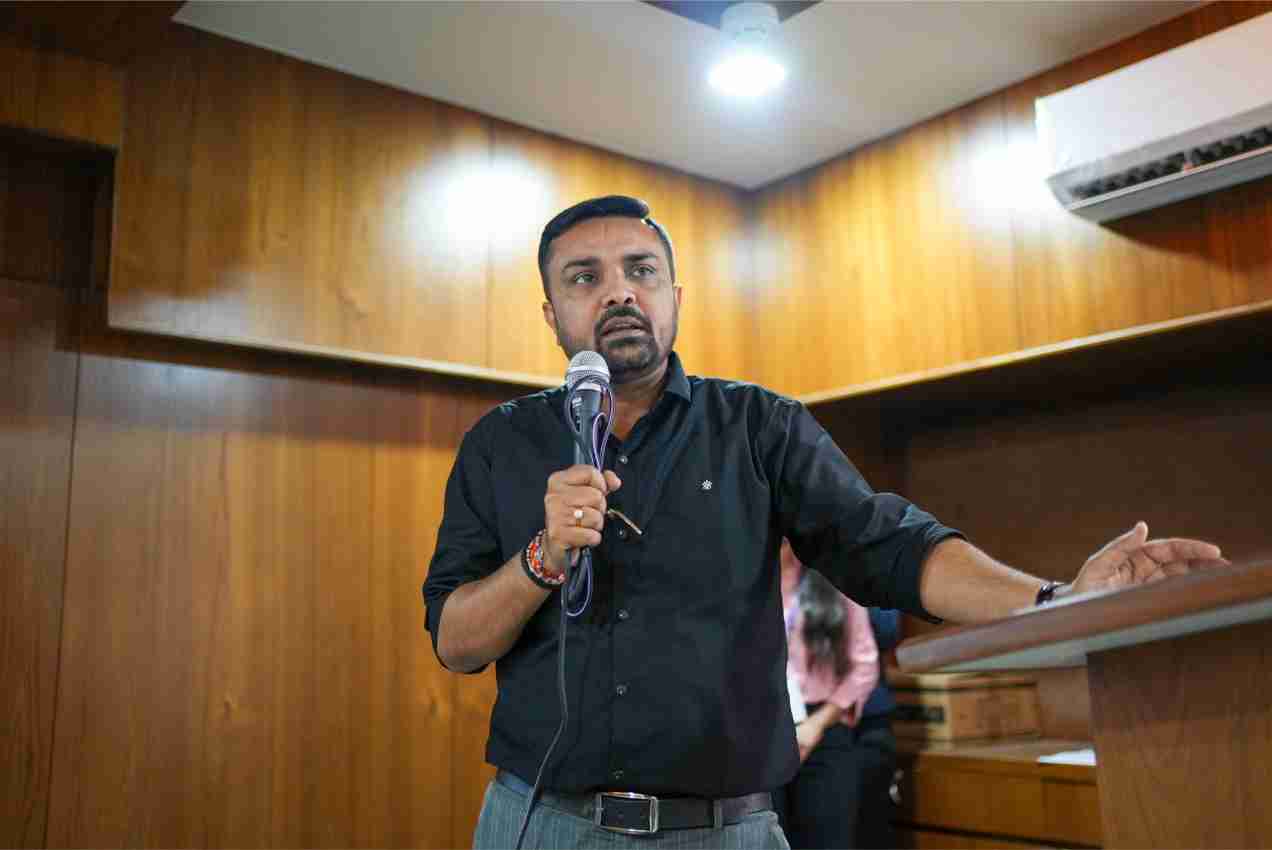
Mr. Mayur Raval
Chief Business Officer

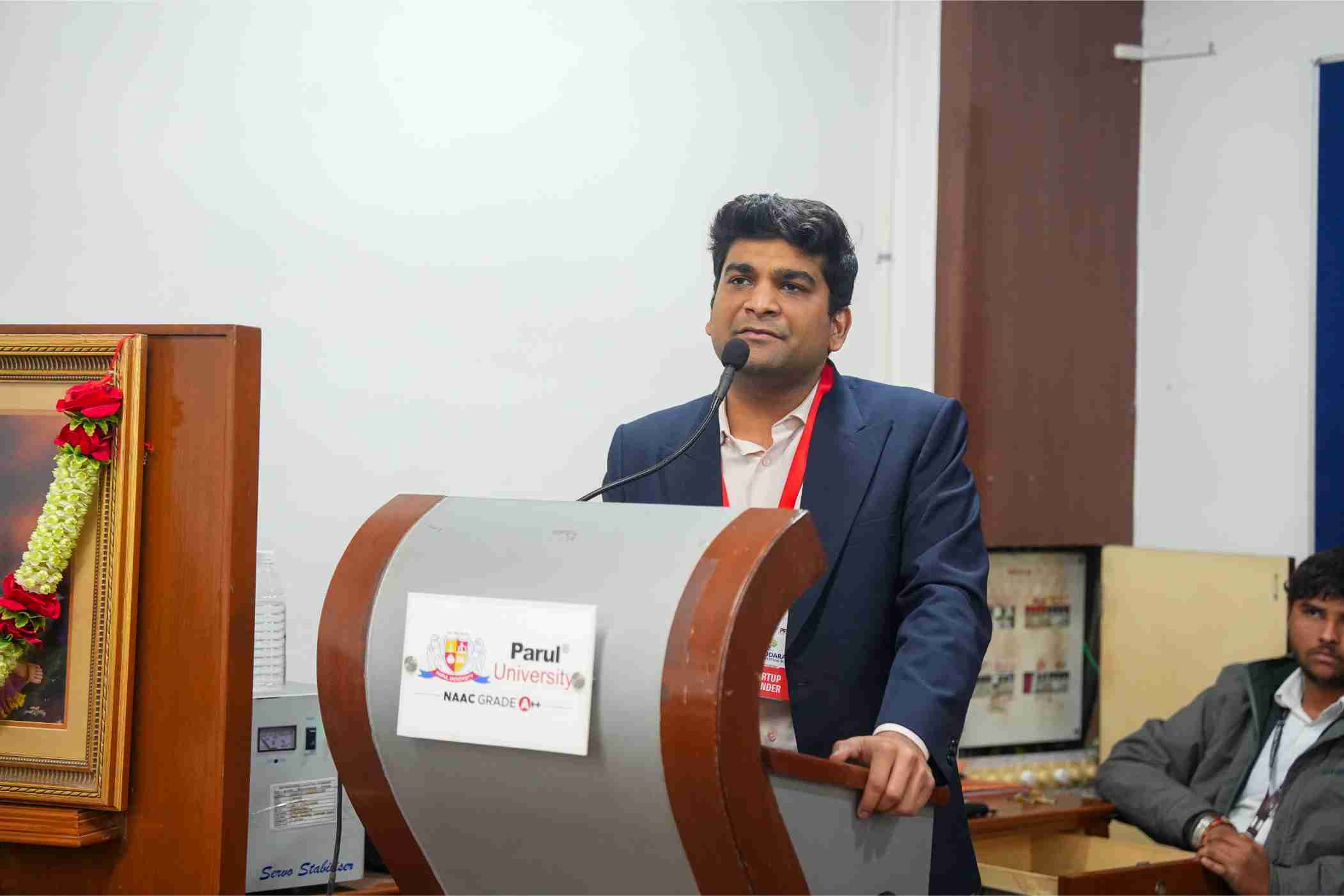
Anurag Sundarka
Founder

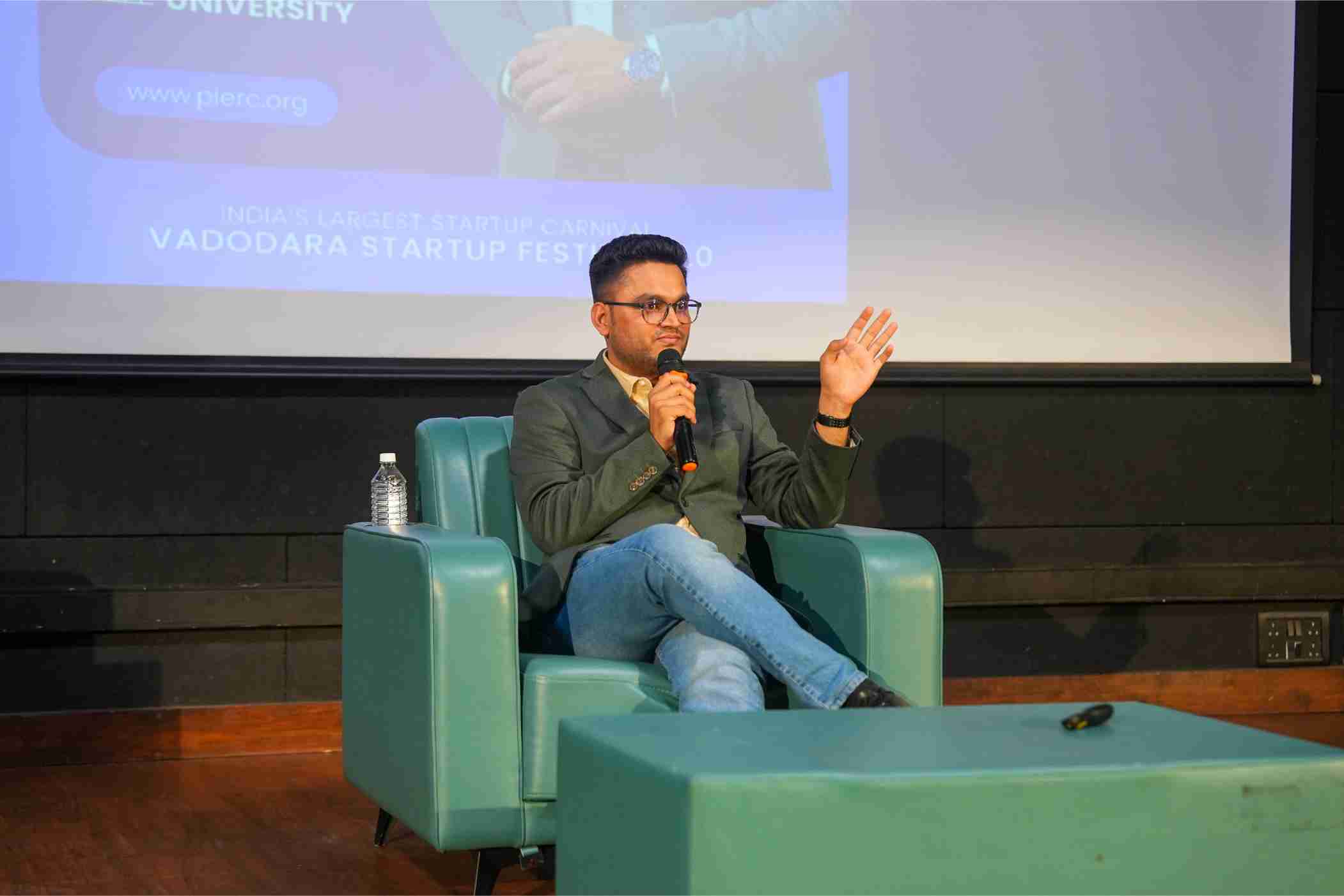
Mr. Raj Hadvani
Whole-time Director
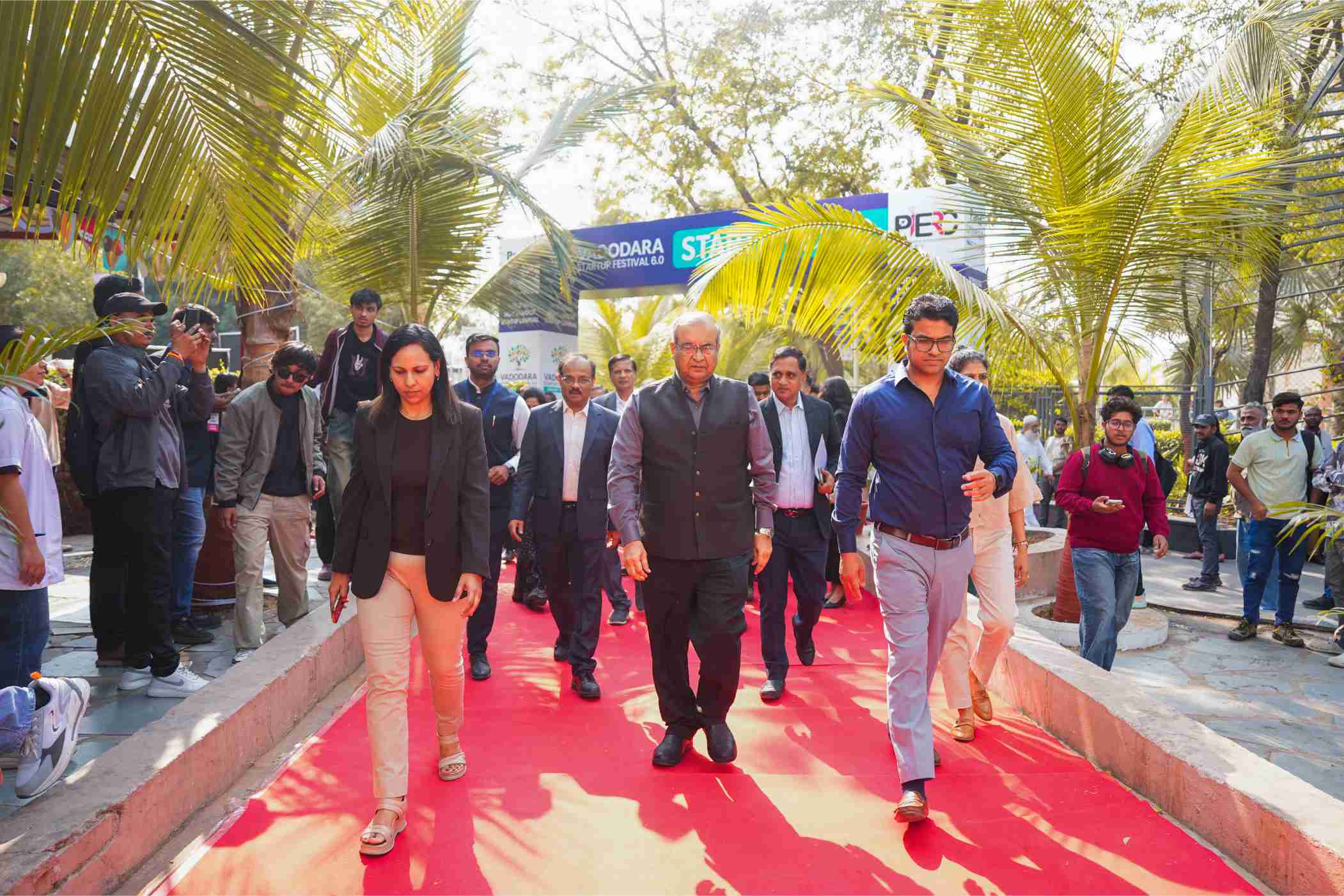
Shri Bipin Talati
IAS, Commissioner of Technical Education

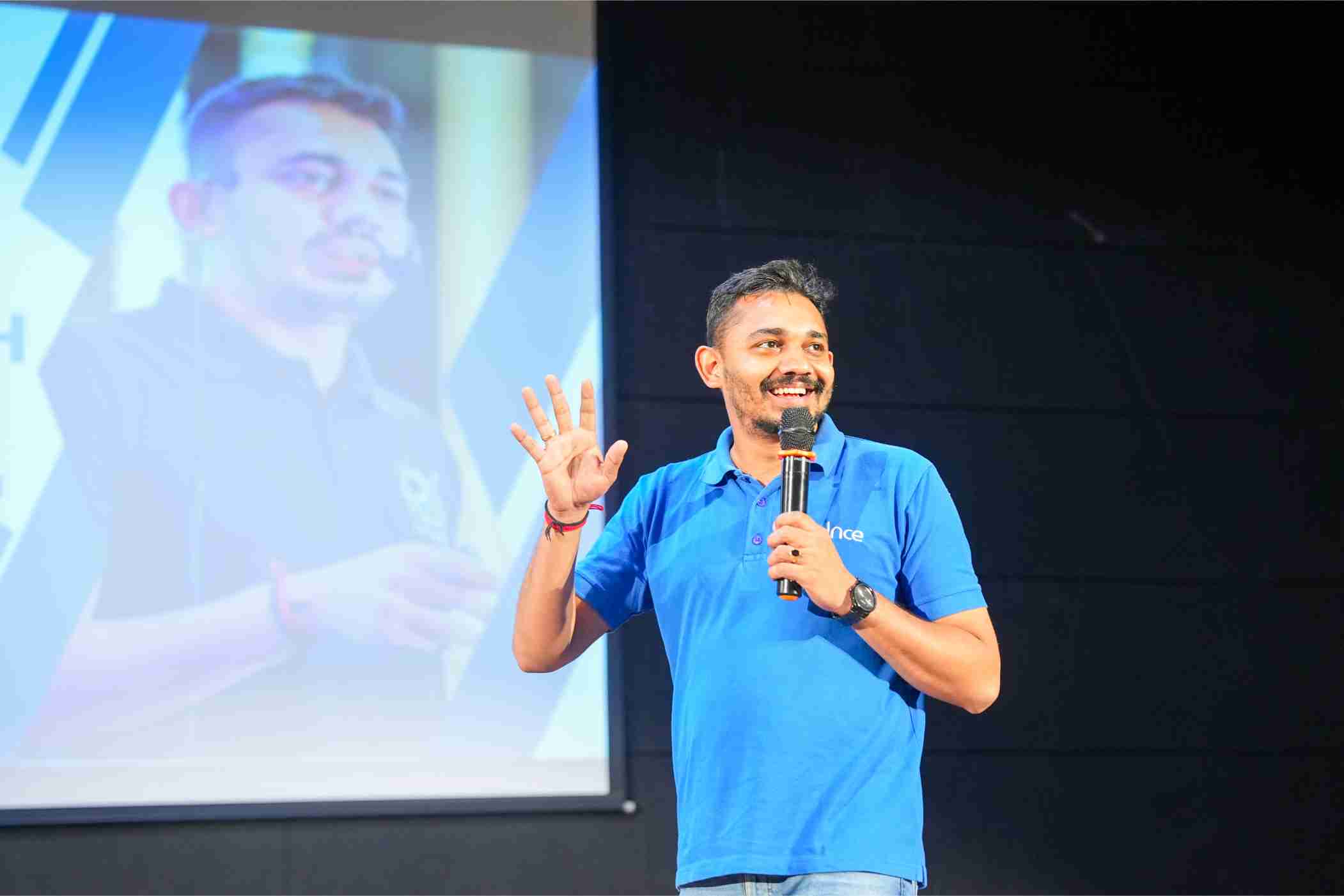
Yash Tarwadi
Founder and CEO

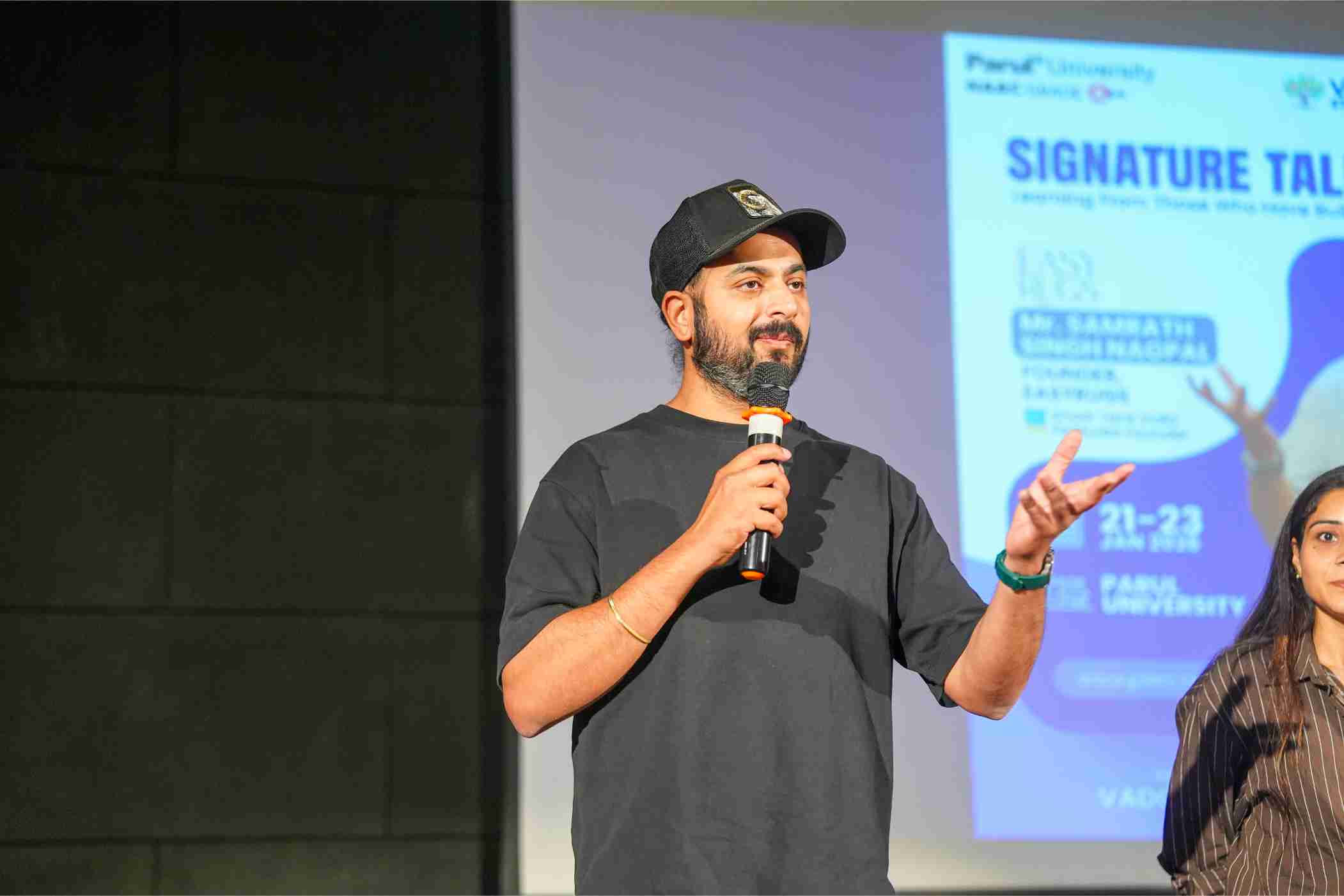
Samrath Singh Nagpal
Co-founder

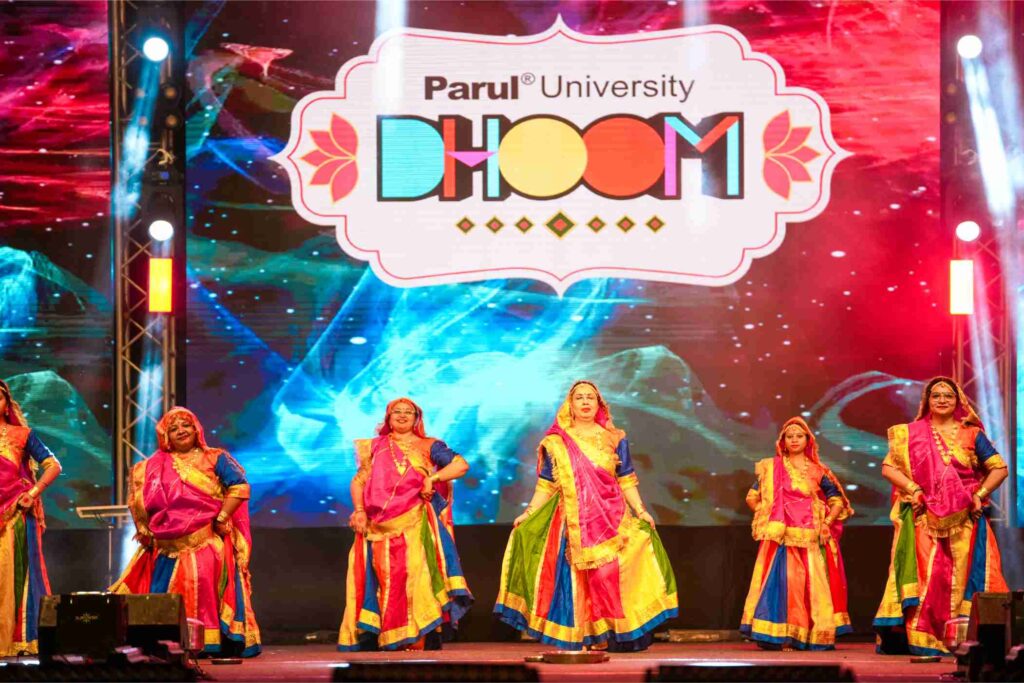

DHOOM
PU's grand annual youth festival electrifying performances, competitions, celebrity appearances and cultural showcases that define the year.



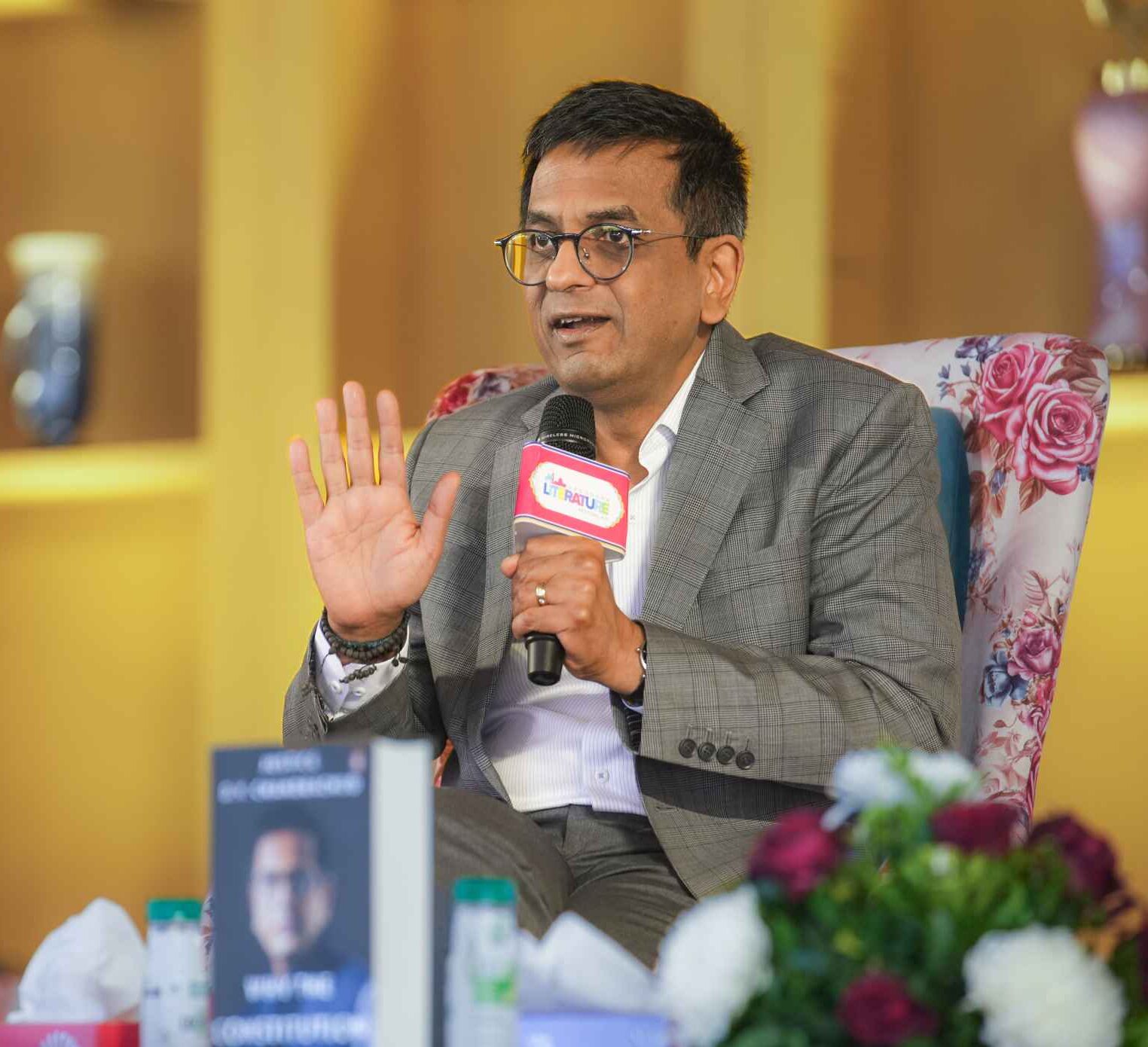
Justice D.Y. Chandrachud
50th Chief Justice of India
1000+
Participants
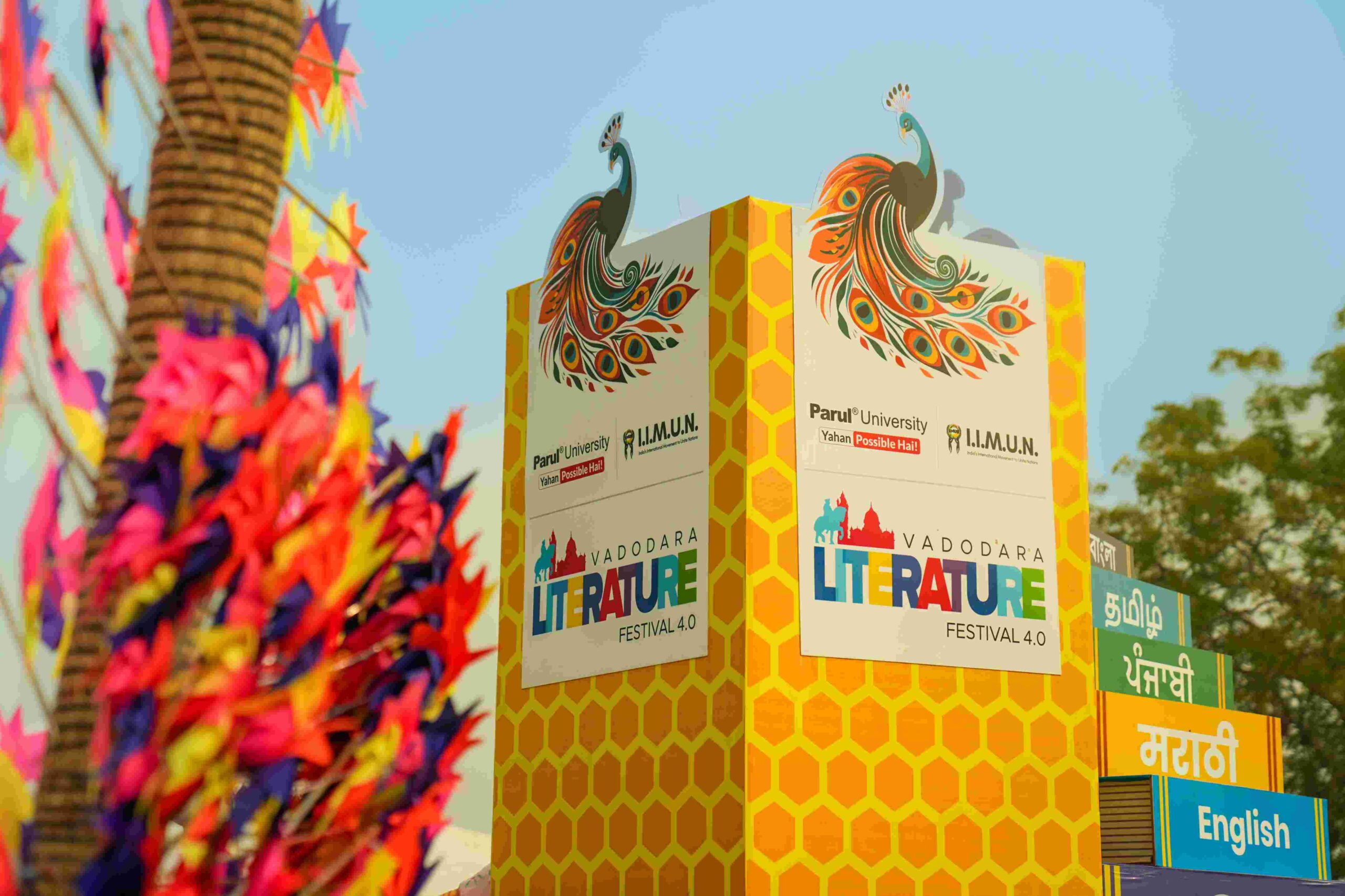
Vadodara Literature Festival
The VLF is a literary and intellectual gathering designed to foster a reading culture and encourage dialogue among the youth. Brings together 50+ authors, journalists, legislators, and artists to discuss diverse themes ranging from fiction, history, and gender studies to wellness, economics, and public policy.
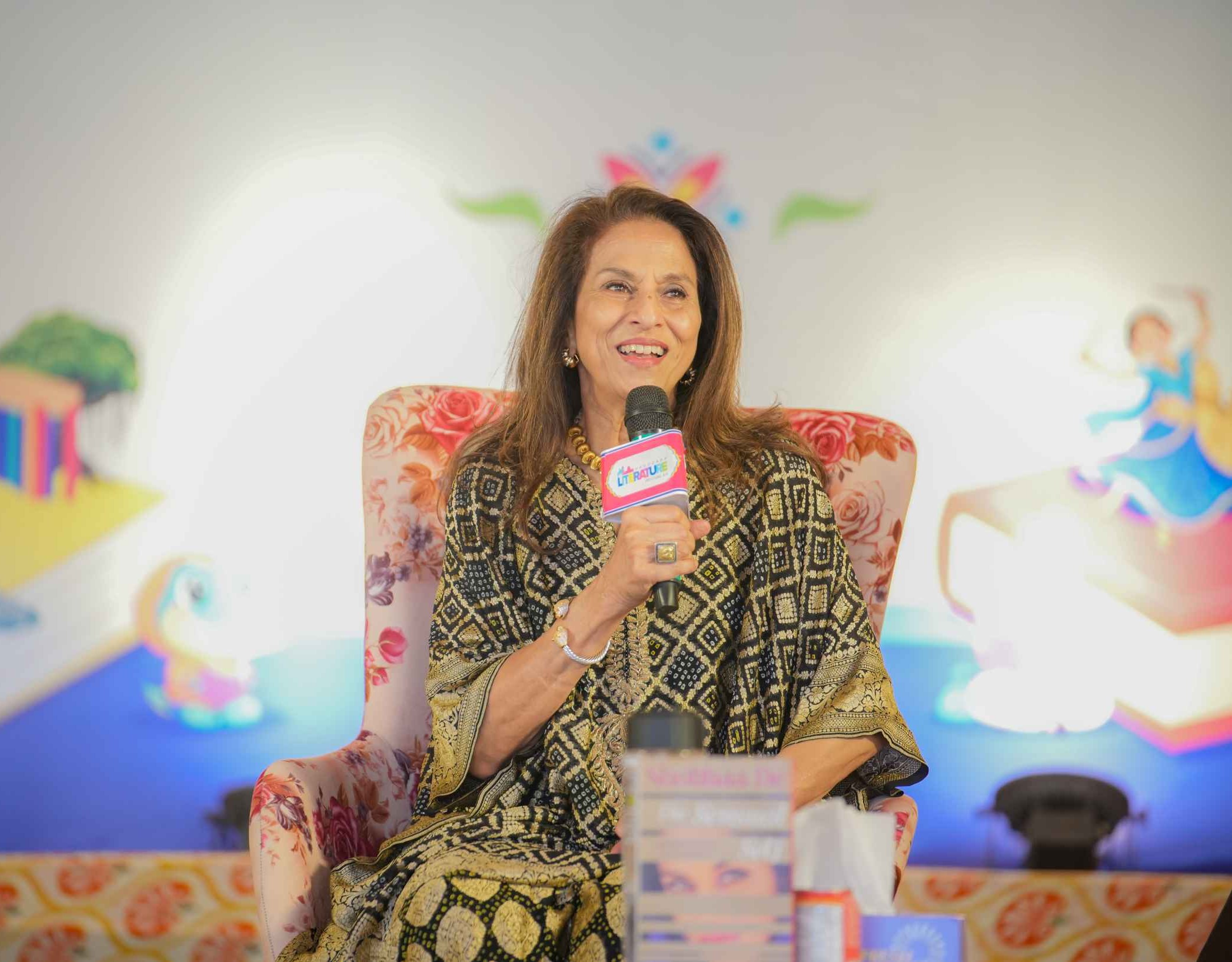
Shobhaa De
Renowned author and columnist
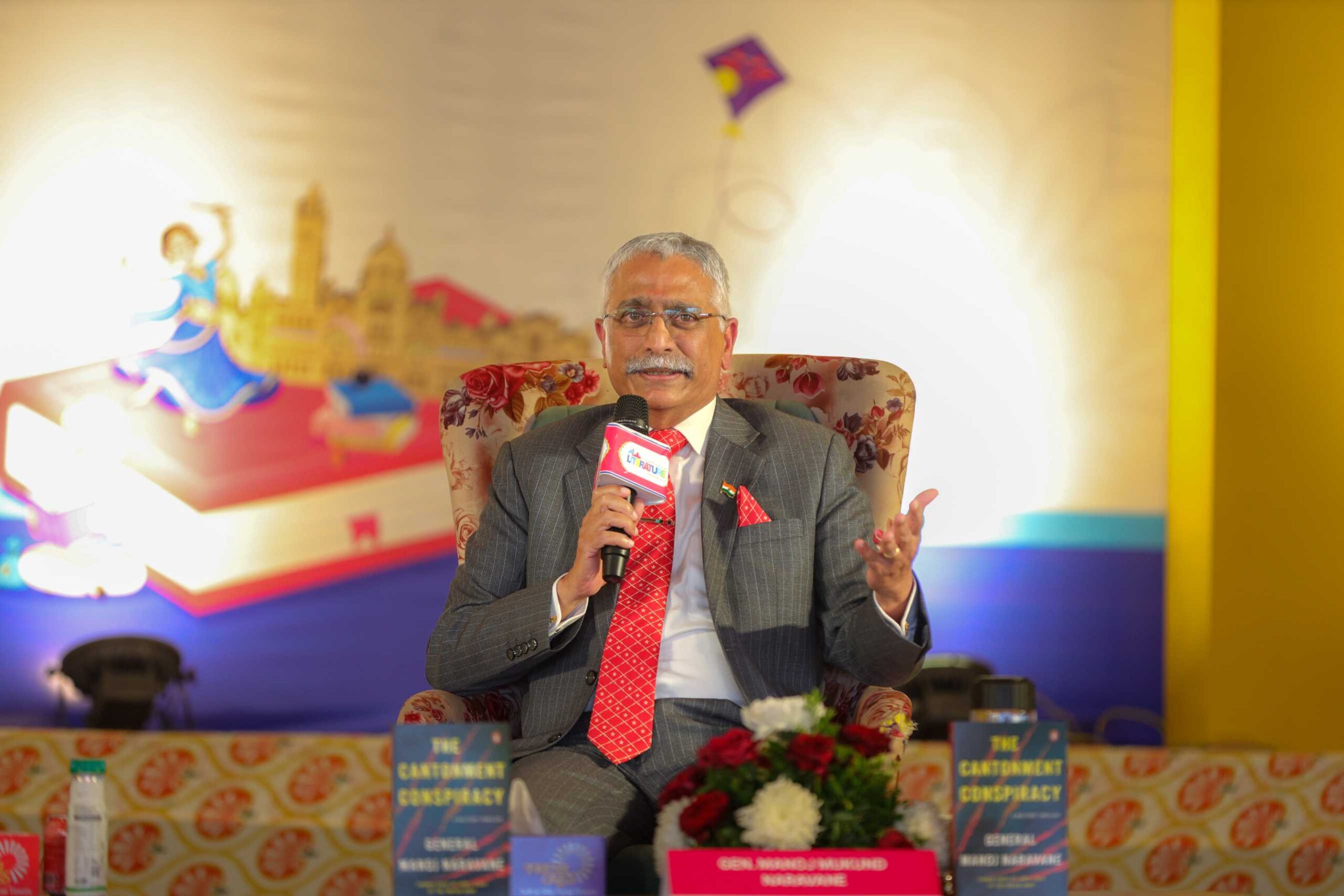
General Manoj Mukund Naravane
28th Chief of the Army Staff
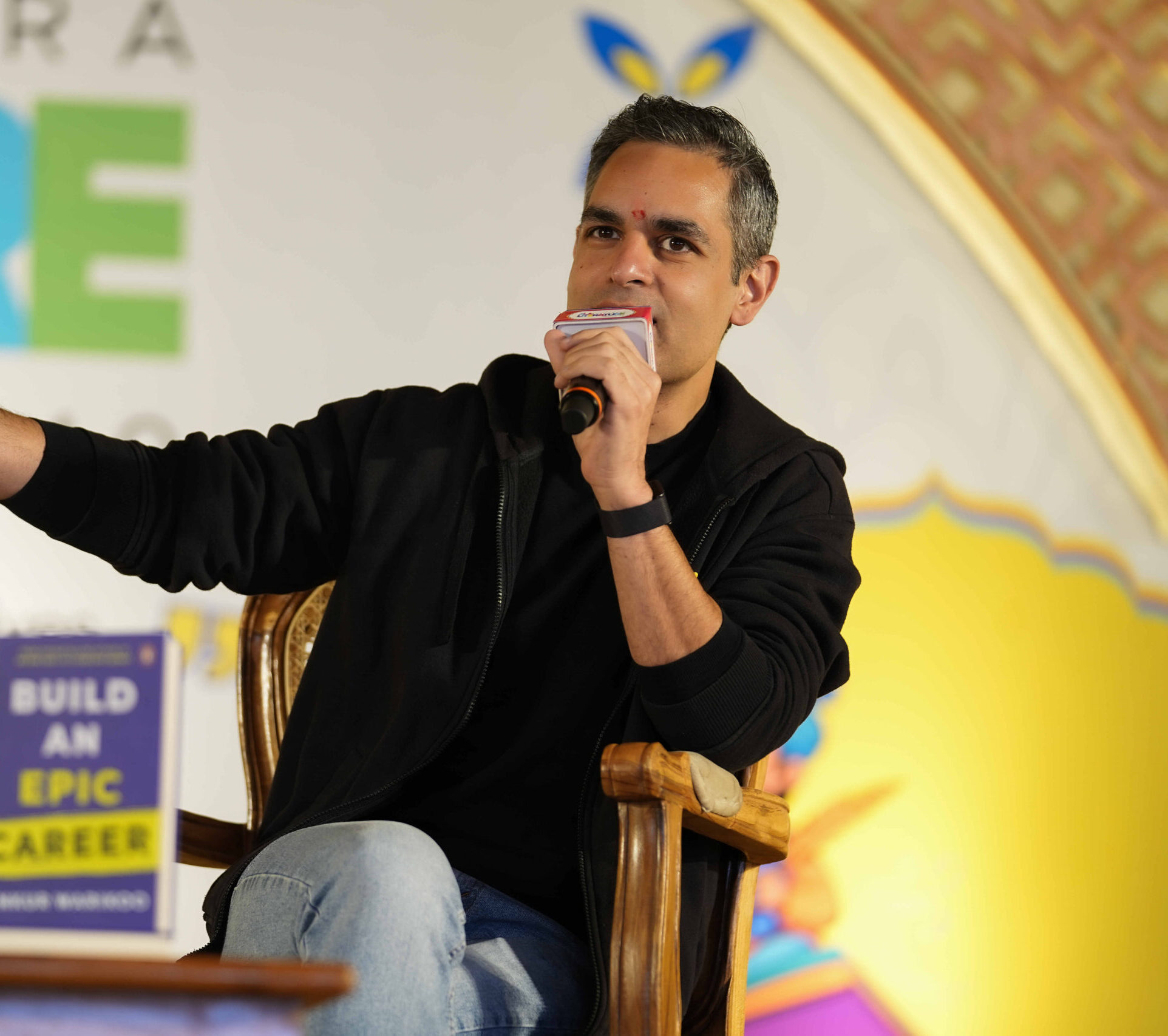
Ankur Warikoo
Serial entrepreneur, bestselling author, public speaker and a content creator
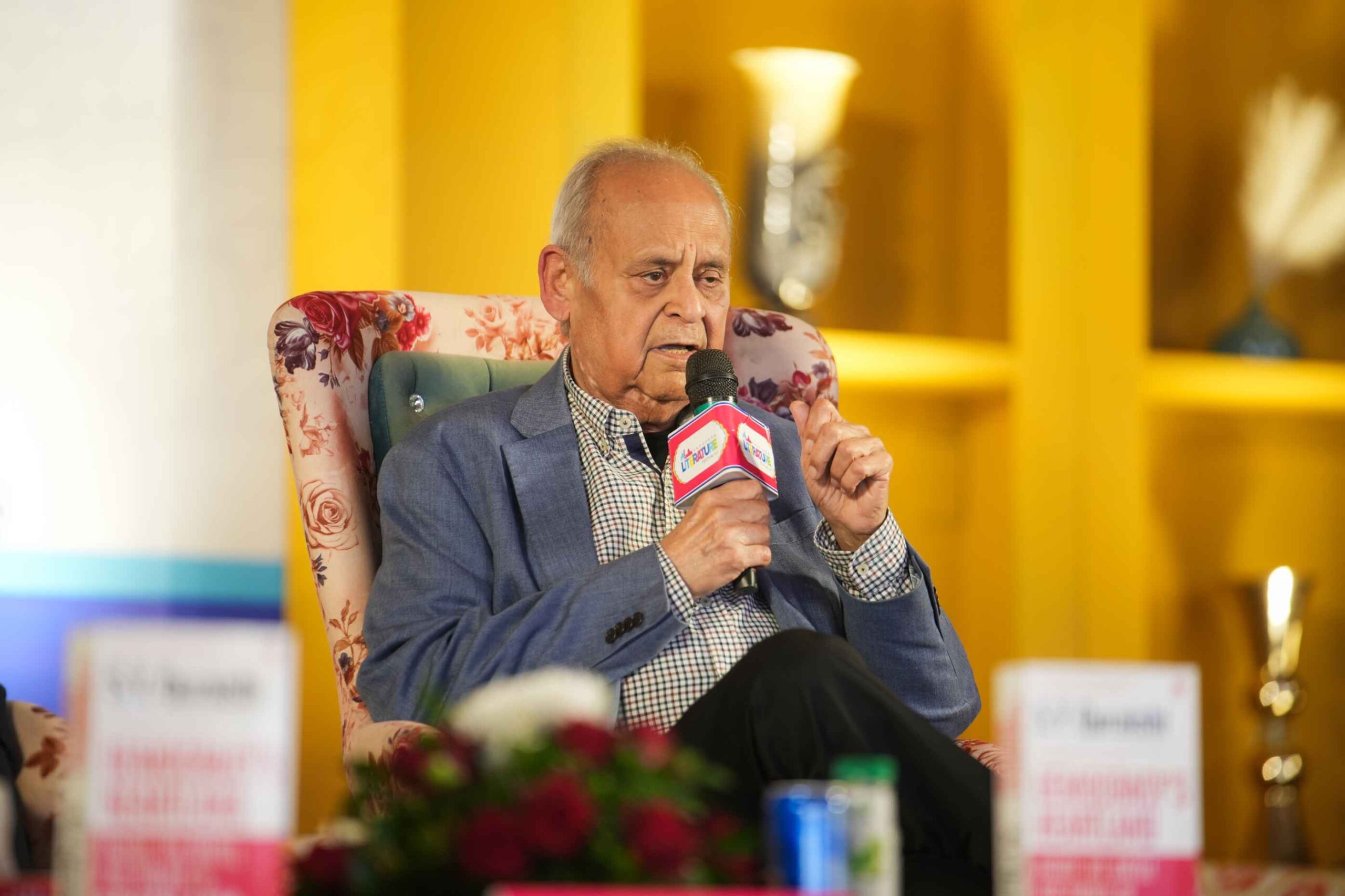
Vikram Sood
Former Director of R.A.W.
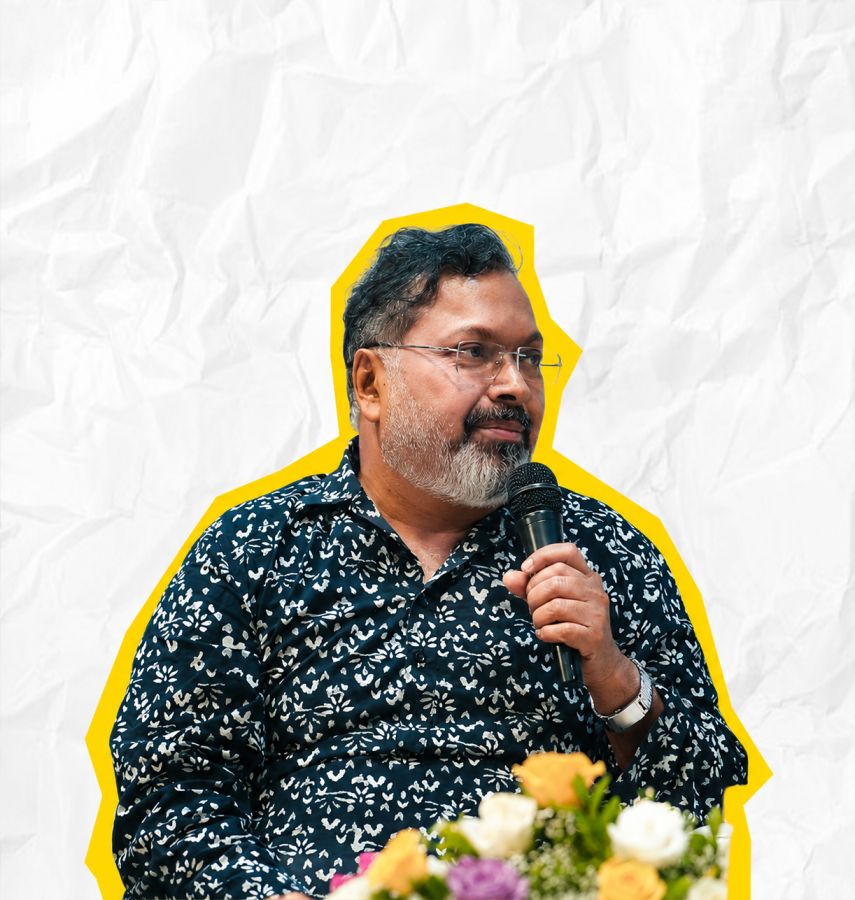
Devdutt Pattanaik
Mythologist and author
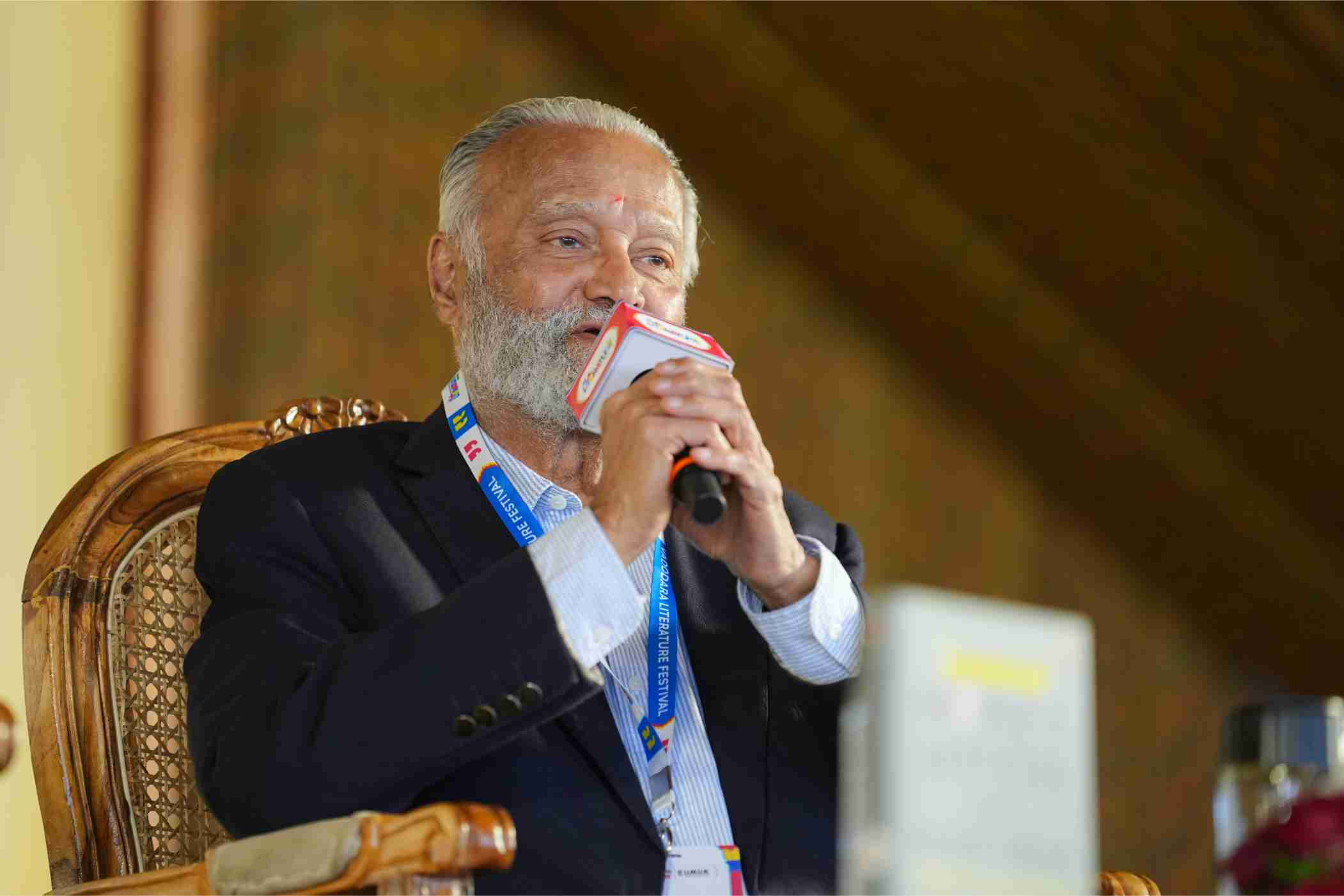
Kanwal Rekhi
A legendary Silicon Valley entrepreneur, venture capitalist, and philanthropist
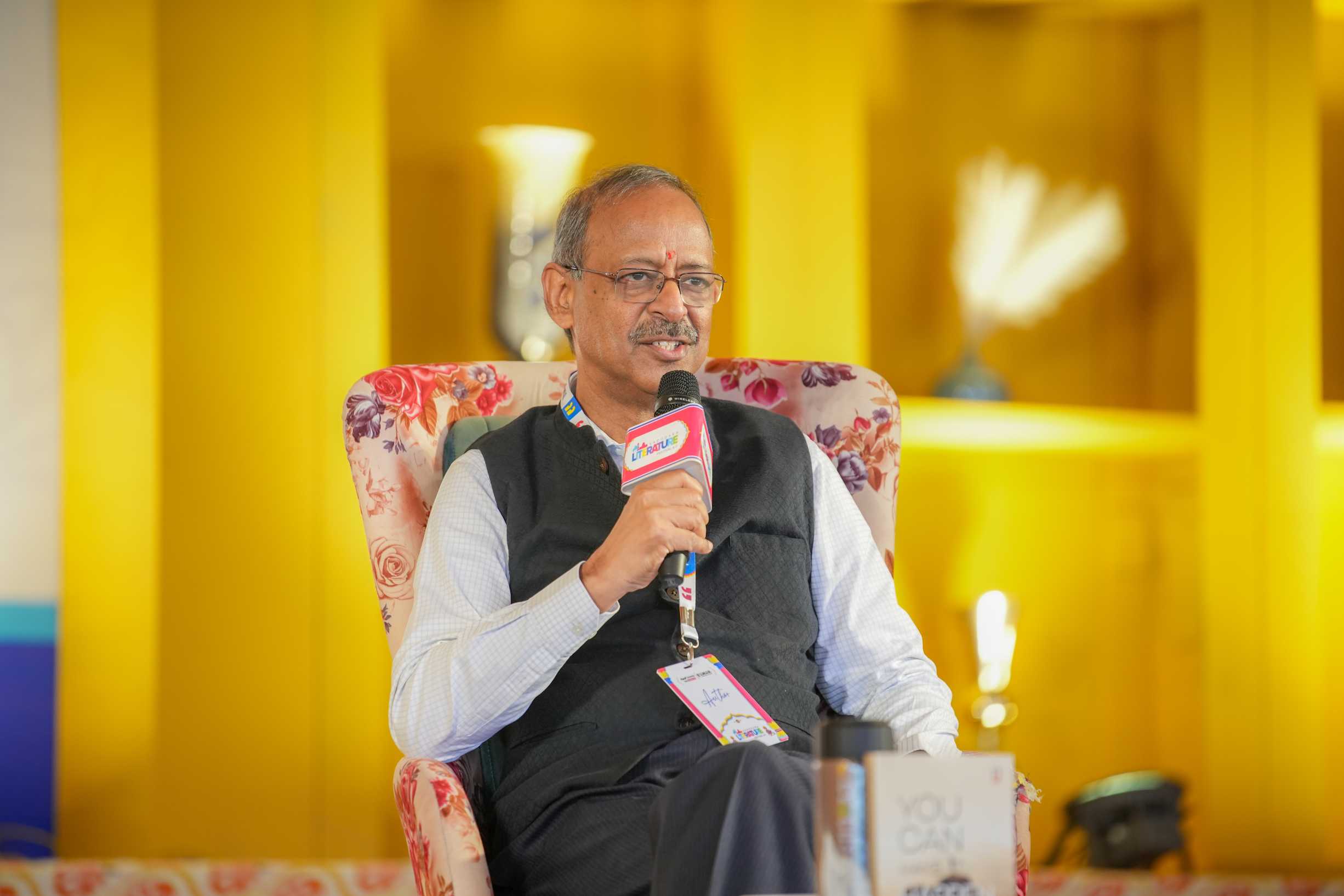
Anil Swarup
Former IAS officer and author
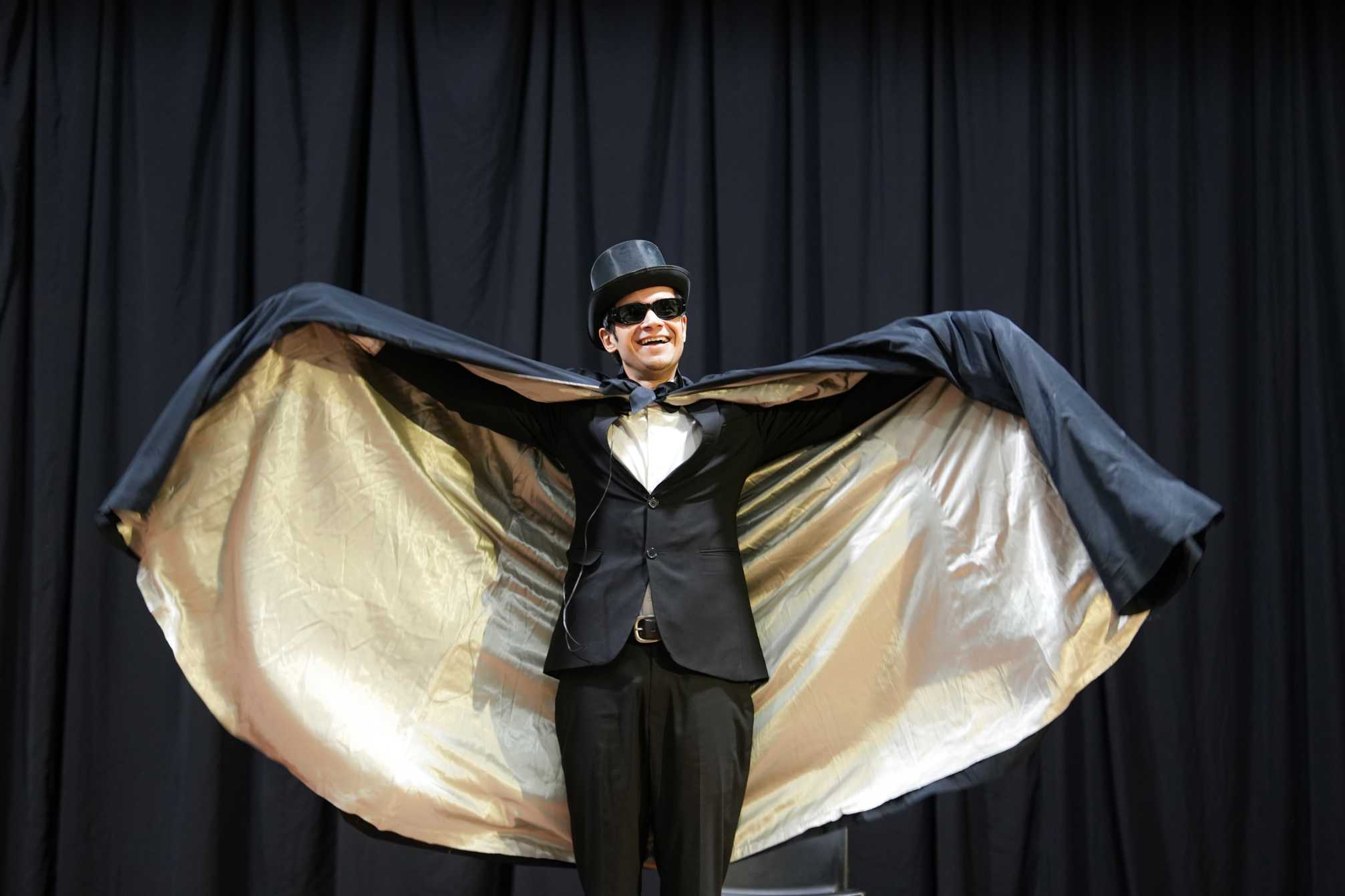
Vivaan Shah
Indian actor and theater artist
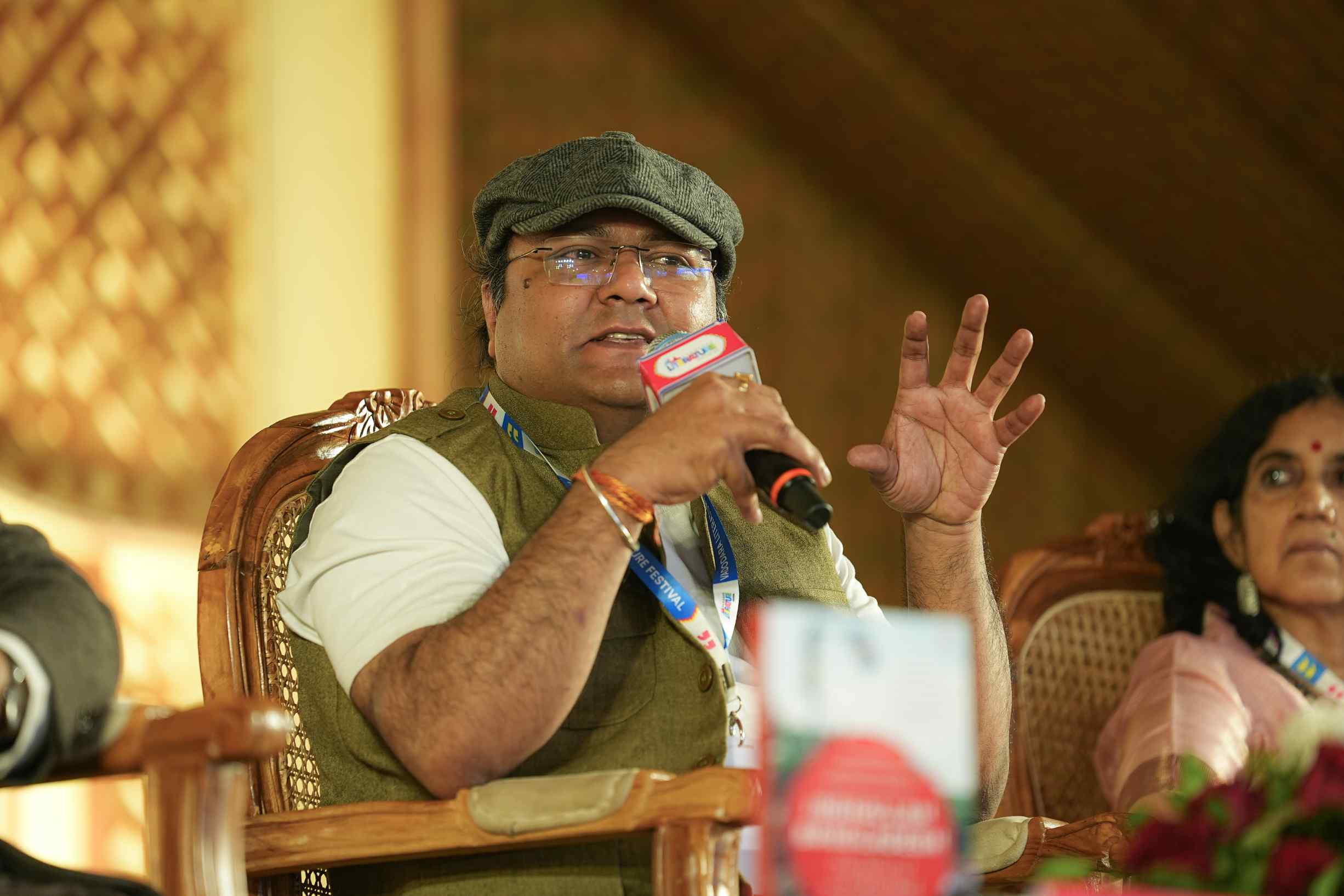
Geet Chaturvedi
Hindi poet
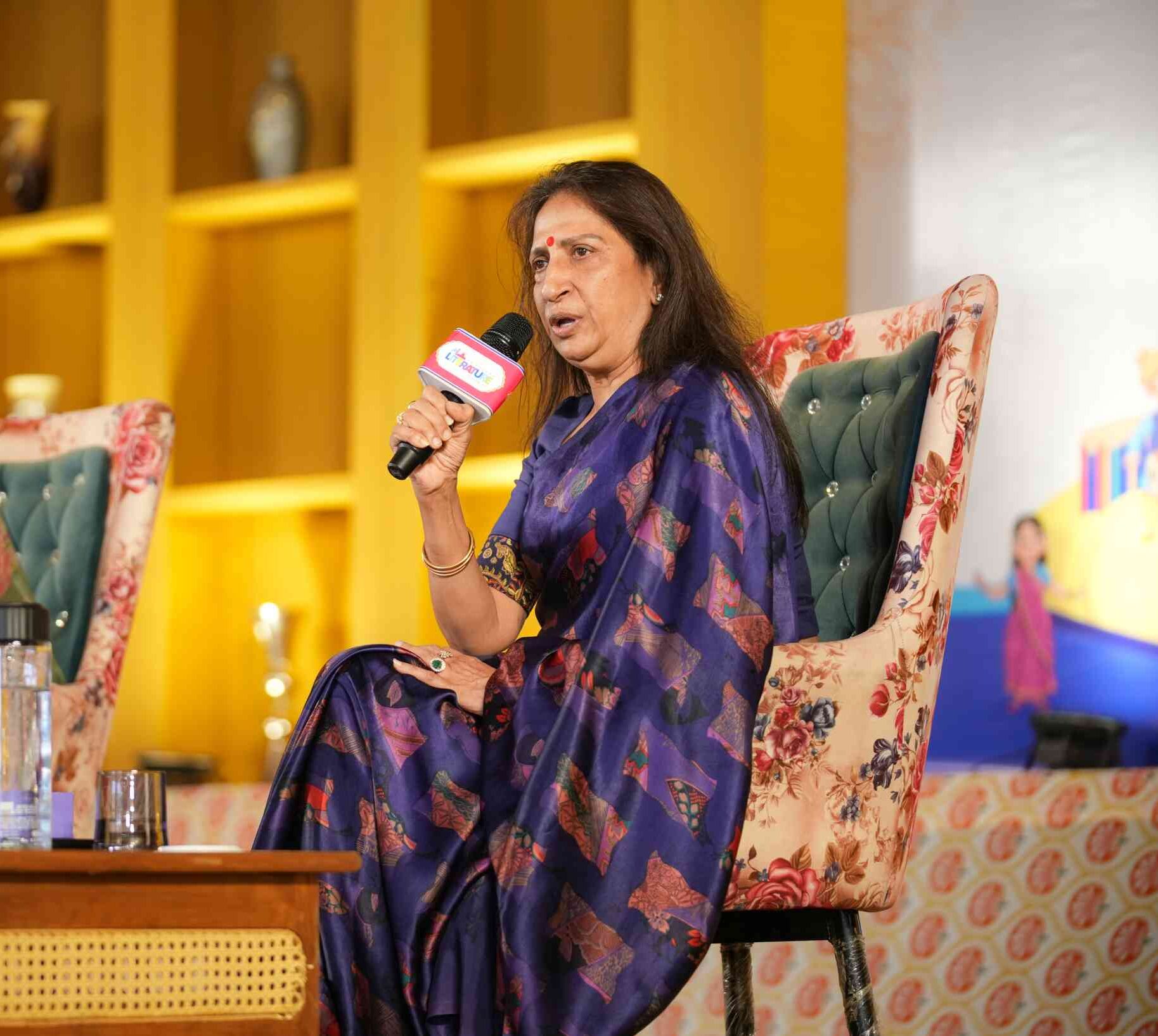
Kaajal Oza Vaidya
Gujarati author, screenwriter, journalist, and public speaker
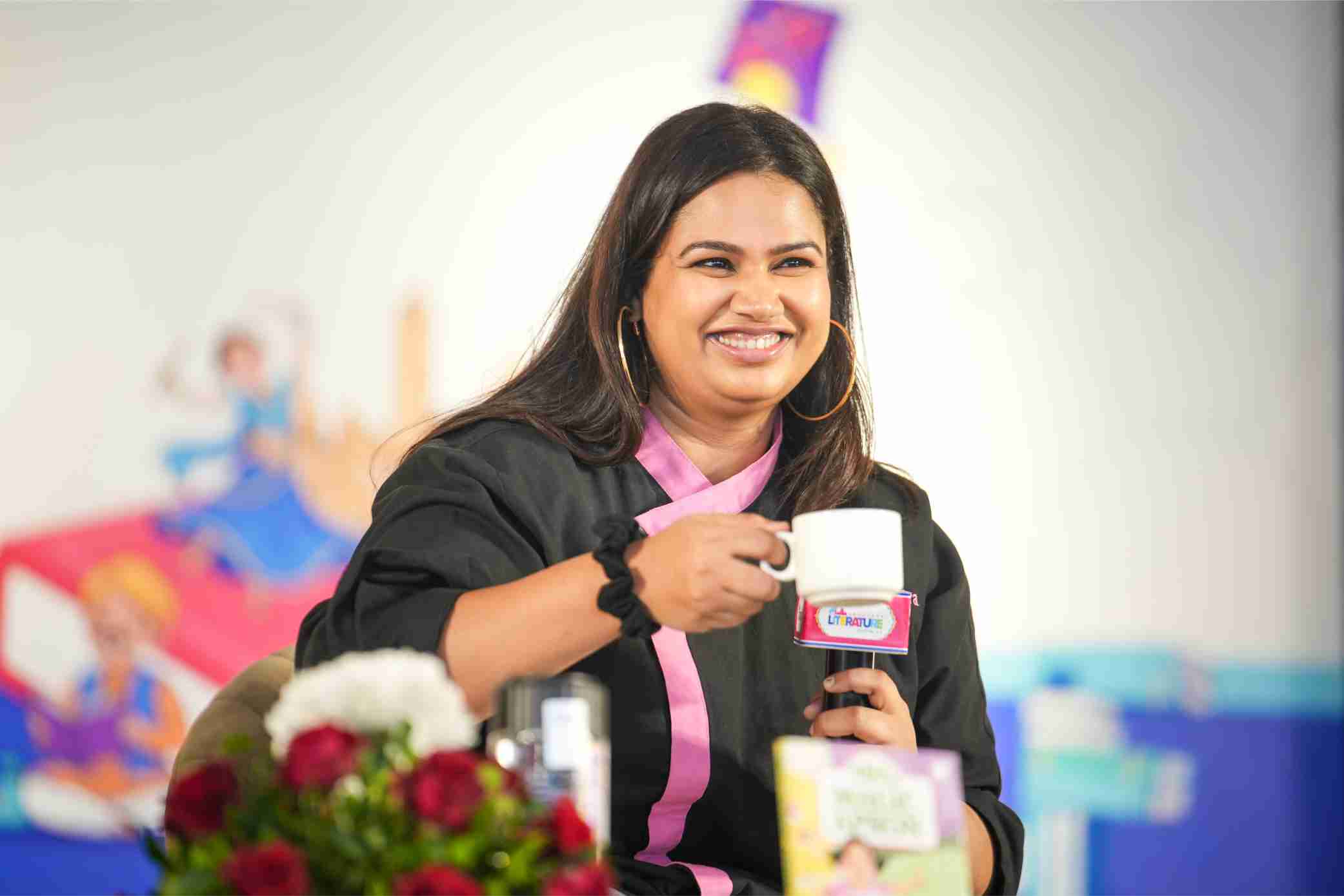
Pooja Dhingra
Indian pastry chef and businesswoman
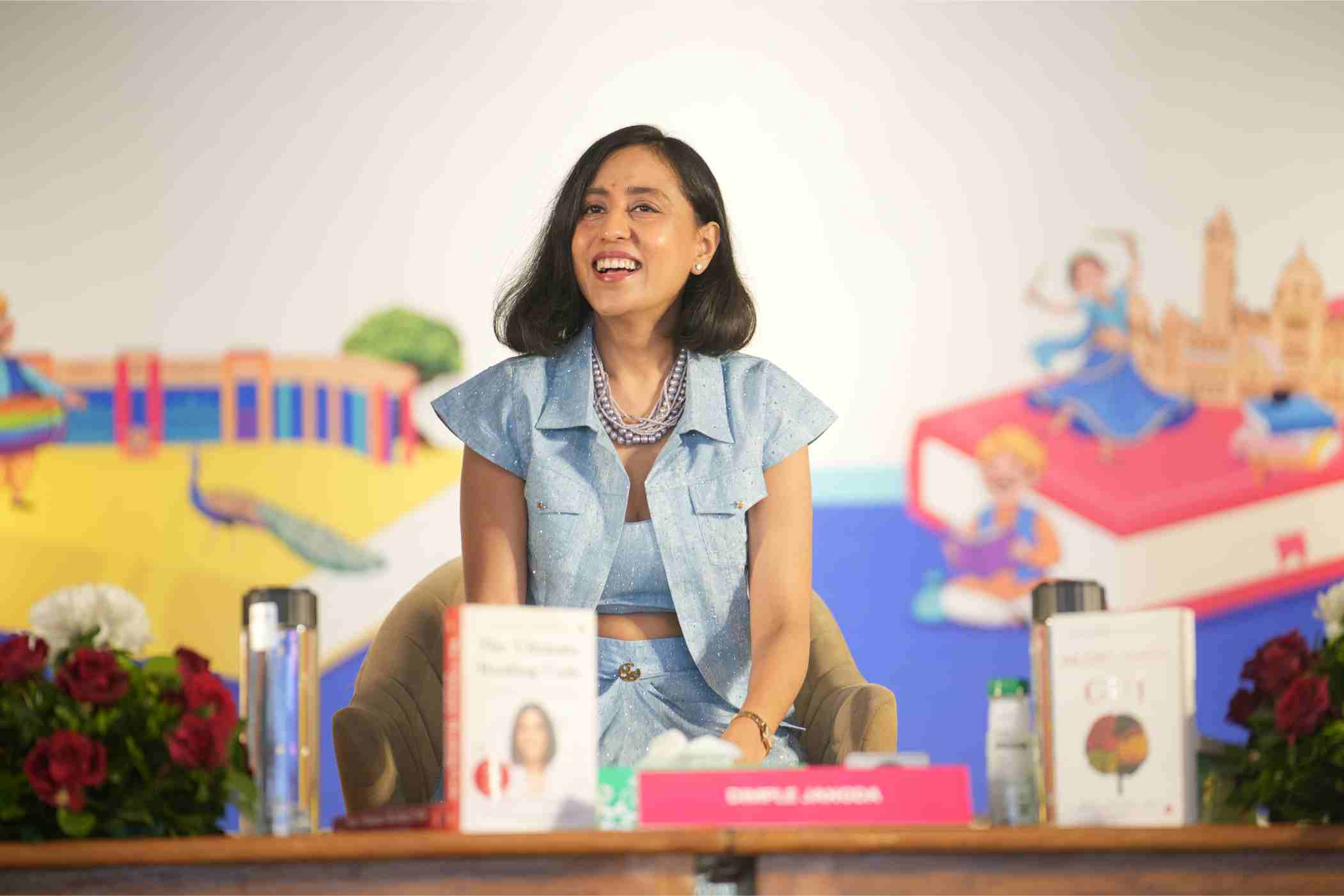
Dimple Jangda
Founder of Prana
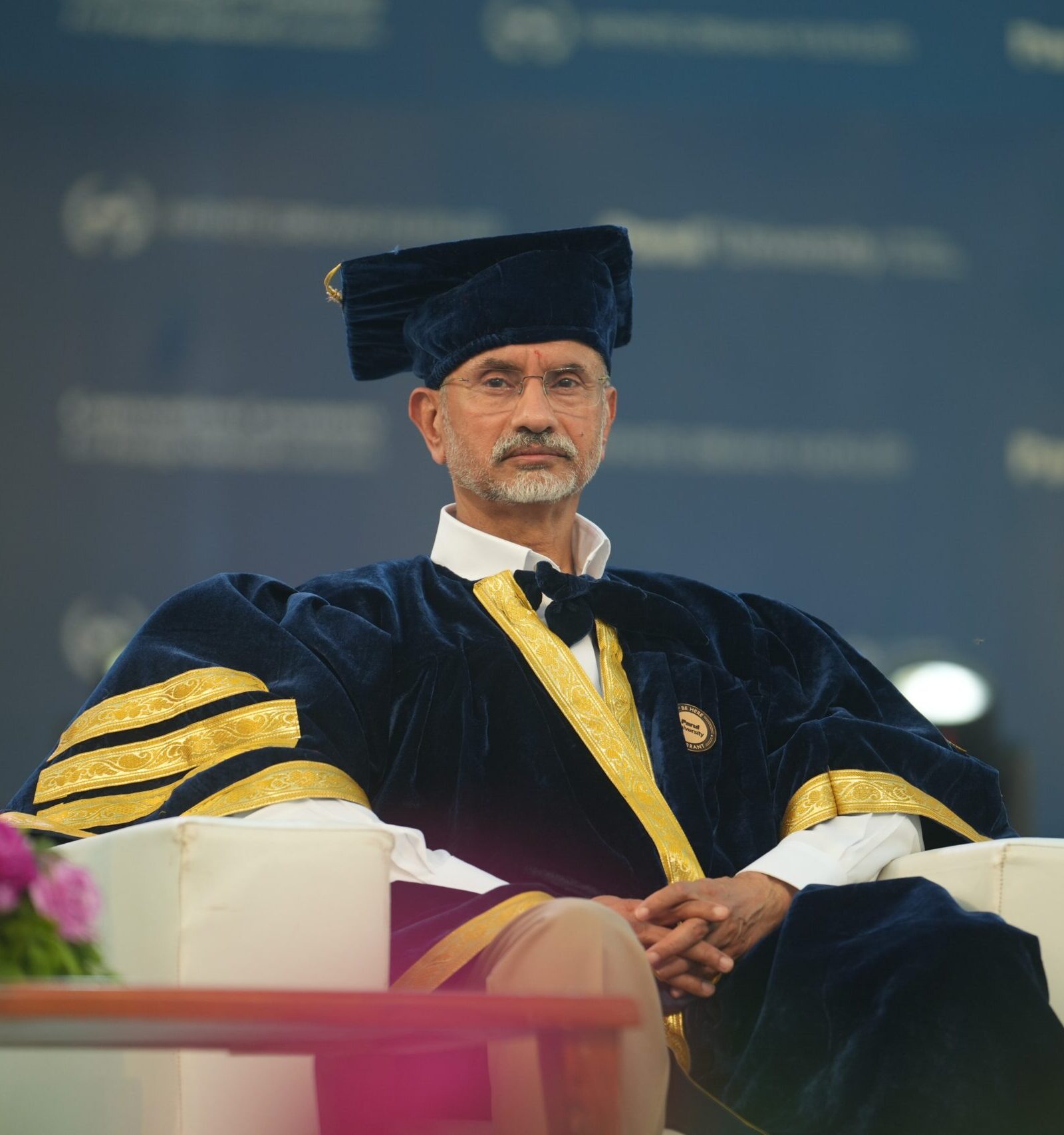
Dr. S. Jaishankar
Minister of External Affairs, Government of India
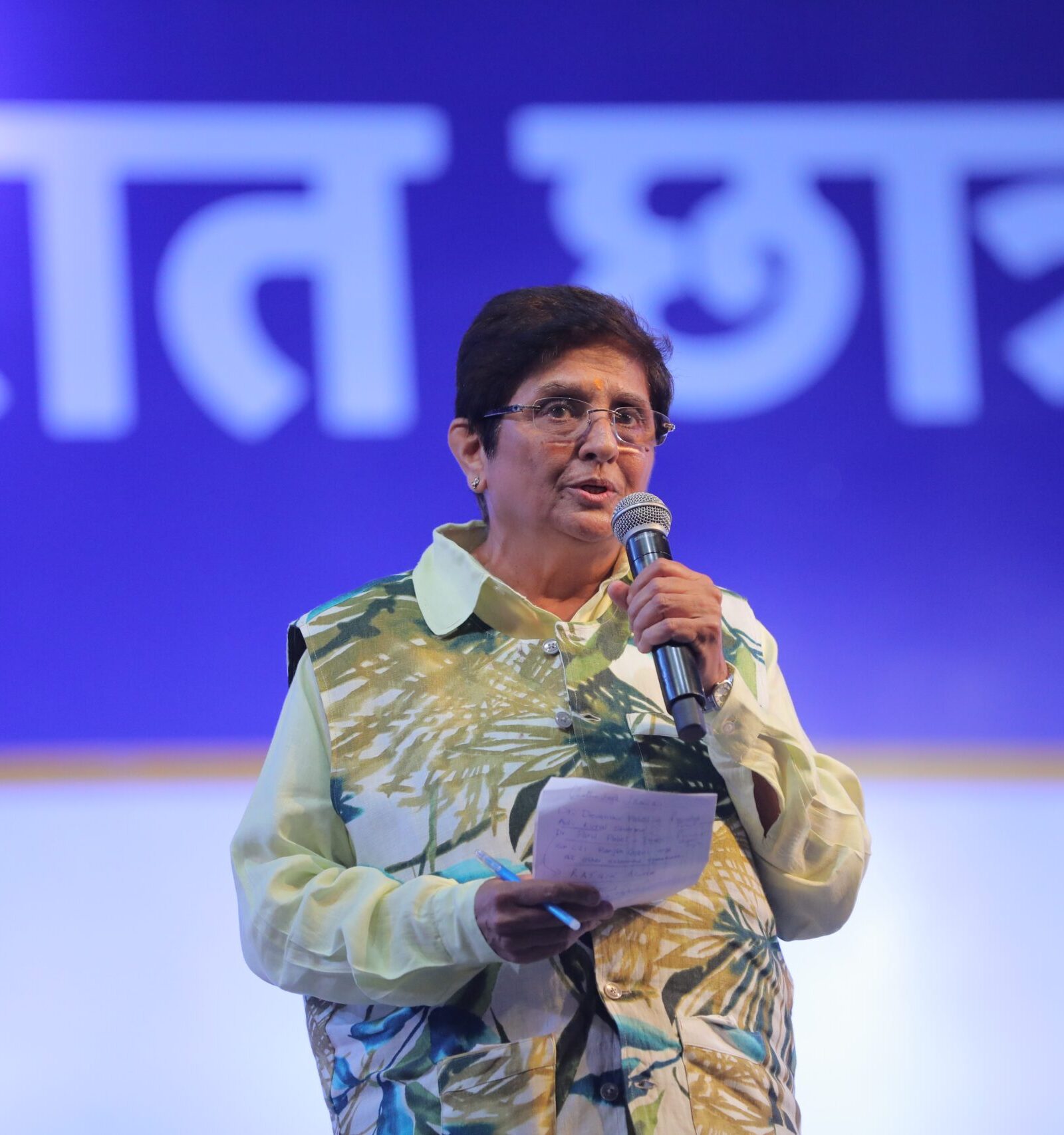
Kiran Bedi
First Indian Woman IPS Officer, Former Lt. Governor of Puducherry
PU Talks
PU Talks is an inspirational speaker series and academic event platform hosted by Parul University in Vadodara, Gujarat. It brings notable national figures, industry leaders, actors, change-makers, and visionaries to campus to share their life experiences and interact directly with students.
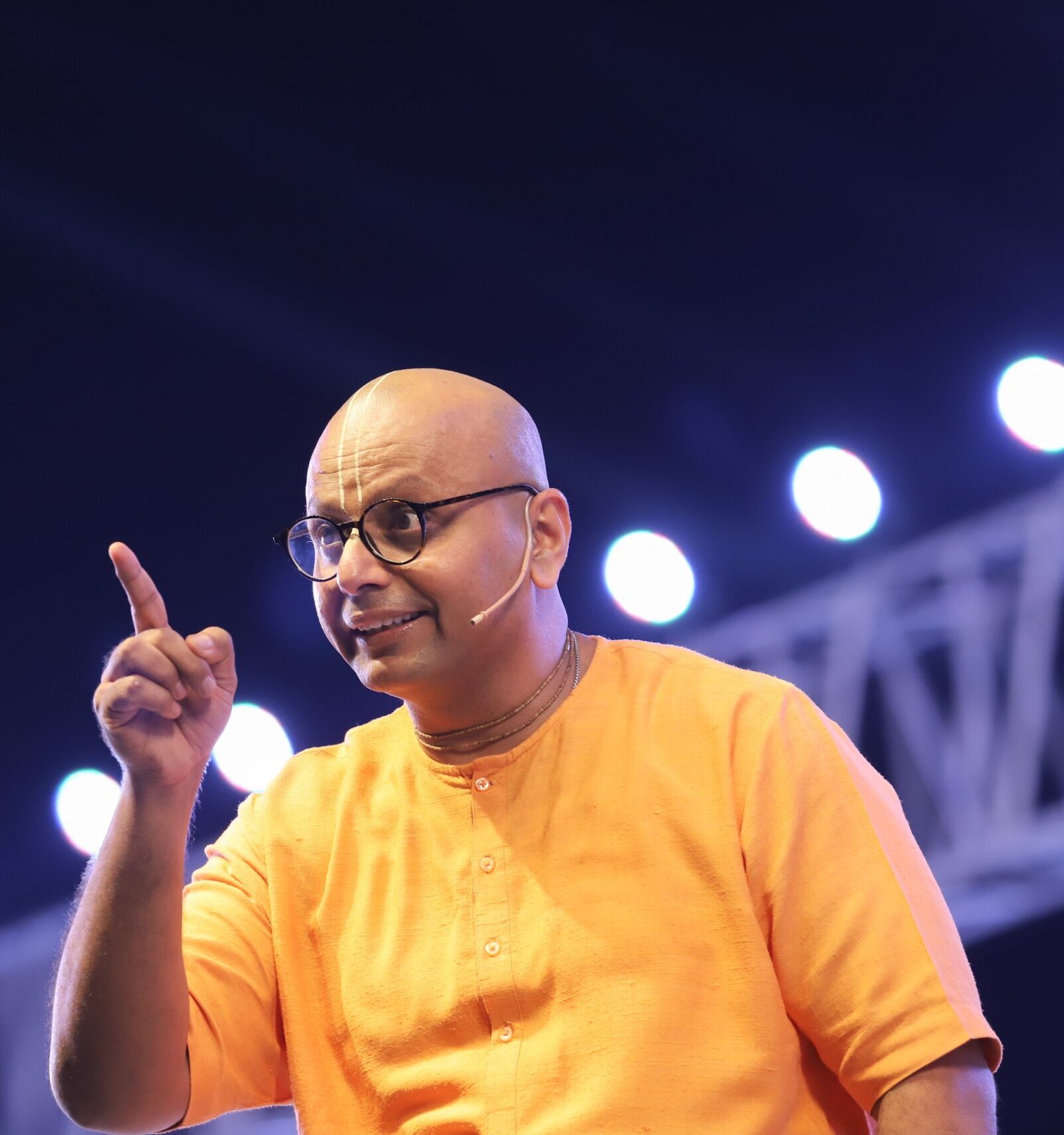
Gaur Gopal Das
Monk, Lifestyle Coach and Author
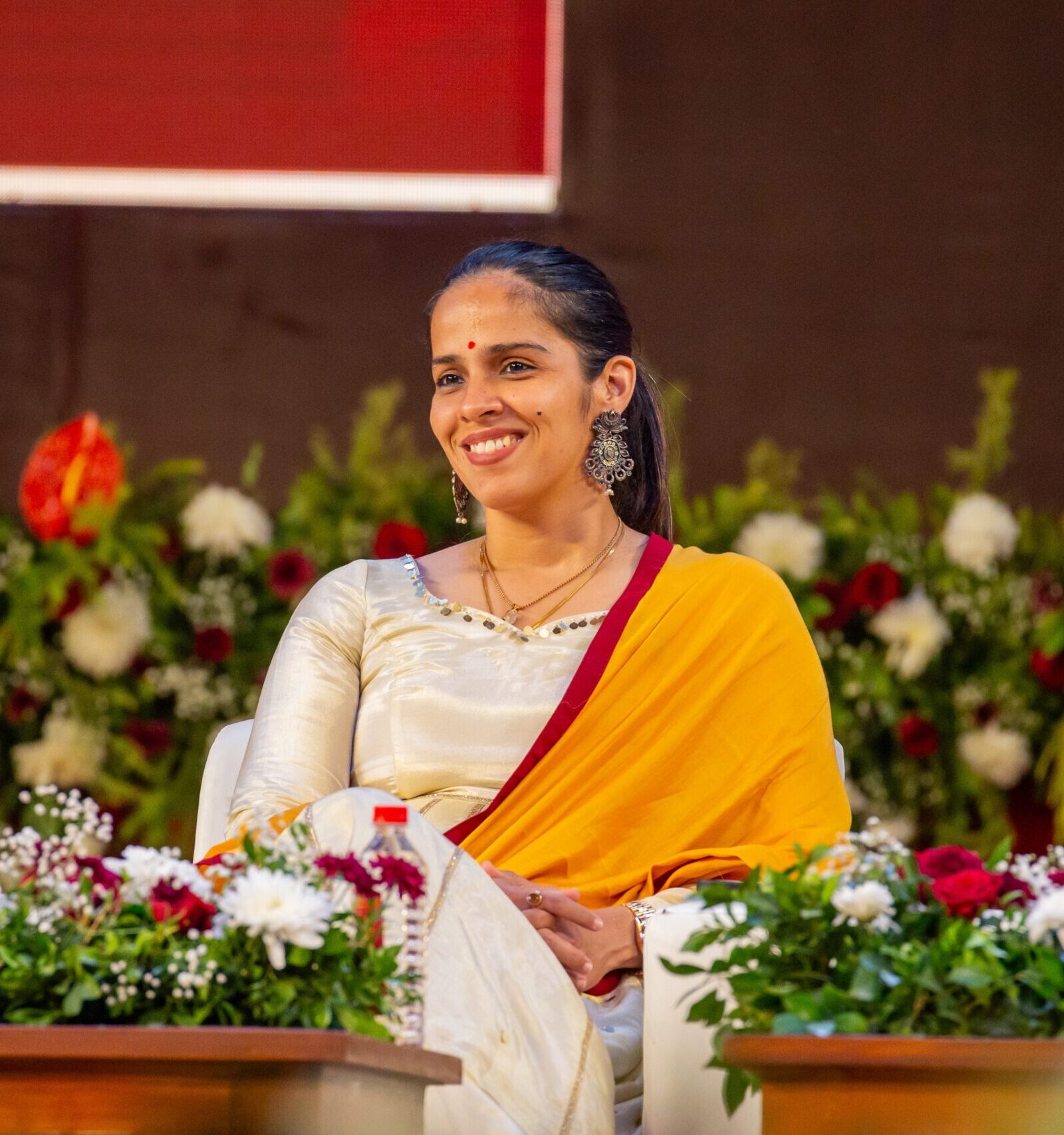
Saina Nehwal
Indian Badminton Player
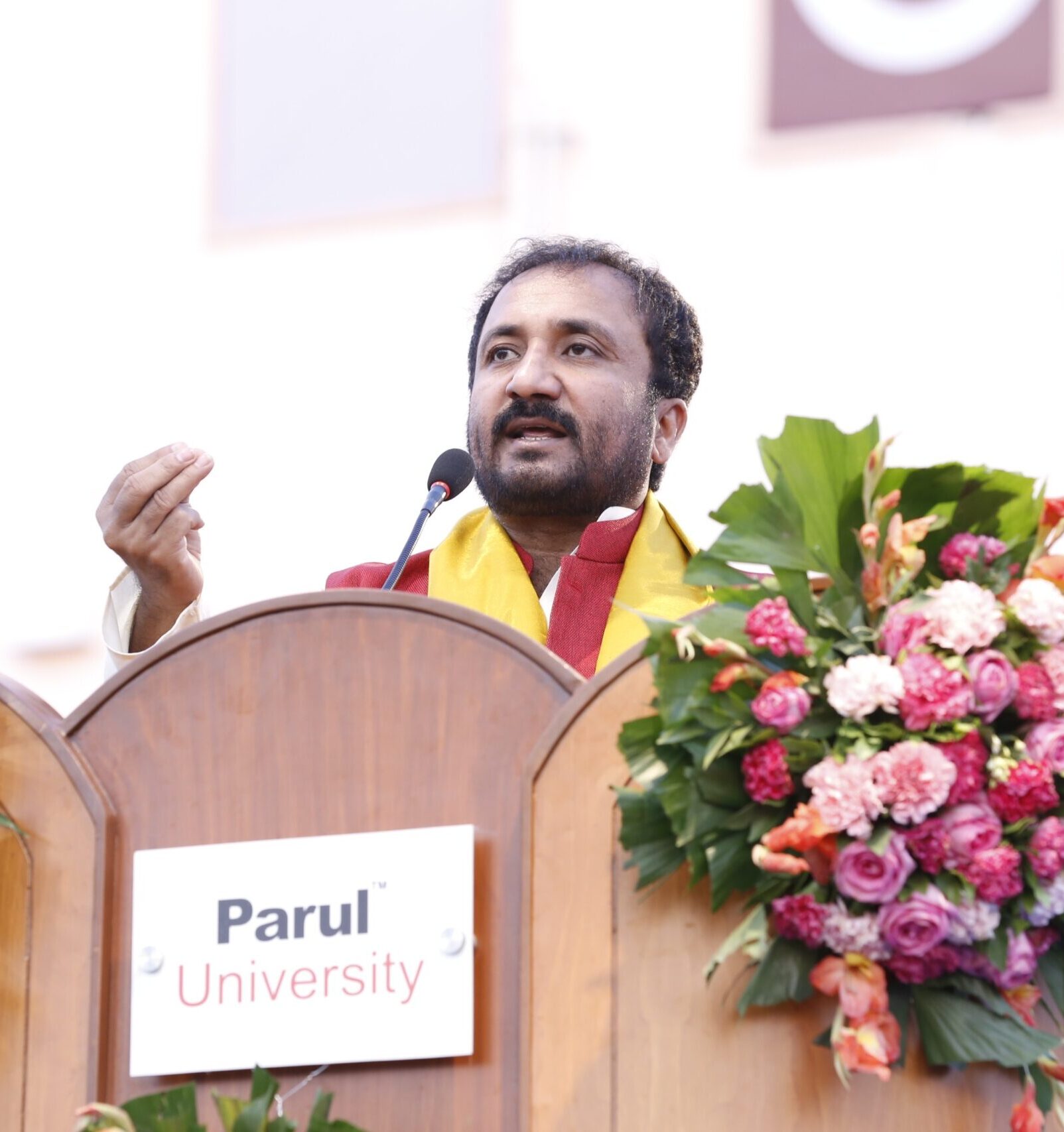
Shri Anand Kumar
Founder Super 30
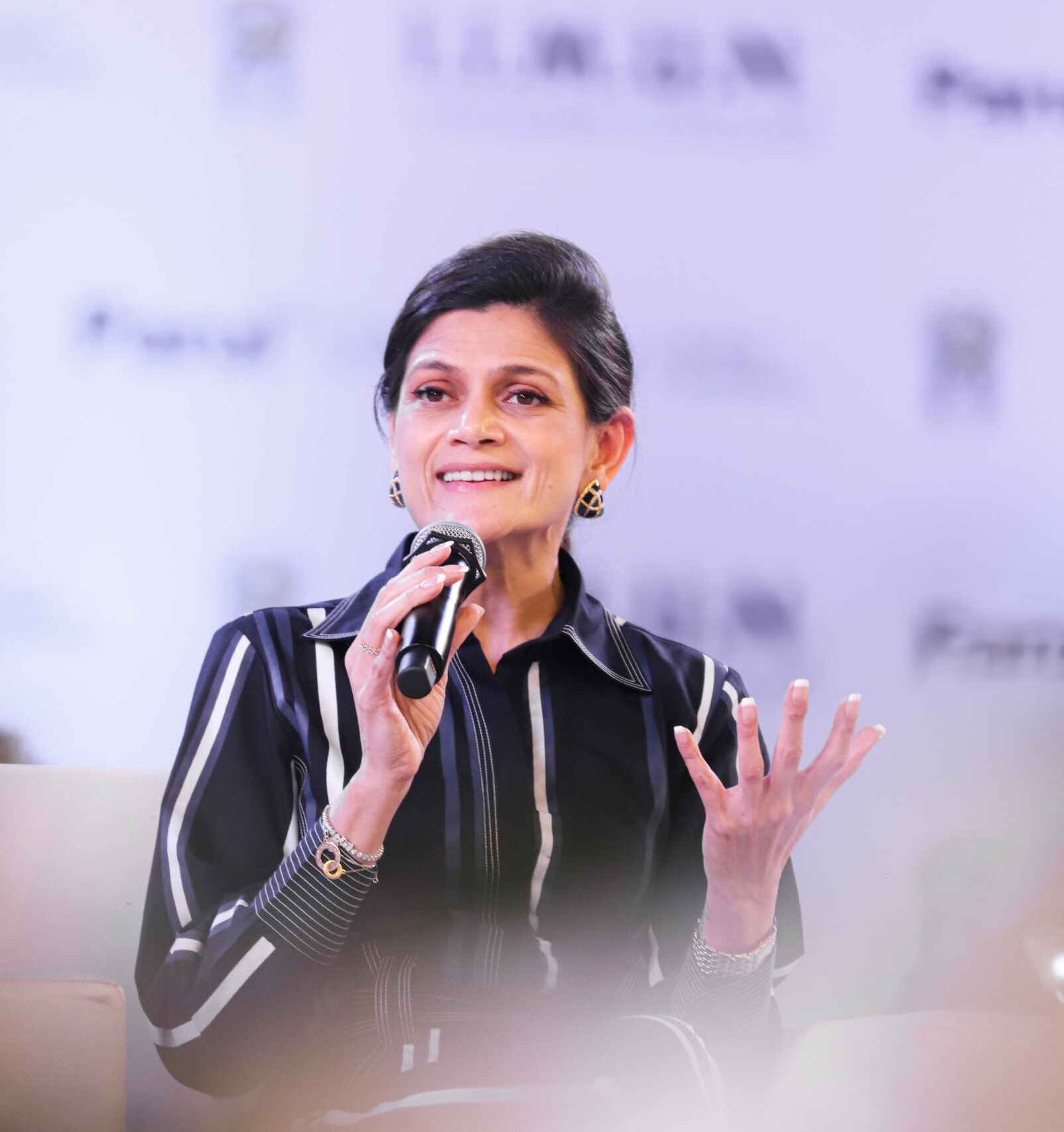
Dr. Neerja Birla
Chairperson, Aditya Birla Education Trust
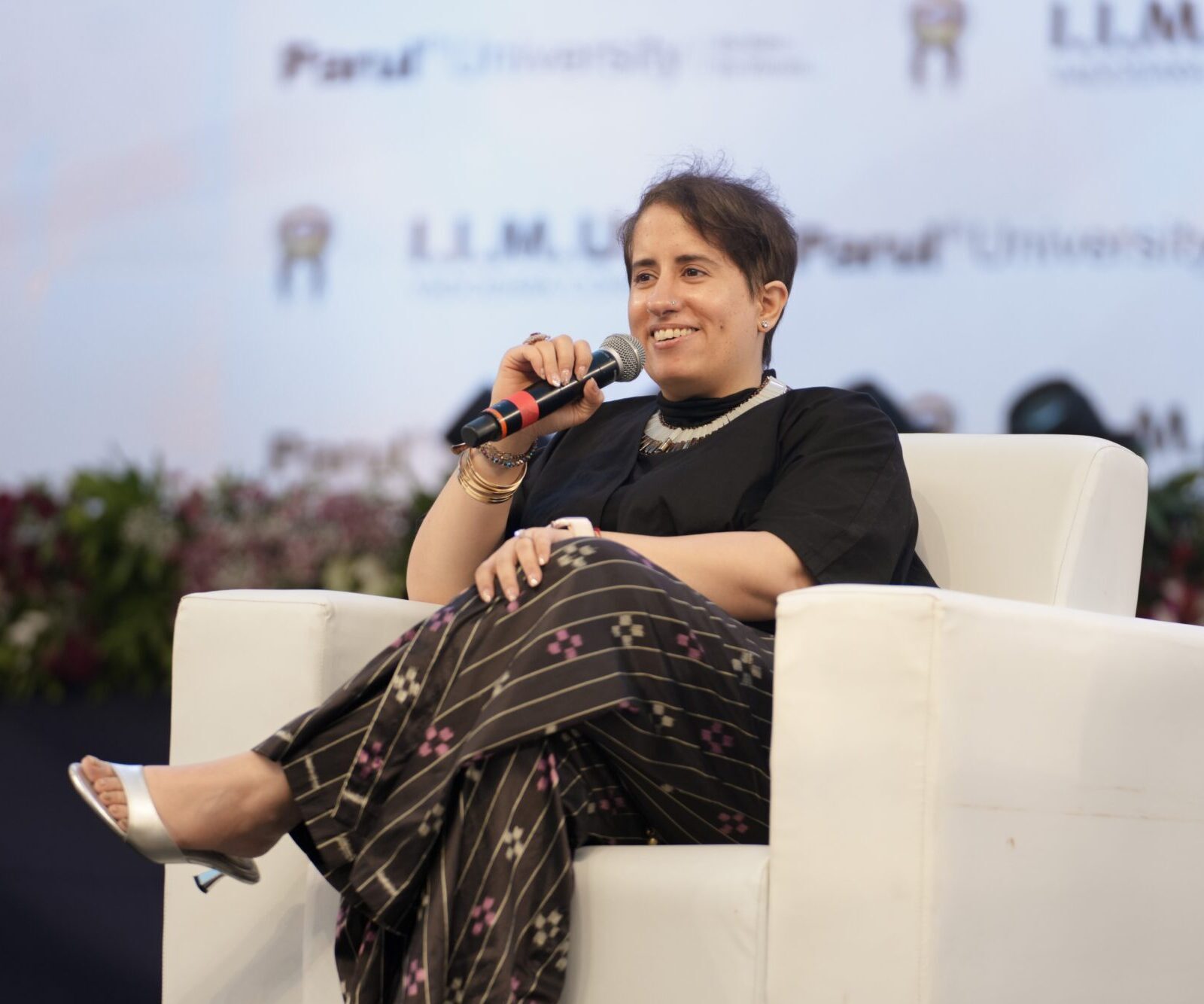
Guneet Monga Kapoor
Academy Award-Winning Film Producer
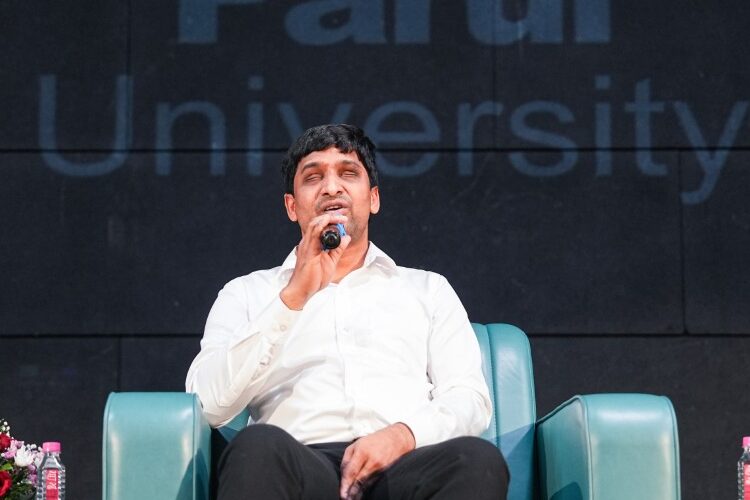
Srikanth Bolla
Indian industrialist and the founder of Bollant Industries
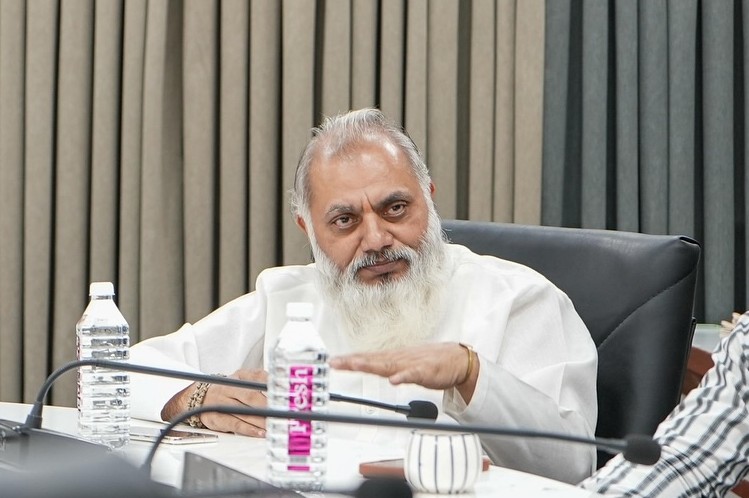
Dr. Vijay Bhatkar
Padma Bhushan & Padma Shri, Ex-Chancellor, Nalanda University
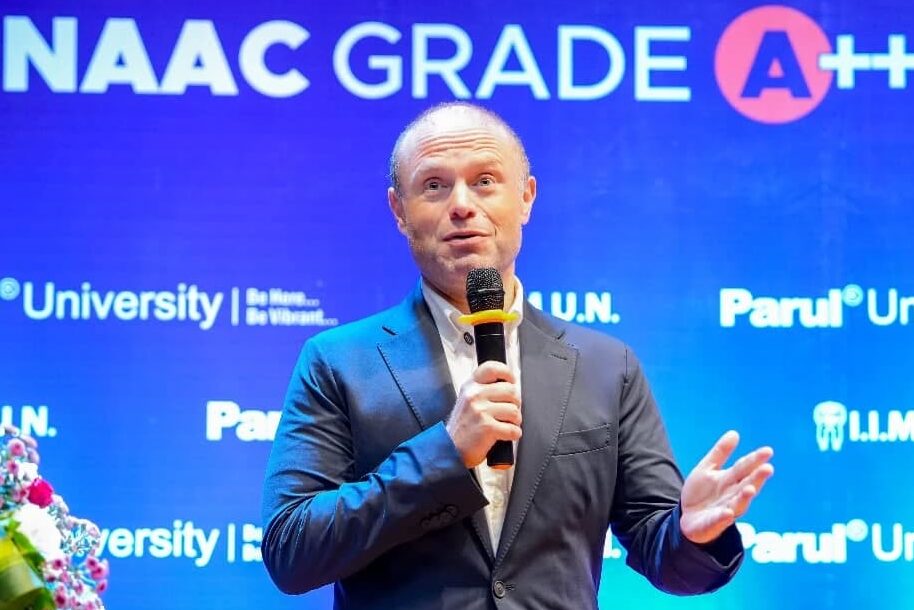
Dr. Joseph Muscat
Former Prime Minister of Malta
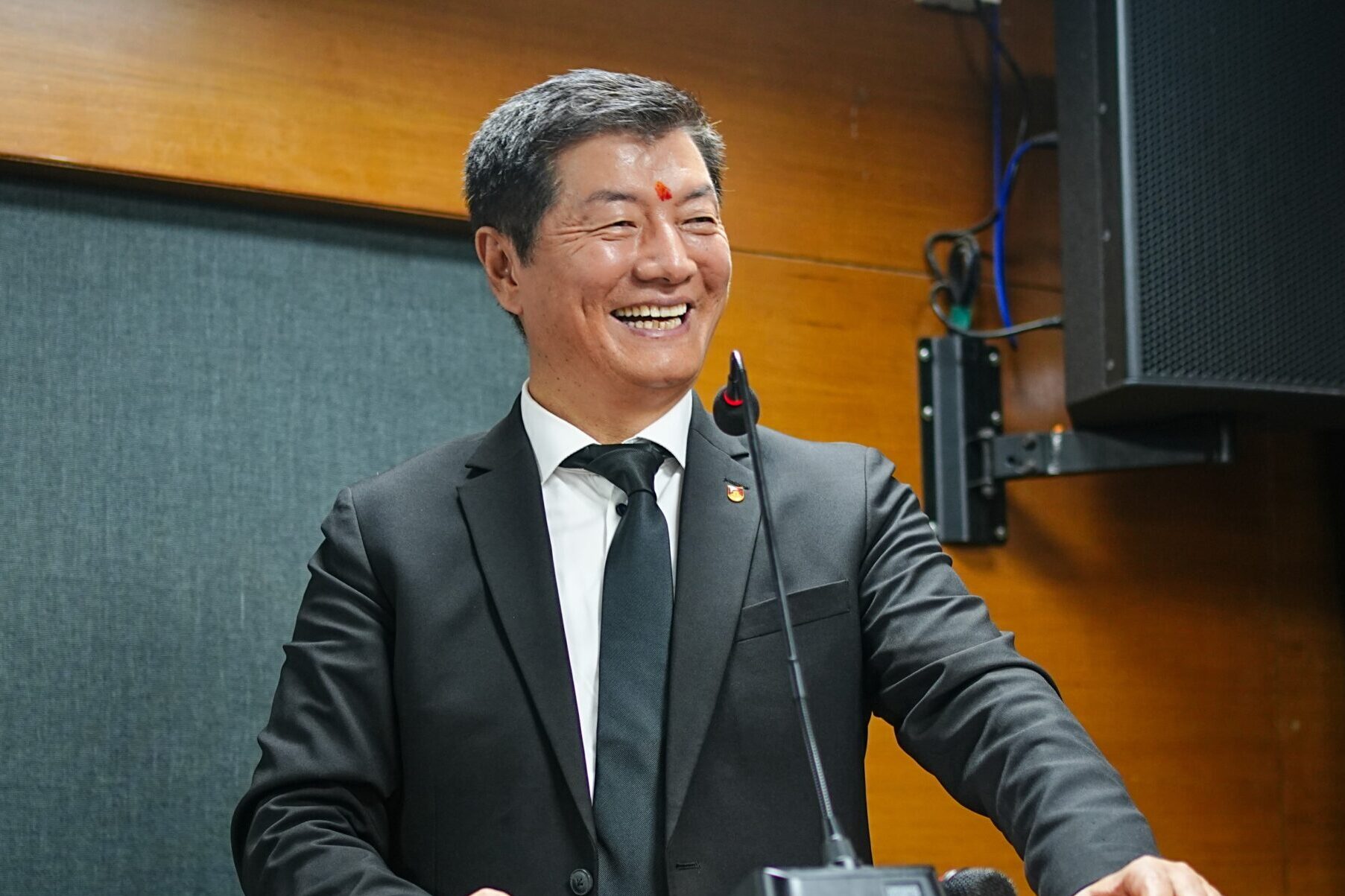
Dr. Lobsang Sangay
Former Sikyong (President), Central Tibetan Administration
500+
Participants
PharmaFest
PharmaFest at Parul University is a major academic, professional, and cultural festival organized by the Faculty of Pharmacy. Driven by the theme "Festival of Formulas & Future," the event brings together industry experts, researchers, and students to discuss healthcare innovations and scientific research.
Global Perspective Series
GPS bridges academic learning with real-world governance. It gives students direct, interactive 1:1 access to Nobel laureates, former heads of state, and international policymakers to discuss global leadership, diplomacy, justice, and social reform.
Dr. Katalin Karikó
Nobel Prize in Physiology or Medicine (2023)
Prof. Anne L'Huillier
Nobel Prize in Physics (2023)
Yves Leterme
Former Prime Minister of Belgium
Ashneer Grover
Former MD and Co - Founder
Vadodara Startup Festival
VSF is PU’s flagship national startup carnival, organized annually by the PIERC. Recognized as one of Gujarat’s largest startup carnivals, VSF serves as an incubation and growth platform that connects student founders with venture capital investors, industry mentors, and policymakers.
Dr. Abhay Jere
Chief Innovation Officer
Shri Yogesh Brahmankar
Innovation Director
Rajat Singhania
Founder
Mr. Mayur Raval
Chief Business Officer
Anurag Sundarka
Founder
Mr. Raj Hadvani
Whole-time Director
Shri Bipin Talati
IAS, Commissioner of Technical Education
Yash Tarwadi
Founder and CEO
Samrath Singh Nagpal
Co-founder
DHOOM
PU's grand annual youth festival electrifying performances, competitions, celebrity appearances and cultural showcases that define the year.
Justice D.Y. Chandrachud
50th Chief Justice of India
1000+
Participants
Vadodara Literature Festival
The VLF is a literary and intellectual gathering designed to foster a reading culture and encourage dialogue among the youth. Brings together 50+ authors, journalists, legislators, and artists to discuss diverse themes ranging from fiction, history, and gender studies to wellness, economics, and public policy.
Shobhaa De
Renowned author and columnist
General Manoj Mukund Naravane
28th Chief of the Army Staff
Ankur Warikoo
Serial entrepreneur, bestselling author, public speaker and a content creator
Vikram Sood
Former Director of R.A.W.
Devdutt Pattanaik
Mythologist and author
Kanwal Rekhi
A legendary Silicon Valley entrepreneur, venture capitalist, and philanthropist
Anil Swarup
Former IAS officer and author
Vivaan Shah
Indian actor and theater artist
Geet Chaturvedi
Hindi poet
Kaajal Oza Vaidya
Gujarati author, screenwriter, journalist, and public speaker
Pooja Dhingra
Indian pastry chef and businesswoman
Dimple Jangda
Founder of Prana
Dr. S. Jaishankar
Minister of External Affairs, Government of India
Kiran Bedi
First Indian Woman IPS Officer, Former Lt. Governor of Puducherry
PU Talks
PU Talks is an inspirational speaker series and academic event platform hosted by Parul University in Vadodara, Gujarat. It brings notable national figures, industry leaders, actors, change-makers, and visionaries to campus to share their life experiences and interact directly with students.
Gaur Gopal Das
Monk, Lifestyle Coach and Author
Saina Nehwal
Indian Badminton Player
Shri Anand Kumar
Founder Super 30
Dr. Neerja Birla
Chairperson, Aditya Birla Education Trust
Guneet Monga Kapoor
Academy Award-Winning Film Producer
Srikanth Bolla
Indian industrialist and the founder of Bollant Industries
Dr. Vijay Bhatkar
Padma Bhushan & Padma Shri, Ex-Chancellor, Nalanda University
Dr. Joseph Muscat
Former Prime Minister of Malta
Dr. Lobsang Sangay
Former Sikyong (President), Central Tibetan Administration
Learn from doctoral faculty and industry practitioners.
PhD-qualified academics and working practitioners who bring research and boardroom experience into the classroom.
Students from across India and 75+ countries.
Parul University brings together a vibrant community of learners from across India and over 75+ countries. Real stories, genuine journeys, and proven career transformations in our students' own words.


Kicking Off the First Biopharma Tour Meeting with Parul University!
Students bring high curiosity and energy as we gear up to explore top pharmaceutical innovations.


Honored with Certificate of Excellence at School of Pharmacy!
Gaining top academic rank reflects the world-class mentorship and encouragement provided across Parul University.

Pharma Innovation Visit to CSIR-IICT Hyderabad
Direct interaction with top scientists inspired our students to think beyond traditional classrooms.

Exploring World-Class Vaccine Development at Indian Immunologicals!
Learning how a 'One Health' approach drives affordable, life-saving solutions on Day 4 of PU's tour.

Achieving Gold Medal Success in Parkinson's Research
Gaining valuable project feedback from international experts to drive final-year M.Pharm research.

Biopharma Tour to Hyderabad Successfully Completed!
A proud milestone celebrating research exposure, industry connections, and academic growth.

Communities Create Opportunities
Great to see AWS Community Day Vadodara helping students learn and grow. Wishing the AWS Student Builder Group continued...

Pick your route. We'll pick it from there.
Whether you’re finishing Class 10, finishing Class 12, or holding a degree, the fastest way forward is a two-minute conversation. Ask about eligibility, branches, fees or the application - and a counsellor follows up.
Request a callback
We'll only use this to respond to your enquiry. No spam. No sharing.
Pharmacy at PU
Your Questions Answered!
Are the pharmacy programs at Parul University approved by PCI?
Yes, all pharmacy programs offered by the Faculty of Pharmacy at Parul University—including D.Pharm, B.Pharm, M.Pharm, and Pharm.D—are fully approved by the Pharmacy Council of India (PCI). Graduates are eligible for official state council registration as registered pharmacists.
Can I get direct admission into 2nd year B.Pharm after D.Pharm?
Yes, candidates who have completed a 2-year D.Pharm program from a PCI-recognized institution can take direct admission into the 2nd year of B.Pharm via Lateral Entry, completing their degree in 3 years.
Does Parul University have an in-house hospital for clinical training?
Yes, the university operates the 750-bedded Parul Sevashram Hospital along with an NABL-accredited Clinical Medical Research Laboratory on campus. Students gain direct clinical exposure, ward rounds, and patient-care training
What specialisations are available under M.Pharm?
Parul University offers M.Pharm specialisations in core and advanced areas including Pharmaceutics, Pharmacology, Quality Assurance, Regulatory Affairs, Pharmaceutical Analysis, and Pharmacy Practice
What is the difference between B.Pharm and Pharm.D?
B.Pharm (4 years) focuses on pharmaceutical sciences, industrial manufacturing, drug formulation, R&D, and regulatory affairs. Pharm.D (6 years) is a clinical doctoral program focused on direct patient care, hospital ward rounds, clinical pharmacokinetics, disease management, and bedside therapeutic counseling.
How does Parul University prepare pharmacy students for global licensure exams?
The PCI-aligned curriculum and clinical training provide foundational preparation for international licensing exams, including GPAT (India), FPGEE (USA), PEBC (Canada), and KAPS (Australia).
What career support and campus placements are provided for pharmacy graduates?
Students have access to a network of 2200+ recruiters, dedicated Training & Placement Cells, mock interview sessions, and built-in industrial/clinical internships. Top recruiters include Sun Pharma, Cipla, Zydus Lifesciences, Lupin, Torrent, and Apollo Pharmacy.
Can I start my own healthcare venture or pharmacy chain while studying?
Yes, students can incubate their business ideas through the Parul Innovation & Entrepreneurship Research Centre (PIERC), which provides lab space, prototyping equipment, founder mentorship, seed funding access, and regulatory guidance.
What is the eligibility criteria for M.Pharm programs?
Applicants must hold a B.Pharm degree from a PCI-recognized university with a minimum aggregate score (typically 55%) and valid entrance scores (such as GPAT or university merit criteria).
Are internships mandatory during the pharmacy degree programs?
Yes, hands-on exposure is mandatory across programs. B.Pharm includes industrial training and hospital visits, while Pharm.D includes a full 1-year residency/internship in hospital wards during the final year.
Insights for future information leaders.
Latest guides and stories from the Parul Institute of Public Health – B.Sc., MPH, and MHA specialisations, healthcare careers, field projects, and student journeys.
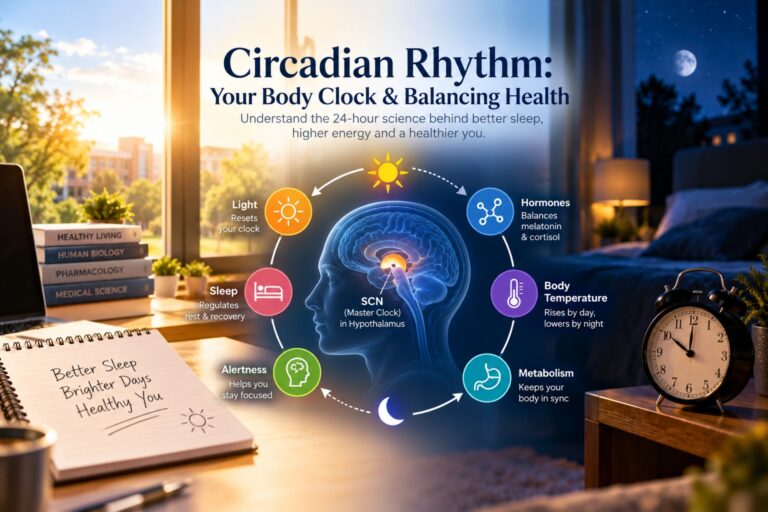
Circadian Rhythm: Your Body Clock & Balancing Health by the…
Why do you naturally feel sleepy at night and alert during the day, even without a clock?...
Read on the blog →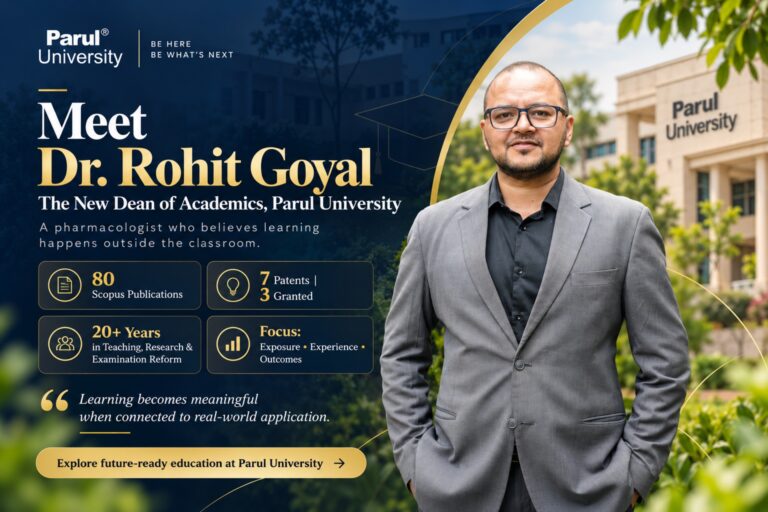
Meet Dr. Rohit Goyal, Parul University’s New Dean of Academics:…
A pharmacologist with 80 Scopus publications, granted patents, and two decades spanning te...
Read on the blog →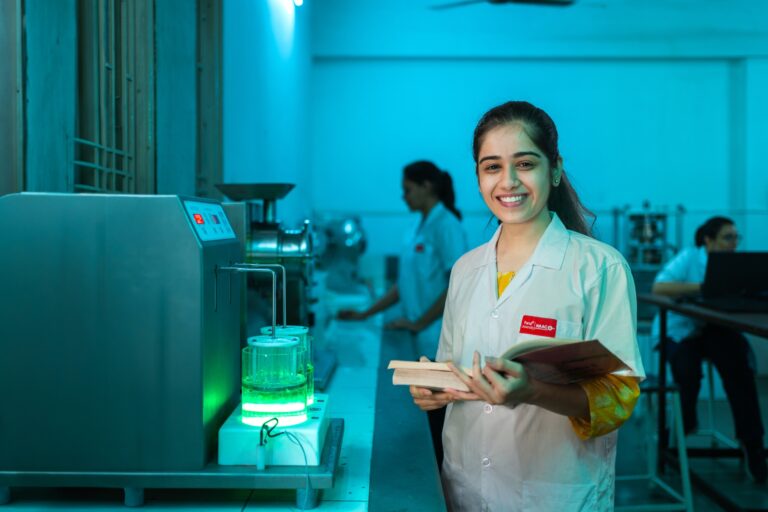
How To Choose the Right Pharmacy College: A Complete Guide…
Choose a pharmacy college by checking its academic quality, practical facilities, industry...
Read on the blog →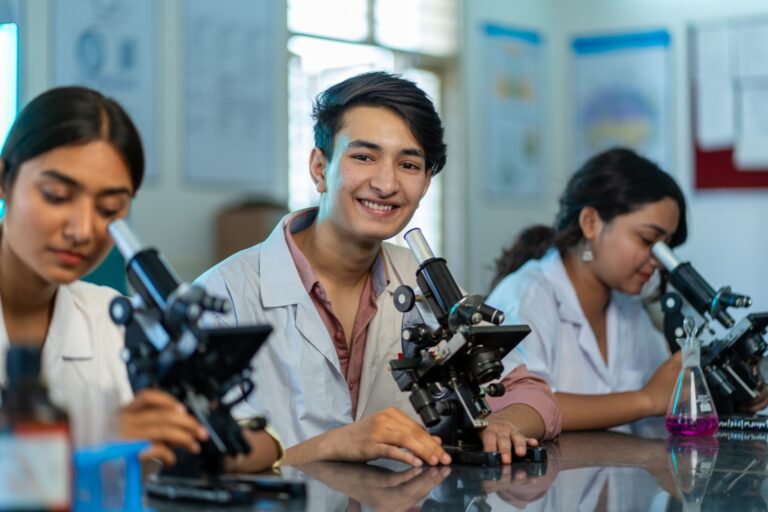
Essential Skills Every Pharmacy Student Should Learn Before Graduation: A…
Pharmacy students need more than subject knowledge. Practical skills, accuracy, communicat...
Read on the blog →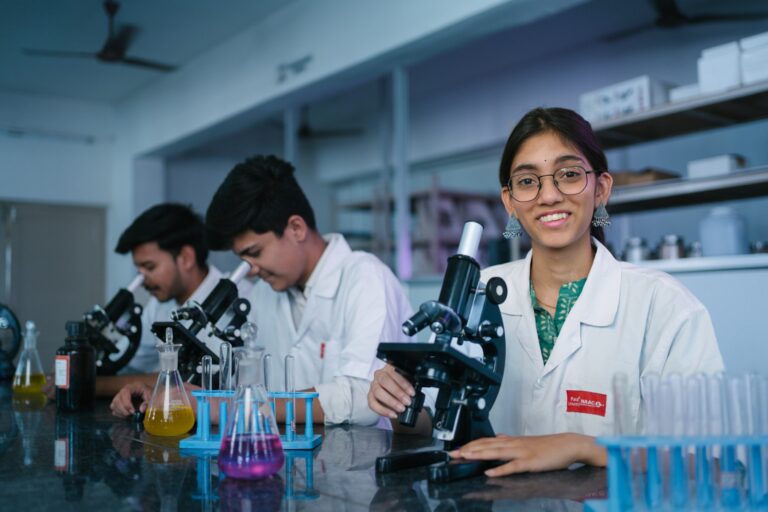
B.Pharma Vs Pharm.D: Which Pharmacy Course Is Right For You?
A good GPAT preparation strategy should combine clear concepts, regular revision, question...
Read on the blog →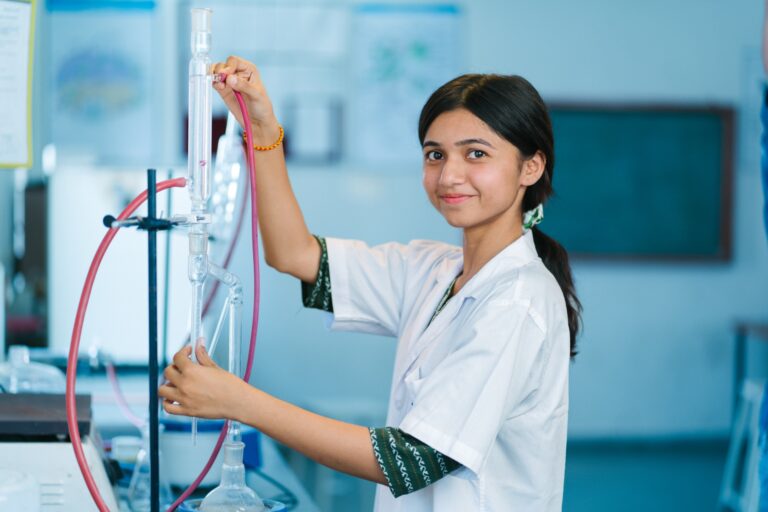
GPAT Preparation Strategy: How to Plan Your Studies Effectively
A good GPAT preparation strategy should combine clear concepts, regular revision, question...
Read on the blog →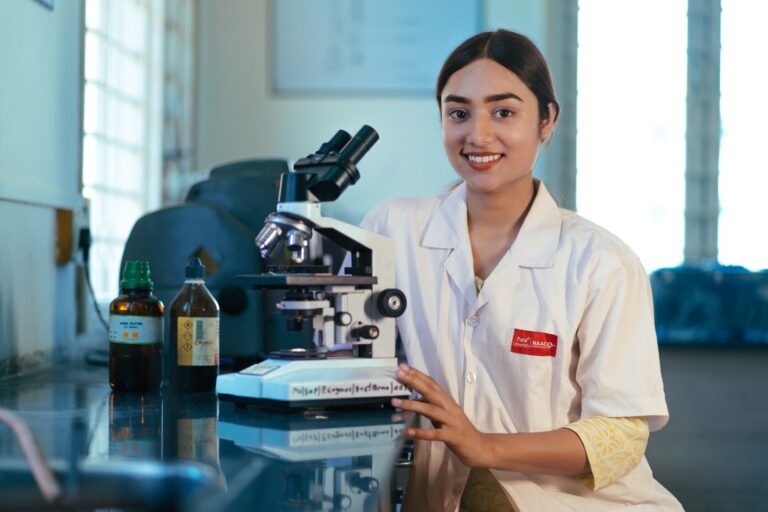
Career Options After B.Pharma: Industry, Hospital, and Government Careers
Discover the diverse career paths after B.Pharm, from pharmaceutical production and qualit...
Read on the blog →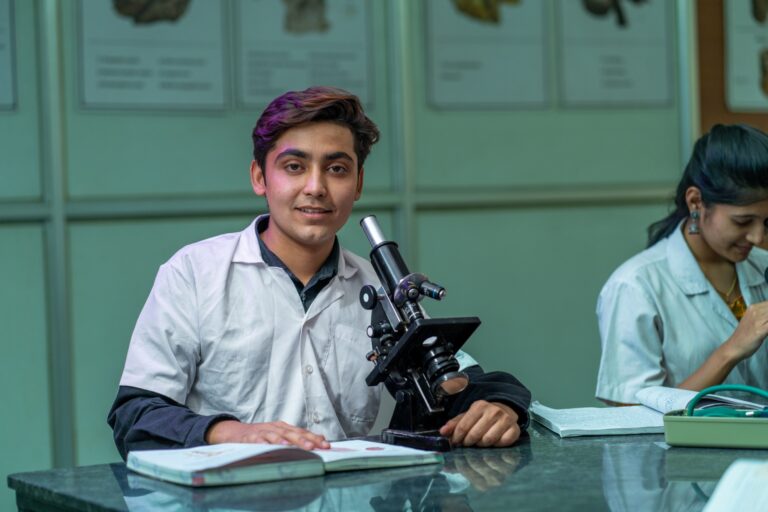
Is B.Pharma the Right Career Choice? Everything You Need to…
B.Pharm can be a good career choice for students who enjoy science, medicines, careful lab...
Read on the blog →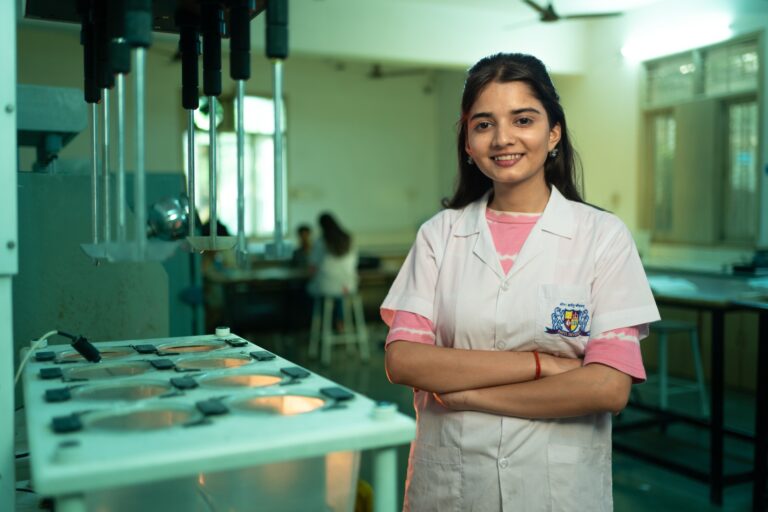
Complete Guide To B.Pharm: Eligibility, Subjects, Career Opportunities and Salary
B.Pharm is a four-year pharmacy degree that can prepare students for careers in medicines,...
Read on the blog →
Why Regulatory Affairs Has Become One of the Most Valuable…
Regulatory affairs helps M.Pharm students understand how safe and effective medicines move...
Read on the blog →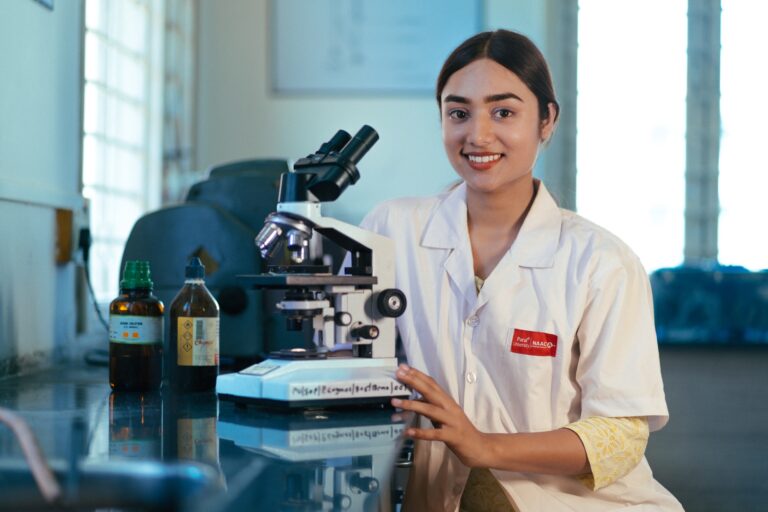
What the Pharmaceutical Industry Expects from Today’s M.Pharm Graduates
Pharma employers need M.Pharma graduates who can combine subject knowledge with practical...
Read on the blog →
How Industry Collaborations Make Pharmaceutical Education More Practical
Industry collaborations help M.Pharma students connect classroom concepts with real drug r...
Read on the blog →

