
Why Product Design Is Evolving Faster Than Ever
Product design today is all about creating meaningful solutions that help address user needs. The product should meet technological advancements and sustainability challenges. From smart consumer products and medical devices to eco-friendly materials and digital manufacturing, product designers are shaping the future of everyday life.
Did you know
A product designer’s salary in India is around 15.7 lakhs – 16.7 lakhs.
Source: AmbitionBox
For students planning to apply to product design programs, understanding where the field is heading is crucial. Universities that integrate industry trends, hands-on learning, and interdisciplinary exposure prepare students not just for jobs, but for long-term design careers.
1.Digital Fabrication & Rapid Prototyping: The Core of Future Design
One of the most significant shifts in product design is the move toward digital fabrication and rapid prototyping. Designers no longer wait for long manufacturing cycles as they can now test, refine, and iterate ideas in real time.
Key industry practices include:
- 3D printing for quick concept validation
- CNC machining for precision components
- Laser cutting and engraving for detailed fabrication
- PCB milling for smart and electronic products
At Parul University:
Students gain hands-on exposure through a fully equipped FabLab, featuring advanced digital tools such as:
- 3D printers (FDM and DLP) for functional and aesthetic prototypes
- Laser cutters and engravers for precision fabrication
- CNC routers and vacuum forming units for complex structures
- PCB milling and vinyl cutting for electronics-based and graphic-integrated products
This environment enables students to transform ideas into working prototypes, aligning academic learning with real-world design workflows.
2.From Digital Models to Physical Products
The future of product design demands a strong understanding of how digital designs translate into physical forms. Designers must consider materials, tolerances, and manufacturability from the earliest stages.
Skills students must develop:
- Converting CAD models into functional prototypes
- Understanding scale, structure, and material behaviour
- Iterative testing and refinement
At Parul University:
Dedicated 3D printing laboratories allow students to convert digital concepts into tangible models, encouraging experimentation, testing, and continuous improvement, essential skills in professional design practice.
3.Precision, Craft, and Material Intelligence
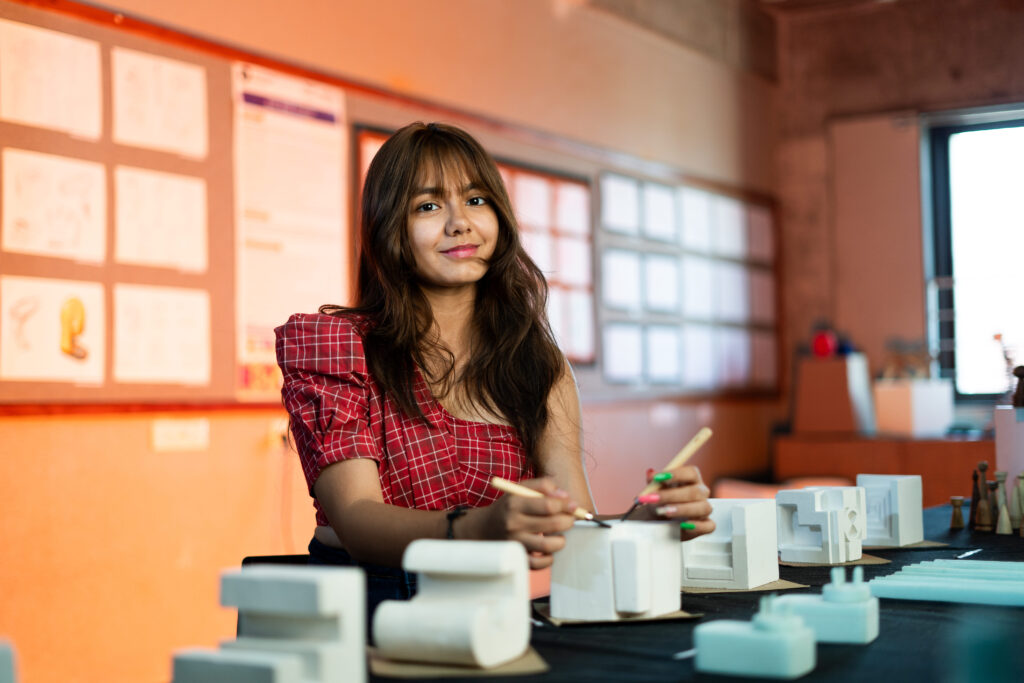
While digital tools are very important, future designers must also develop material intelligence, an understanding of how different materials behave, feel, and perform.
Why material-based learning matters:
- Enhances structural understanding
- Encourages innovation through hands-on experimentation
- Bridges the gap between concept and production
At Parul University:
Students work in laser cutting labs for precision pattern making and are trained in metal, wood, and ceramic workshops, where they learn fabrication techniques, structural design, and material exploration. This balanced exposure prepares students for both industrial-scale and craft-based design challenges.
4.Design Studios That Mirror Industry Practice
Modern product designers operate in collaborative studio environments, using advanced tools and software to ideate, visualise, and present solutions.
Essential studio competencies include:
- Concept development and visualisation
- Design documentation and rendering
- Professional presentations and critiques
At Parul University:
Students learn in product design studios equipped with industry-standard software and dedicated workstations, supported by computer labs with advanced design suites for:
- CAD drafting
- 3D modeling
- Rendering and visualisation
This studio-based approach helps students build strong portfolios, a critical requirement for internships, placements, and higher studies.
5.Technology-Driven Design Thinking
The future of product design requires designers to think beyond form—to understand systems, usability, and production constraints.
Students are trained to:
- Apply design thinking methodologies
- Solve real-world problems through prototyping
- Iterate based on testing and feedback
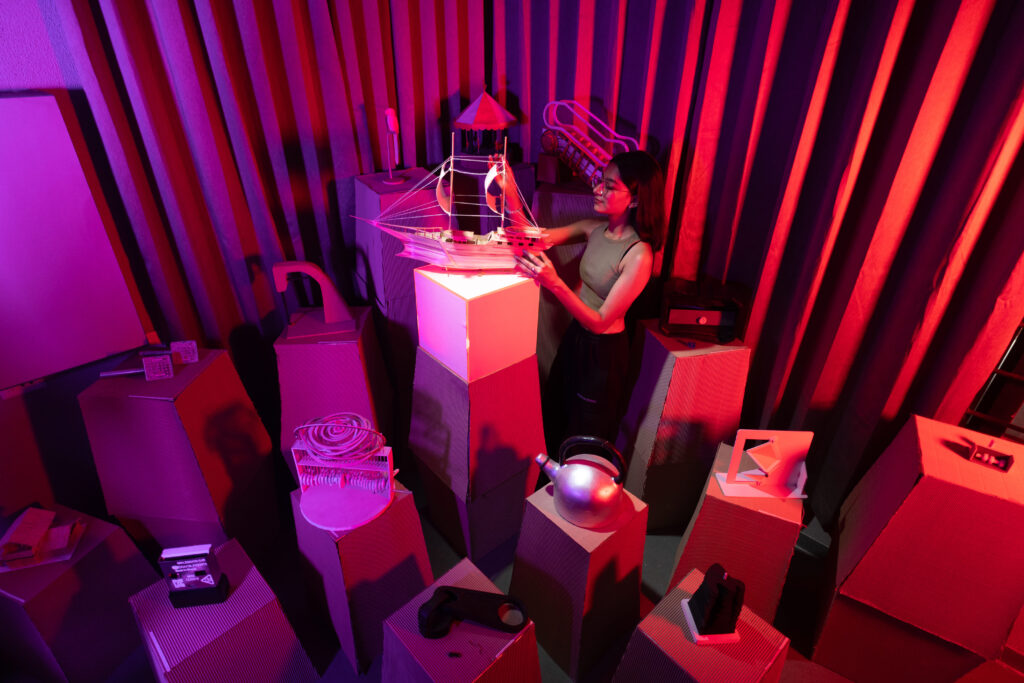
By integrating digital fabrication, material workshops, and design studios, Parul University ensures that students graduate with both conceptual clarity and practical competence.
Career Pathways After Product Design Education
With hands-on exposure and industry-aligned training, students can pursue careers as:
- Product / Industrial Designer
- Prototyping & Fabrication Specialist
- CAD & Visualisation Expert
- Design Researcher
- Design Entrepreneur
These roles span industries such as manufacturing, consumer products, healthcare, furniture, electronics, and innovation-driven startups.
Choosing the Right Product Design Program This Admission Season
As admissions approach, aspiring designers should look for programs that offer:
- Advanced fabrication and prototyping facilities
- Strong studio-based learning
- Exposure to both digital and material-based design
- Infrastructure that supports experimentation and innovation
Why Parul University is a Good Choice for choosing Bachelor of Design
With its FabLab, advanced prototyping labs, material workshops, and industry-ready design studios, Parul University provides a future-focused learning ecosystem where students don’t just learn design, but they also practice it.
Learning to Design by Making
The future of product design belongs to those who can think creatively, work with technology, and build tangible solutions. For students aspiring to enter this dynamic field, the right education can make all the difference.
By offering hands-on learning through advanced labs, studios, and fabrication facilities, Parul University empowers students to design, prototype, and innovate with confidence. This prepares them for the challenges and opportunities of tomorrow’s design industry.