Bachelor's Program

Bachelor of Design (B.Des) in Communication Design

Home > Bachelor of Design (B.Des) in Communication Design

Duration

4 Years

Eligibility

10 + 2

Fees Per Annum

₹3,54,000

Bachelor of Design in Communication Design

The Communication Design program trains students to become visual storytellers and communication strategists capable of shaping how information is seen, understood, and experienced. Students study graphic design foundations, typography, image-making, color psychology, grid systems, and layout techniques. They learn to communicate effectively through posters, books, packaging, brand systems, and digital experiences.

The program also offers strong exposure to photography, videography, visual editing, animation, motion graphics, and digital content creation. Students explore the fundamentals, of communication designs, and new media applications, preparing them to design for both print and screen. Through branding projects, advertising campaigns, information design assignments, and storytelling exercises, students build a versatile portfolio. Graduates emerge ready for roles in branding studios, advertising agencies, digital media companies, creative consultancies, and independent practice.

Communication Design | Where Ideas Turn Into Visual Stories

PROGRAM STRUCTURE – COMMUNICATION DESIGN (B.Des)

FIRST Year

FOUNDATION YEAR

Building Visual Thinking & Design Fundamentals

  • Visual language, form, space, and structure
  • Design history, evolution, and cultural context
  • Basics of typography, illustration, and image making
  • Materials, processes, and hands-on exploration
  • Introduction to photography and visual communication
SECOND Year

SKILL ENHANCEMENT

Strengthening Graphic & Visual Communication Skills

  • Advanced illustration and image-making
  • Typography systems and information design
  • Corporate identity and branding projects
  • Packaging, print processes, and wayfinding design
  • Motion graphics fundamentals and storyboarding
  • Photography for conceptual and commercial use
THIRD Year

SPECIALIZATION & INDUSTRY-ORIENTED DESIGN

Preparing for Professional Design Practice

  • Advertising, copywriting, and 360° campaigns
  • Motion graphics, cinematography, and broadcasting
  • Exhibition, retail, and visual merchandising design
  • Immersive media (AR/VR/XR) and generative AI
  • Design management and entrepreneurship
FOURTH Year

PROFESSIONAL PRACTICE & CAPSTONE

Transitioning from Student to Design Professional

  • Professional portfolio development
  • Industry internship and real-world exposure
  • Research-driven graduation project
  • Concept development, execution, and presentation
  • Client communication and professional ethics

Curriculum

Semester 1 Semester 2
Contextual Art and Design Design Communication Skills
Material Studies (Linear, Planar, Solid, Moldable) Craft Experience
Creative Skills Principles of Communication Design
Object as History Graphic Design - Brochure
Visual Expression Image Making & Illustration I
Design Concepts VC_elective_sem 2 (Compulsory Subjects :1)
Semester 3 Semester 4
History of Communication Design Creative Production Studio
Story Boarding Visual Culture & Context
Image Making & Illustration II Digital Motion graphics
3D Visualization Methods Advance Typography
Design Project- Corporate Identity Design Packaging Design
VC_elective_sem 3 (Compulsory Subjects :1) Design Project - Way Finding Systems
VC_elective_sem 4 (Compulsory Subjects :1)
Semester 5 Semester 6
User Interface & User Experience I User Interface & User Experience II
Story telling & Narrative Structure Semiotics & Semantics
Design Apprenticeship Interdiscplinary Design
Research Process Design Entreprenuership
Campaign Design Portfolio Development
Design Project - Publication Design Design Project - Immersive Media
VC_elective_sem 5 (Compulsory Subjects :1) VC_elective_sem 6 (Compulsory Subjects :1)
Semester 7 Semester 8
Industry Experience Industry Graduation Project
Contemporary Narration Practices  
Design Innovation & Sustainabilty  
Design Graduation Project  

Key Learning Outcomes of the program

Create impactful visual communication across print, digital, and interactive platforms using contemporary design principles and storytelling techniques.

Apply design thinking and user-centric approaches to solve real-world communication challenges relevant to brands, media, and society.

Use industry-standard digital tools and AI-assisted design technologies to ideate, design, prototype, and refine creative solutions efficiently.

Develop strong brand narratives and identities that resonate with Gen Z audiences and adapt to evolving cultural and social contexts.

Design for emerging platforms, including social media, motion graphics, interactive media, and immersive digital experiences.

Integrate typography, imagery, motion, and layout to communicate ideas clearly, ethically, and inclusively.

Collaborate effectively in interdisciplinary and industry-led environments, demonstrating professional communication and teamwork skills.

Demonstrate awareness of sustainability, ethics, and responsible design practices in contemporary visual communication.

Build and present a professional portfolio that reflects individual creative identity and industry readiness.

Adapt to changing industry trends and technologies, showing lifelong learning skills essential for evolving creative careers.


Testimonials

Our Design Resources

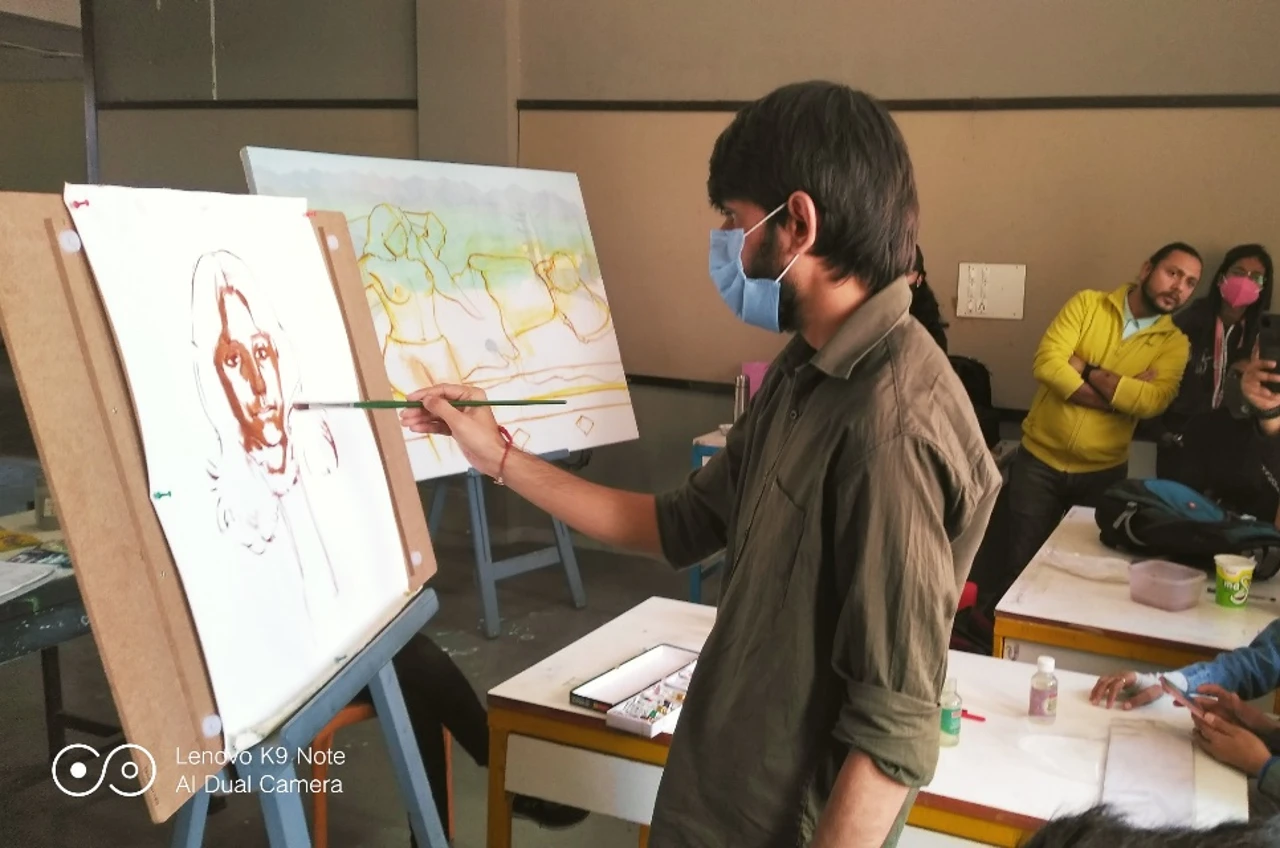
Painting Studio

- Painting Studio

This can be for the purpose of architecture, painting, pottery, sculpture, woodworking, graphic design

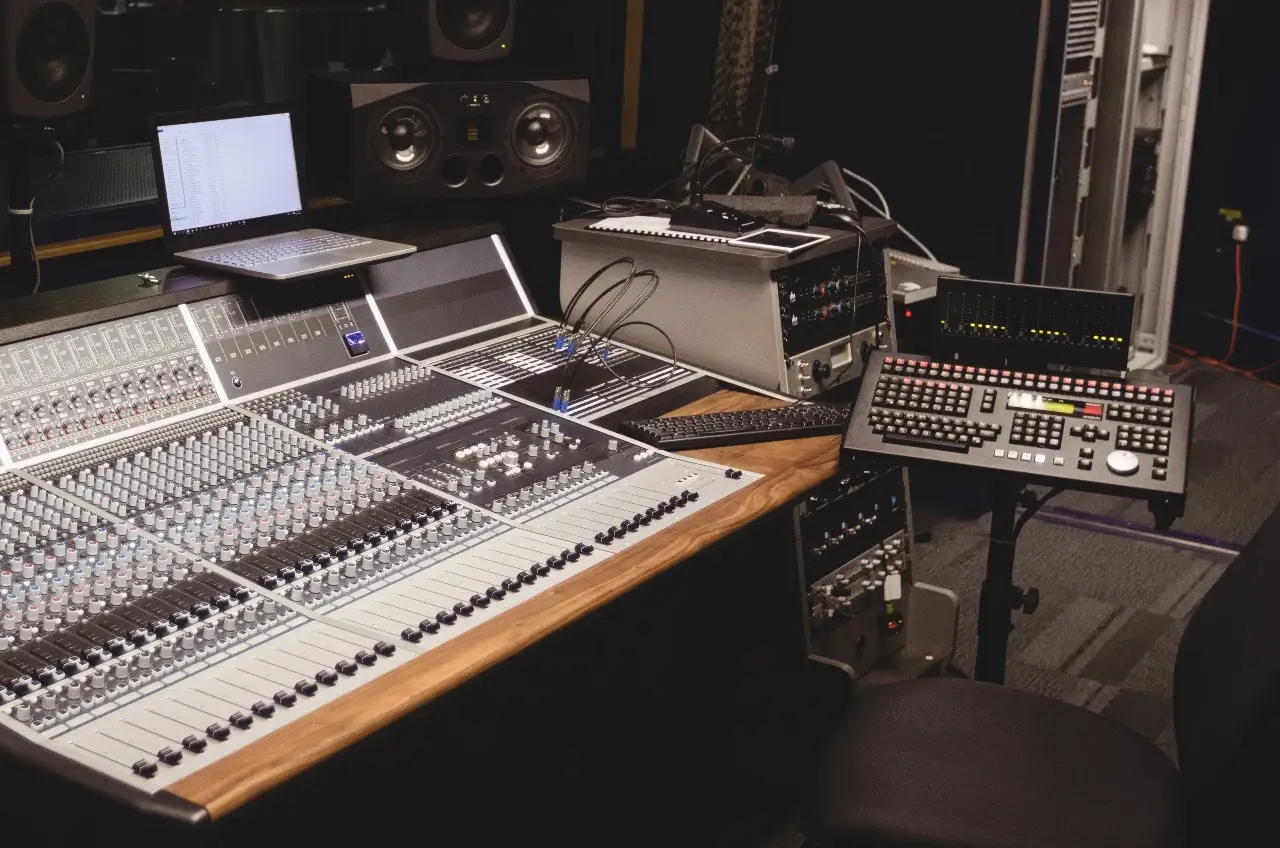
Editing Studio

- Editing Studio

Here we can edit audio and visual material such as podcasts, interviews, etc with easy to use equipment and software.

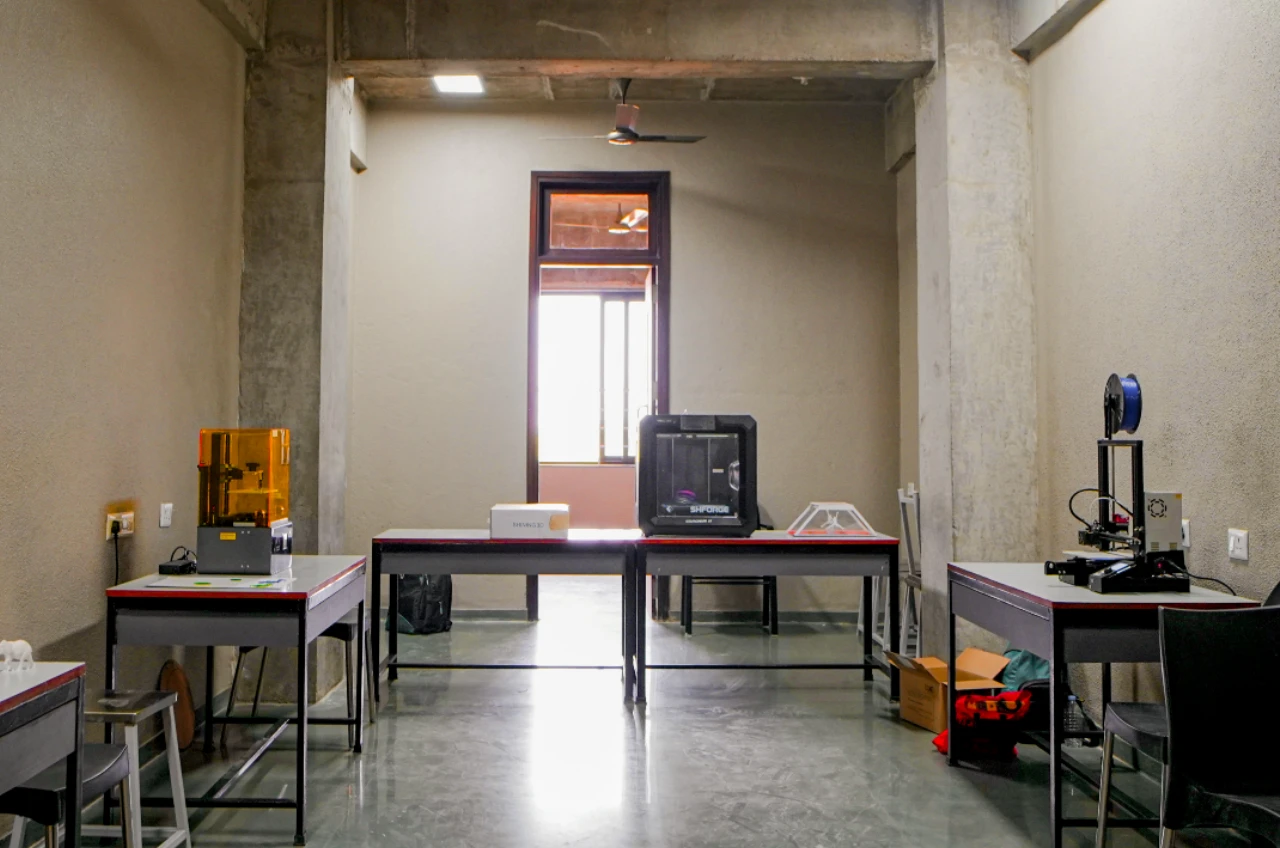
3D Printing Lab

- 3D Printing Lab

Enabling complex geometric or organic shaped parts to be designed on a computer

ICT–Enabled Design Spaces

- ICT–Enabled Design Spaces

There are 2 Computer labs and 2 smart classes and 1 Library which are used by all Departments

Selection Process

The selection process is held in three stages

FIRST

Design Aptitude Test (DAT)

Design Aptitude Test is an online test conducted by the Parul Institute of Design to seek evidence of the attitude, aptitude, achievement, motivation and perception essential in a potential student of design.

SECOND

Portfolio Round

After successful completion of DAT applicants need to submit their portfolios via the link provided to them.

Last Date to Register: 5th May 2025
Exam Date: 8th May 2025

APPLY NOW

FAQS

Yes. Design is a growing career with opportunities across creative industries, technology, media, branding, fashion, interiors, and digital platforms. With increasing demand for user-centric and visual solutions, design professionals are highly valued across industries.
PID offers undergraduate design programs across multiple specializations in bachelor’s and diploma for Communication Design, Product Design, Fashion Design, Interior Design, and User Experience & Interaction Design with AI, aligned with current industry and creative trends. We also offer BSc (Reg. as well as Hons) in VFX /Animation and Film and Television.
PU DAT (Pimpri University Design Aptitude Test) is the official entrance exam conducted for admission to design programs at PID. It assesses a student’s creativity, aptitude, observation skills, and problem-solving abilities.
Students who have completed 10+2 (any stream) from a recognized board are eligible to apply. There is no requirement for prior design knowledge or formal training.
PU DAT evaluates creative thinking, visual sensitivity, logical reasoning, general awareness, and basic design aptitude. The exam is designed to understand a student’s potential, not their technical expertise.
A formal portfolio is not mandatory for undergraduate admissions. However, students may present sketches, creative work, or projects during the interview process, if applicable.
PID’s curriculum begins with a strong foundation year, focusing on basic design principles, creativity, and skill development, ensuring that students from all academic backgrounds can adapt and succeed.
The admission process typically includes:
  • Application submission
  • PU DAT entrance exam
  • Personal interaction or interview (if required)
  • Final selection is based on overall performance.
Yes. PID emphasizes industry visits, field exposure, live projects, workshops, events, and internships, helping students gain real-world insights and professional experience during their program.
He/she will be required to fill the online application on the Parul University website. The application fee is Rs. 2000/- Fee has to be paid in online mode via credit card/debit card, and a printout should be taken for future reference
Enquire Now
Enquiry Form