Bachelor's Program

Bachelor of Science in Film and TV Production

Home > Bachelor of Science in Film and TV Production

Duration

4 Years

Eligibility

10 + 2

Fees Per Annum

₹1,79,000

Bachelor of Science in Film and TV Production

The Bachelor of Science in Film & Television Production at Parul Institute of Design (PID) is designed for students who aspire to tell compelling stories through moving images across cinema, television, digital platforms, and OTT media. The program offers a comprehensive understanding of the filmmaking process, combining creative storytelling with technical expertise and industry-relevant practices.

Students are introduced to the core disciplines of film and television production, including screenwriting, direction, cinematography, sound design, production design, editing, and color grading. From concept development to final output, learners gain hands-on experience across pre-production, production, and post-production, allowing them to understand the complete visual storytelling pipeline.

The curriculum emphasizes practical learning through real projects such as short films, documentaries, advertisements, interviews, and multi-camera productions. Students work with professional cameras, lighting systems, studio setups, and post-production tools used in contemporary film and television environments.

Industry exposure through workshops, field visits, and project-based learning helps students stay aligned with current media trends and evolving audience formats. By the end of the program, graduates develop a strong portfolio and showreel that reflects their creative vision, technical proficiency, and readiness to work in film studios, production houses, broadcast media, OTT platforms, and independent filmmaking.

Film & TV Production in a Glimpse | Crafting Stories for the Screen

PROGRAM STRUCTURE – PRODUCT DESIGN (B.Des)

FIRST Year

FOUNDATION YEAR

Building strong fundamentals in cinema, storytelling, and visual literacy

  • Foundations of Motion, Image & Film Appreciation
  • Introduction to Editing & Visual Grammar
  • Storytelling, Film Analysis & Character Observation
  • Design Fundamentals & Cultural Studies
  • Basics of Sound, Image Editing & Camera Mechanisms
  • Life Skills, Communication & Creative Thinking
SECOND Year

SKILL ENHANCEMENT

Hands-on learning across core filmmaking disciplines

  • Mise-en-Scène & Visual Composition
  • Cinematography: Camera Sensors, Lenses & Encoding
  • Editing Techniques & Narrative Flow
  • Sound Design for Film, Broadcast & OTT
  • Multi-Camera Techniques & Studio Production
  • Long Take Projects & Practical Film Exercises
THIRD Year

SPECIALIZATION & INDUSTRY-ORIENTED DESIGN

Industry-aligned production workflows and creative specialization

  • Non-Fiction & Documentary Filmmaking
  • Advanced Cinematography & Lighting Practice
  • Graduation Film – Pre-production & Planning
  • Direction, Editing Aesthetics & Sound Recording
  • Music Video Production & Thematic Visuals
  • Career Skills, Portfolio Building & Industry Exposure
FOURTH Year

PROFESSIONAL PRACTICE & CAPSTONE

Independent filmmaking, industry immersion, and professional output

  • Graduation Film – Production & Post-Production
  • Advanced Sound Mixing, Foley & Color Grading
  • Editing for Film, Music Videos & Digital Platforms
  • Internship / On-the-Job Training (OJT)
  • Research Project or Professional Practice
  • Ethics, Communication & Media Responsibility

Curriculum

Semester 1 Semester 2
Foundations of Motion and Image Dynamics Major (Discipline Specific Course)
Introduction to Editing Minor -2 / Interdisciplinary Course
Story & Film Appriciation University Electives -2 Multidisciplinary course) (Select any one)
Minor -1 / Interdisciplinary Course Skill Enhancement Course -2
University Electives -1 (Multidisciplinary course) (Select any one) Film Making: Film Appreciation
Skill Enhancement Course -1 Value Added Course-2
Value Added Course-1 Ability Enhancement Course -2 /Modern Indian Language-1 (Select any one)
Ability Enhancement Course -1 /Modern Indian Language-1 (Select any one)
Semester 3 Semester 4
Major (Discipline Specific Course) Major (Discipline Specific Course)
University Electives -3 (Select any one) Minor -3 / Interdisciplinary Course (Select any one)
Skill Enhancement Course -3 Skill Enhancement Course -4
Value Added Course-3 Value Added Course-4
Ability Enhancement Course -3/ Modern European Language-1 (Select any one)
Semester 5 Semester 6
Major (Discipline Specific Course) Major (Discipline Specific Course
Minor -4 / Interdisciplinary Course (Select any one) Minor -6 / Interdisciplinary Course (Select any one)
Minor -5 / Interdisciplinary Course (Select any one) Ability Enhancement Course -5
Skill Enhancement Course -5
Semester 7 Semester 8
Major (Discipline Specific Course) Major (Discipline Specific Course)
Minor -7 / Interdisciplinary Course (Select any one) Minor -8 / Interdisciplinary Course (Select any one)

Key Learning Outcomes of the program

Apply cinematic language and visual storytelling principles to develop compelling narratives across film, television, OTT, and digital platforms.

Conceptualize, script, plan, and execute audio-visual projects, managing all stages from pre-production to post-production.

Operate professional filmmaking equipment, including cameras, lighting systems, sound recording tools, and multi-camera studio setups.

Demonstrate technical proficiency in cinematography, including camera sensors, lenses, lighting design, framing, encoding, and color workflows.

Edit and structure visual content effectively, using industry-standard editing, sound design, and post-production techniques.

Design and manage sound for film and broadcast, including sync sound, dialogue, music, Foley, and advanced sound mixing.

Collaborate efficiently within production teams, understanding roles, responsibilities, workflows, and professional communication.

Produce fiction, non-fiction, advertising, and music-based content, responding to diverse formats and audience expectations.

Develop industry-ready portfolios and showreels, showcasing creative vision, storytelling ability, and technical expertise.

Demonstrate professional ethics, adaptability, and industry awareness, preparing for careers in cinema, television, OTT platforms, advertising, and independent media production.


Testimonials

Our Design Resources

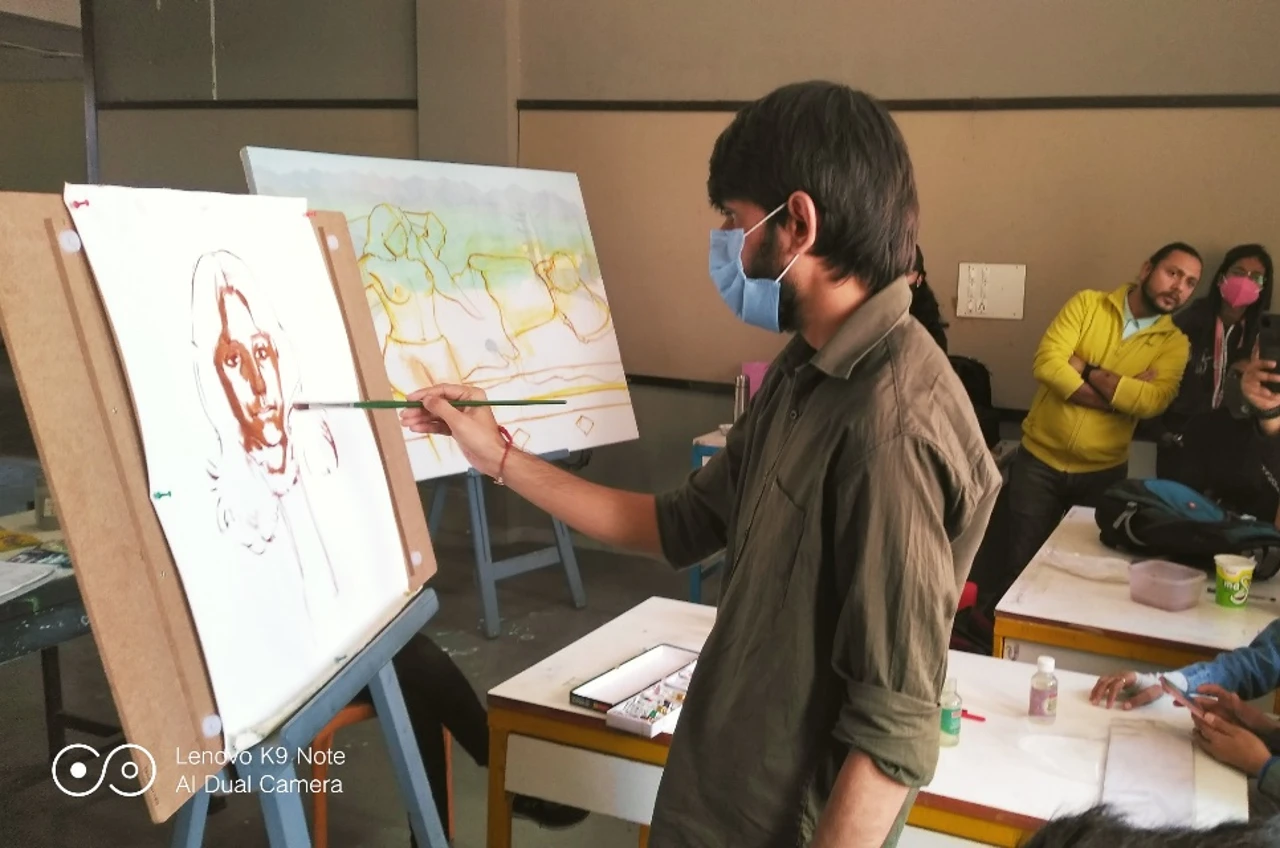
Painting Studio

- Painting Studio

This can be for the purpose of architecture, painting, pottery, sculpture, woodworking, graphic design

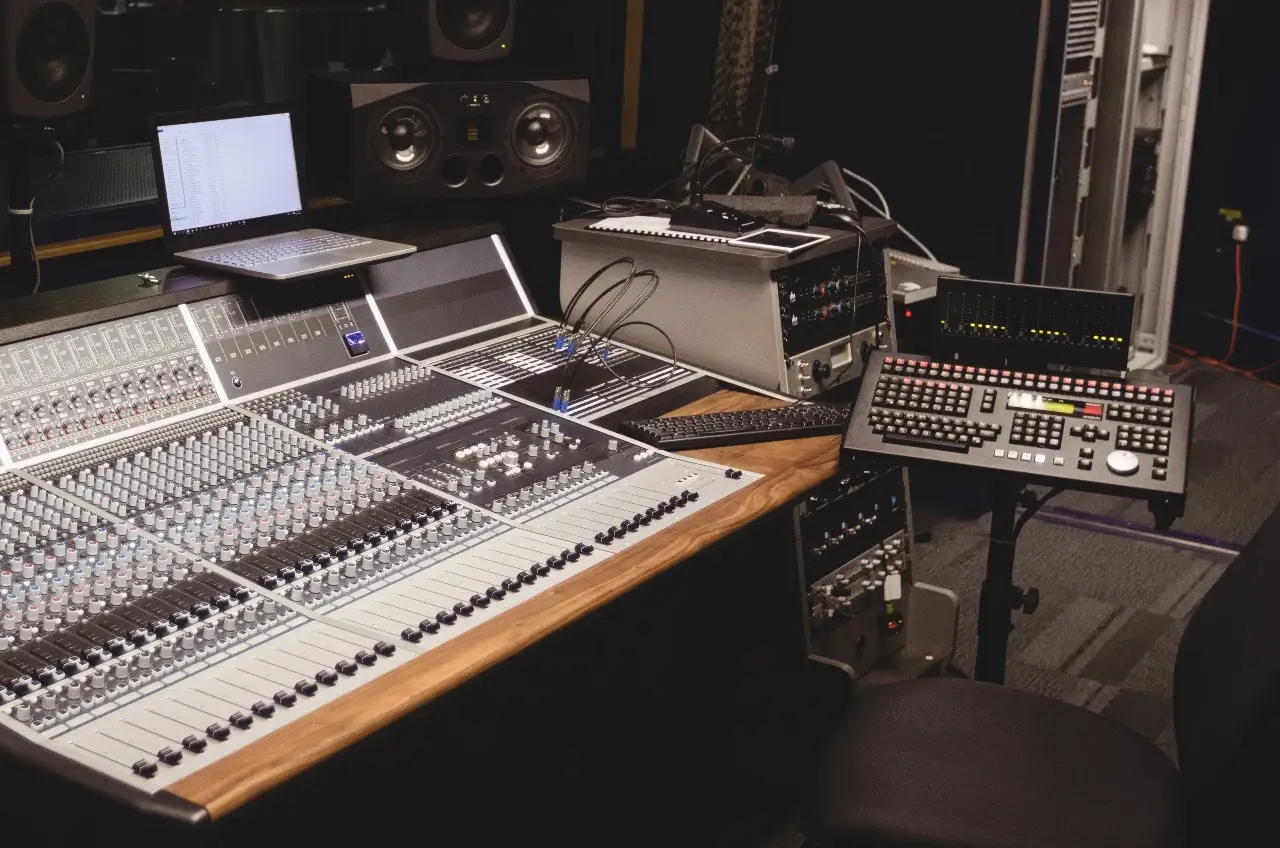
Editing Studio

- Editing Studio

Here we can edit audio and visual material such as podcasts, interviews, etc with easy to use equipment and software.

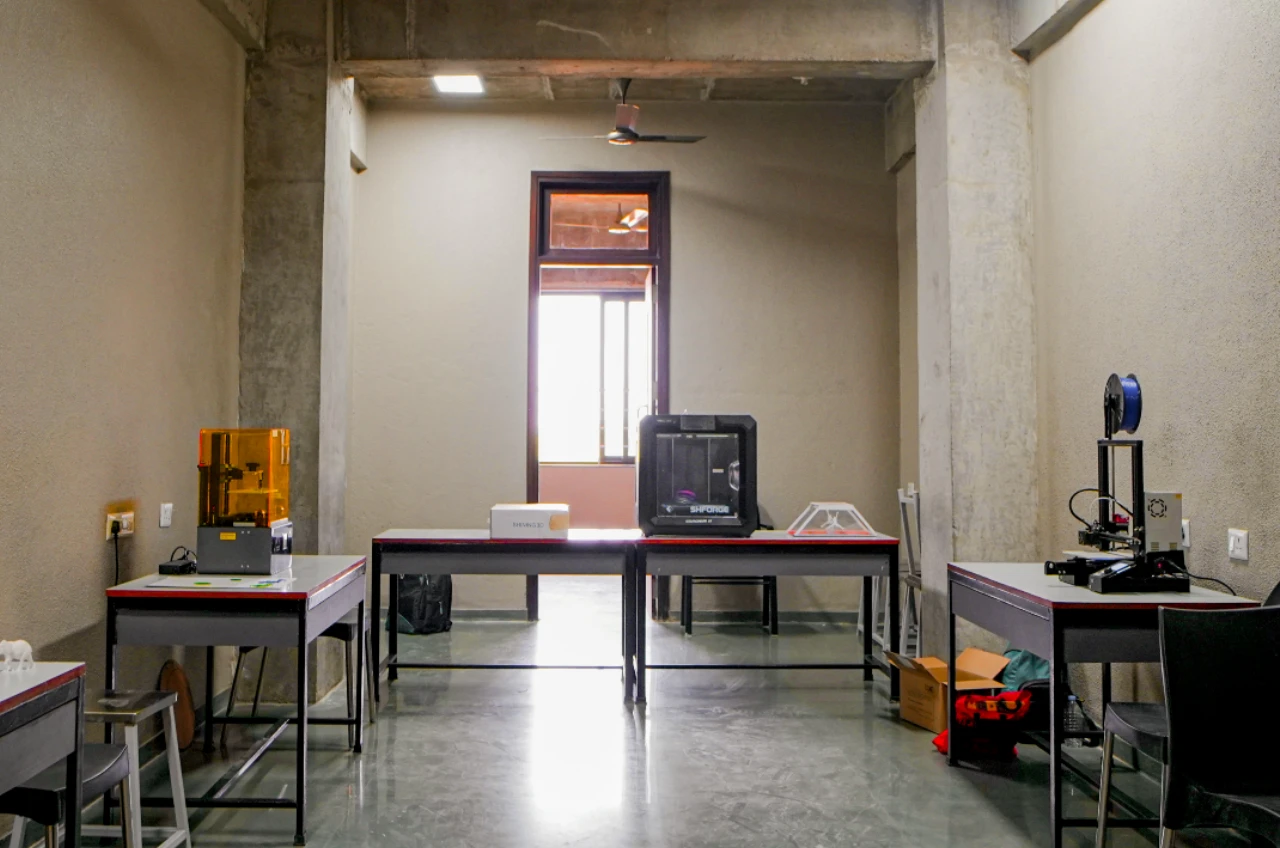
3D Printing Lab

- 3D Printing Lab

Enabling complex geometric or organic shaped parts to be designed on a computer

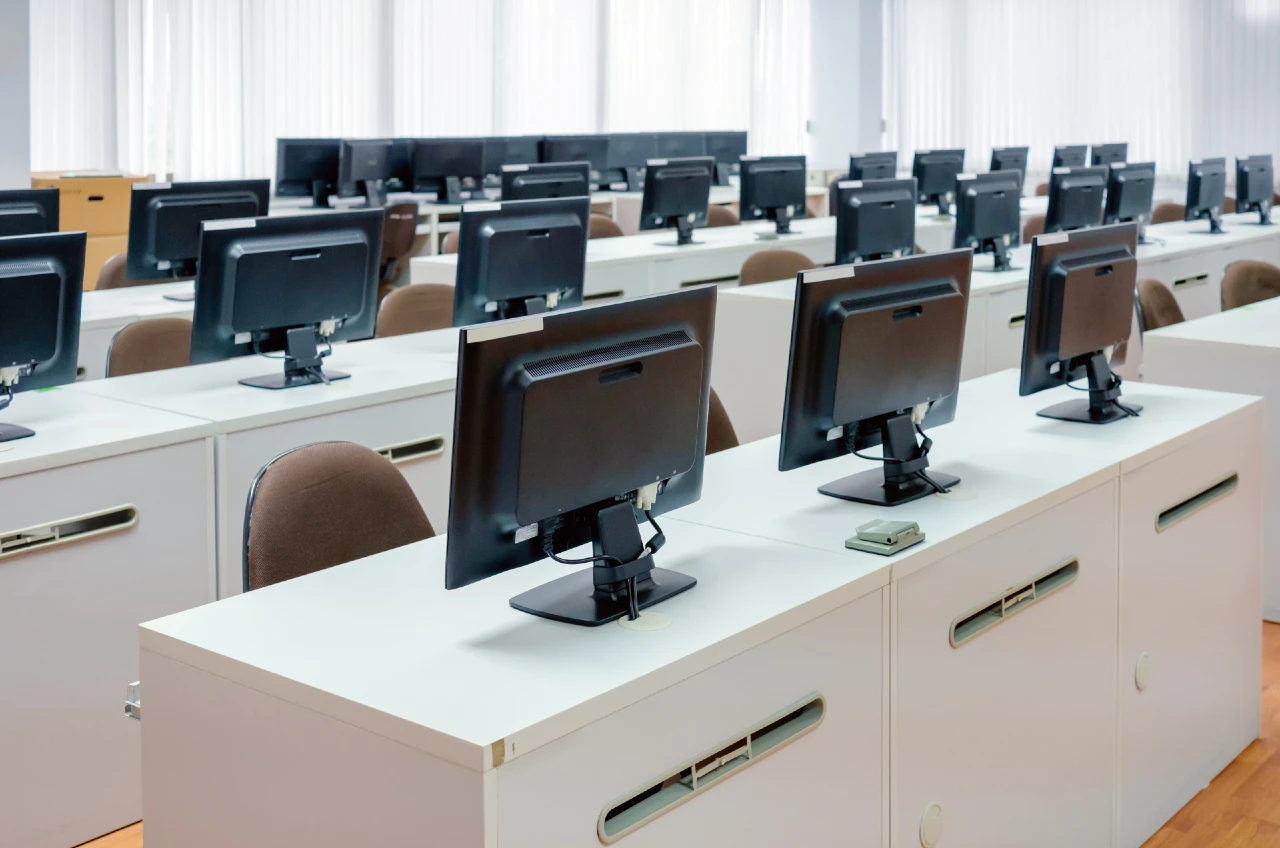
ICT–Enabled Design Spaces

- ICT–Enabled Design Spaces

There are 2 Computer labs and 2 smart classes and 1 Library which are used by all Departments

Selection Process

The selection process is held in three stages

FIRST

Design Aptitude Test (DAT)

Design Aptitude Test is an online test conducted by the Parul Institute of Design to seek evidence of the attitude, aptitude, achievement, motivation and perception essential in a potential student of design.

SECOND

Portfolio Round

After successful completion of DAT applicants need to submit their portfolios via the link provided to them.

Last Date to Register: 5th May 2025
Exam Date: 8th May 2025

APPLY NOW

FAQS

Yes. With the rapid growth of OTT platforms, digital content, advertising, and regional cinema, the demand for skilled film and television professionals has increased significantly. Careers span filmmaking, content creation, broadcasting, advertising, and digital media.
The program focuses on storytelling, cinematography, direction, editing, sound design, and production workflows. Students gain hands-on experience across pre-production, production, and post-production, preparing them for real-world media environments.
No prior experience is required. The program begins with foundational subjects that help students from any academic background develop creative, technical, and storytelling skills from the basics.
Students work on short films, documentaries, ad films, music videos, studio productions, and live projects. Industry visits, workshops, internships, and on-the-job training are integrated into the curriculum.
PID provides access to professional cameras, lighting equipment, sound recording systems, studio setups, editing suites, and post-production software aligned with industry standards.
Graduates can pursue careers as directors, assistant directors, cinematographers, editors, sound designers, producers, content creators, or media professionals in film studios, TV channels, OTT platforms, production houses, and advertising agencies.
PID emphasizes hands-on learning, industry-aligned projects, portfolio and showreel development, internships, and career guidance, ensuring students graduate with practical skills and professional readiness.
Yes. The program includes internships and on-the-job training opportunities, allowing students to gain real-world experience and industry exposure before graduation.
Admission typically involves online application submission, an entrance test (PU DAT), and a personal interaction if required. Selection is based on creative aptitude and overall performance.
Absolutely. The curriculum is designed to address contemporary formats, including OTT content, digital storytelling, and multi-platform media production, making it ideal for today’s evolving media landscape.
Enquire Now
Enquiry Form