Bachelor's Program

B.Des. in Furniture and Interior Design

Home > B.Des. in Furniture and Interior Design

Duration

4 Years

Eligibility

10 + 2

Fees Per Annum

₹3,54,000

Bachelor of Interior Design & Furniture Design

The Interior Design and Furniture Design program at PID prepares students to design functional, aesthetic, and user-focused interior environments for residential, commercial, and public spaces. The course introduces students to the fundamentals of space planning, materials, lighting, and furniture design, while helping them understand how interiors influence human experience, behaviour, and lifestyle.The curriculum is structured to balance creative exploration with technical knowledge. Students learn to translate concepts into detailed drawings, 3D visualizations, and practical design solutions while gaining exposure to current industry practices and market trends. Emphasis is placed on sustainability, accessibility, and contemporary design approaches relevant to today’s built environments.

Through hands-on projects, industry visits, field exposure, and professional interactions, students develop a clear understanding of how interior design and furniture design functions in real-world contexts. Supported by experienced faculty and industry experts, graduates build strong portfolios and professional confidence, preparing them for careers in interior design studios, architecture firms, real estate, retail, hospitality, and entrepreneurial practice.

Interior Design | Creating Experiences through Space

PROGRAM STRUCTURE –INTERIOR & FURNITURE DESIGN (B.Des)

FIRST Year

FOUNDATION YEAR

Understanding Space, Form & Design Fundamentals

  • Design fundamentals: space, form, proportion, and scale
  • Introduction to interior materials and construction basics
  • Design drawing, visualization, and ideation skills
  • Design history, contexts, and evolution
  • Craft integration, sculpting, and material exploration
  • Sustainability awareness through waste-to-worth practices
SECOND Year

SKILL ENHANCEMENT

Developing Interior Design & Technical Skills

  • Interior materials & construction technologies
  • Advanced design drawing and visual expression
  • Spatial design studios (basic and commercial interiors)
  • Furniture typology – storage systems
  • Interior services fundamentals
  • Interior styling and interior product design
  • Contemporary and global art & architecture history
THIRD Year

SPECIALIZATION & INDUSTRY-ORIENTED DESIGN

Residential, Commercial & Professional Practice

  • Residential interior design studios
  • Interior services II and advanced construction systems
  • Furniture typology – seating and transformative systems
  • Interior design apprenticeship and professional exposure
  • Project estimation, budgeting, and design documentation
  • Interior photography, advanced graphics, and presentation
  • Social, cultural anthropology and user-centric design
FOURTH Year

PROFESSIONAL PRACTICE & CAPSTONE

Independent Practice, Sustainability & Design Leadership

  • Sustainable interior design practices
  • Design research, ethics, and professional practice
  • Portfolio development and client presentation
  • Conceptual installations and adaptive spatial design
  • Graduation design studio (capstone project)
  • Industry experience and professional immersion

Curriculum

Semester 1 Semester 2
Material Matters Interior Material & Construction technology I
Designverse Craft Integration
Design: Contexts & Perspectives Design Fundamentals: Form & Space
Space Form & Structure Design Drawing Basics - I
Design Evolution Design Thinking & Ideation
Design Concepts B.Des_ID_Sem 2_25-26
Semester 3 Semester 4
Visual Expression Interior Service I
Interior Material & Construction technology II Furniture Typology- Storage Systems
Design Drawing Basics - II Design Drawing Basics - III
Spatial Design Studio - Basics Interior Material & Construction technology III
Global History Of Art and Architecture Spatial Design Studio - Commercial
B.Des_ID_Sem 3_25-26 Contemporary Interior History
B.Des_ID_Sem 4_25-26
Semester 5 Semester 6
Interior Services II Furniture Typology - Transformative System
Furniture Typology - Seating systems Project Estimation & Budgeting
Interior Design Apprenticeship Design Research
Material Trends and Techniques Design Practice & Ethics
Spatial Design Studio - Residential Portfolio & Presentation
Social and Cultural Anthropology Spatial Design Studio - Working
B.Des_ID_Sem 5_25-26 B.Des_ID_Sem 6_25-26
Semester 7 Semester 8
Sustainable Interior Design Practices INDUSTRY EXPERIENCE
Spatial Design Studio - Graduation Project  

Key Learning Outcomes of the program

Design functional and aesthetic interior environments by applying space planning, ergonomics, and user-centric design principles.

Develop interior and furniture design concepts through research, visualization, and material exploration aligned with contemporary lifestyles and Gen-Z preferences.

Translate design ideas into detailed drawings, 3D models, and technical documentation using industry-standard digital tools and visualization techniques.

Select appropriate materials, finishes, and construction methods with an understanding of sustainability, durability, and environmental impact.

Design furniture solutions that balance form, function, comfort, and manufacturability for residential and commercial contexts.

Integrate lighting, color, and spatial narratives to create immersive and meaningful interior experiences.

Apply knowledge of emerging trends, including smart interiors, modular furniture, adaptive reuse, and sustainable design practices.

Engage with real-world design processes through industry visits, field exposure, live projects, and professional interactions.

Develop strong presentation and communication skills, effectively conveying design ideas to clients, collaborators, and stakeholders.

Build a professional portfolio that reflects individual design identity, technical competence, and readiness for interior and furniture design careers.

Testimonials

Our Design Resources

Interior Design Studio

- Interior Design Studio

Avant-garde workshop equipped with cutting-edge technology and equipment to help students develop their skills.

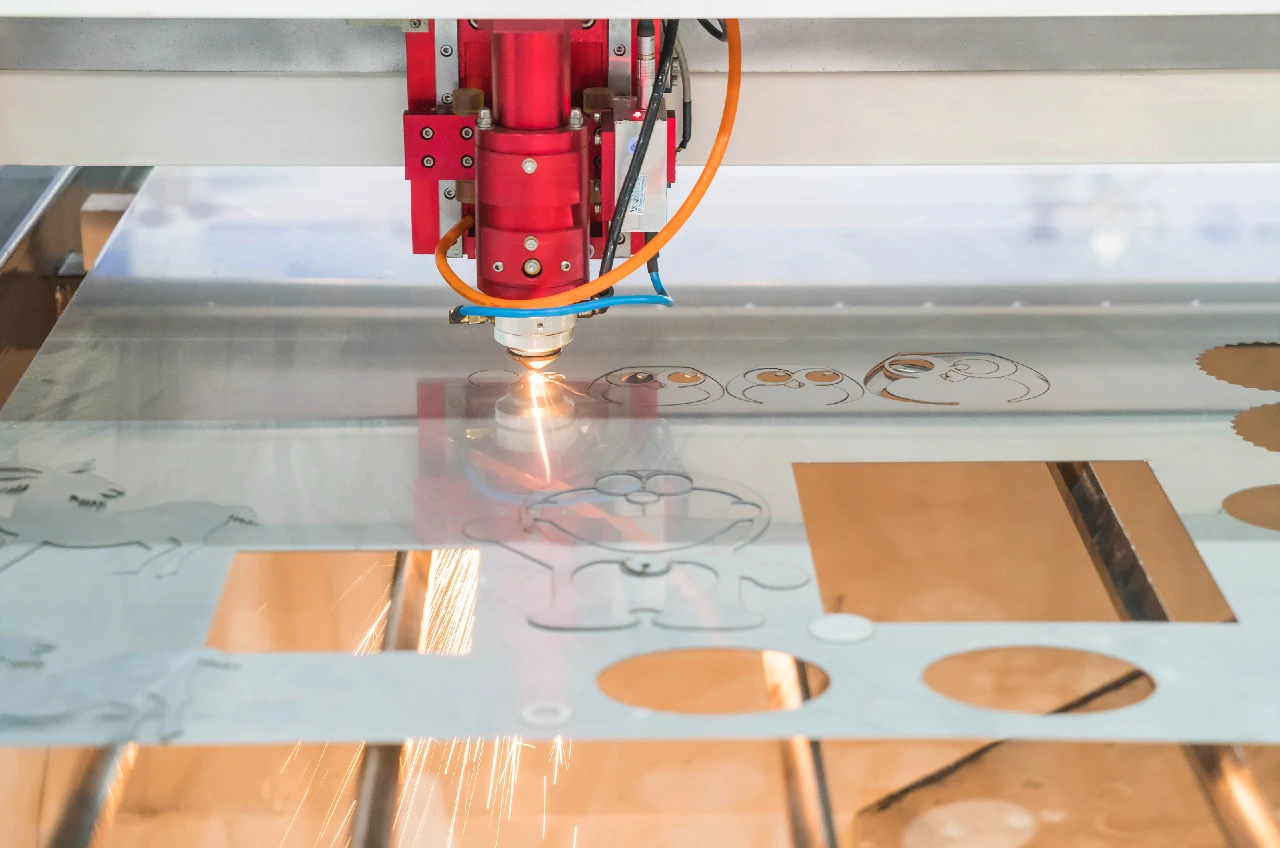
Laser Cutting Lab

- Laser Cutting Lab

These are used for engraving patterns or cutting virtually any 2- dimensional shape from thin materials such as paper products, natural textile

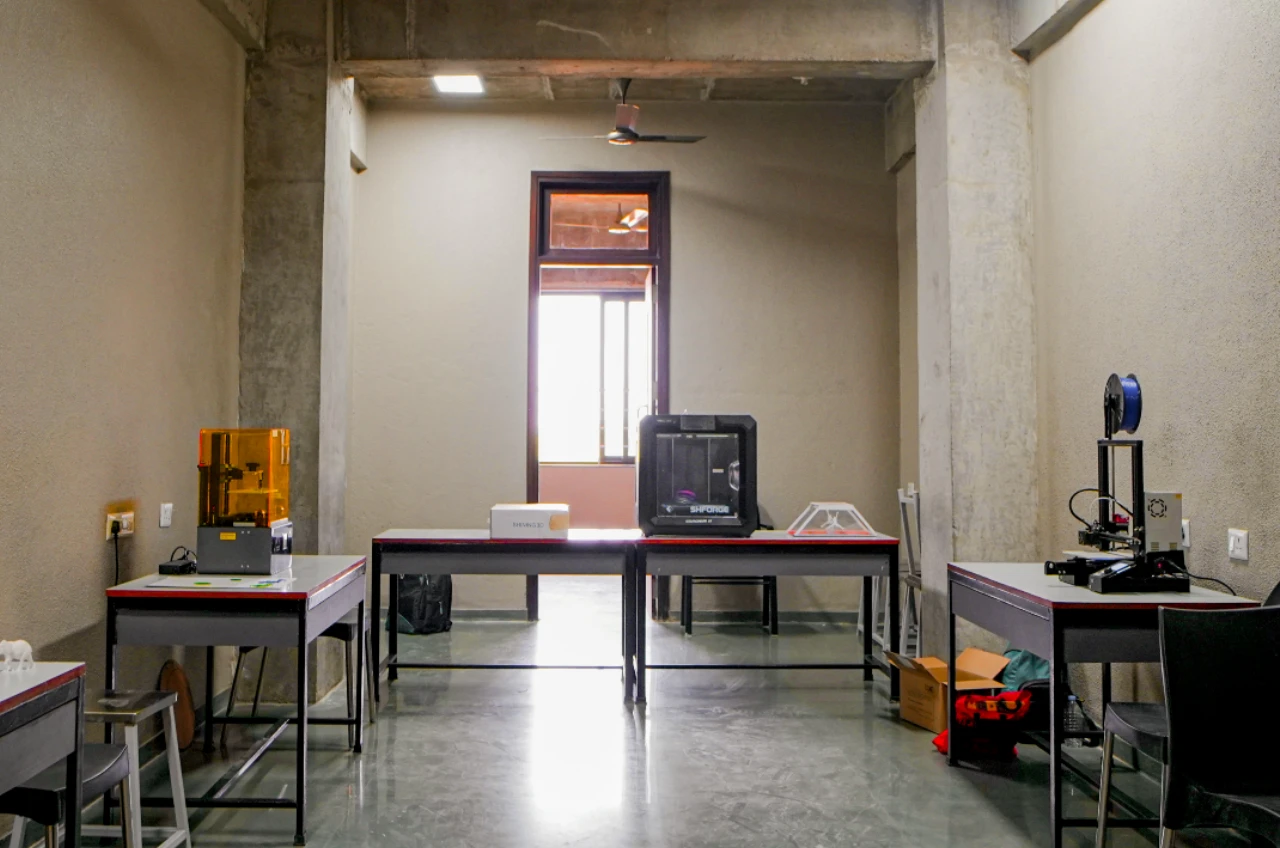
3D Printing Lab

- 3D Printing Lab

Enabling complex geometric or organic shaped parts to be designed on a computer

Wood Workshop

- Wood Workshop

For creating various forms of woodwork and furniture for the purpose of redefining and edifying unique design spaces.

Selection Process

The selection process is held in three stages

FIRST

Design Aptitude Test (DAT)

Design Aptitude Test is an online test conducted by the Parul Institute of Design to seek evidence of the attitude, aptitude, achievement, motivation and perception essential in a potential student of design.

SECOND

Portfolio Round

After successful completion of DAT applicants need to submit their portfolios via the link provided to them.

Last Date to Register: 5th May 2025
Exam Date: 8th May 2025

APPLY NOW

FAQS

Yes. Design is a growing career with opportunities across creative industries, technology, media, branding, fashion, interiors, and digital platforms. With increasing demand for user-centric and visual solutions, design professionals are highly valued across industries.
PID offers undergraduate design programs across multiple specializations in bachelor’s and diploma for Communication Design, Product Design, Fashion Design, Interior Design, and User Experience & Interaction Design with AI, aligned with current industry and creative trends. We also offer BSc (Reg. as well as Hons) in VFX /Animation and Film and Television.
PU DAT (Pimpri University Design Aptitude Test) is the official entrance exam conducted for admission to design programs at PID. It assesses a student’s creativity, aptitude, observation skills, and problem-solving abilities.
Students who have completed 10+2 (any stream) from a recognized board are eligible to apply. There is no requirement for prior design knowledge or formal training.
PU DAT evaluates creative thinking, visual sensitivity, logical reasoning, general awareness, and basic design aptitude. The exam is designed to understand a student’s potential, not their technical expertise.
A formal portfolio is not mandatory for undergraduate admissions. However, students may present sketches, creative work, or projects during the interview process, if applicable.
PID’s curriculum begins with a strong foundation year, focusing on basic design principles, creativity, and skill development, ensuring that students from all academic backgrounds can adapt and succeed.
The admission process typically includes:
  • Application submission
  • PU DAT entrance exam
  • Personal interaction or interview (if required) Final selection is based on overall performance.
Yes. PID emphasizes industry visits, field exposure, live projects, workshops, events, and internships, helping students gain real-world insights and professional experience during their program.
He/she will be required to fill the online application on the Parul University website. The application fee is Rs. 2000/- Fee has to be paid in online mode via credit card/debit card, and a printout should be taken for future reference
Enquire Now
Enquiry Form