Bachelor's Program

Bachelors of Design in Fashion Design Technology – PID

Home > Bachelors of Design in Fashion Design Technology – PID

Duration

4 Years

Eligibility

10 + 2

Fees Per Annum

₹3,54,000

Bachelor of Design in Fashion Design & Technology

The Fashion Design & Technology program at PID prepares students to design garments, textiles, and fashion systems for contemporary and global markets. The course introduces students to the creative and technical aspects of fashion, helping them understand how design, culture, identity, and trends come together to shape the fashion industry.

Students learn core skills such as silhouette development, pattern making, creative draping, textile exploration, and collection development. Through research-based processes, mood boards, and conceptual storytelling, they are trained to translate ideas into well-crafted fashion outcomes.

The program also emphasizes technical proficiency, covering garment construction, fabric science, surface design, and the use of digital fashion tools including CAD-based pattern making, digital illustration, and virtual visualization. Learning is strengthened through industry-aligned projects, styling assignments, craft and textile cluster interactions, and fashion exhibitions.

Fashion Design | Crafting Fashion for a New Generation

PROGRAM STRUCTURE – PRODUCT DESIGN (B.Des)

FIRST Year

FOUNDATION YEAR

Exploring Design, Craft & Fashion Fundamentals

  • Fundamentals of design
  • Fashion history, design evolution, and cultural contexts
  • Fashion drawing, representation, and communication skills
  • Craft study, yarn craft, and surface manipulation
  • Introduction to fashion studios and creative exploration
  • Understanding materials, textures, and basic garment concepts
SECOND Year

SKILL ENHANCEMENT

Developing Fashion Design & Technical Skills

  • Fibre to fabric, textiles, and cultural textiles of India
  • Pattern making, fit, form, and function
  • Fashion studios focusing on craft-to-wear and wearable concepts
  • Digital fashion, representation, and simulation tools
  • Fashion styling, photography, and textile design
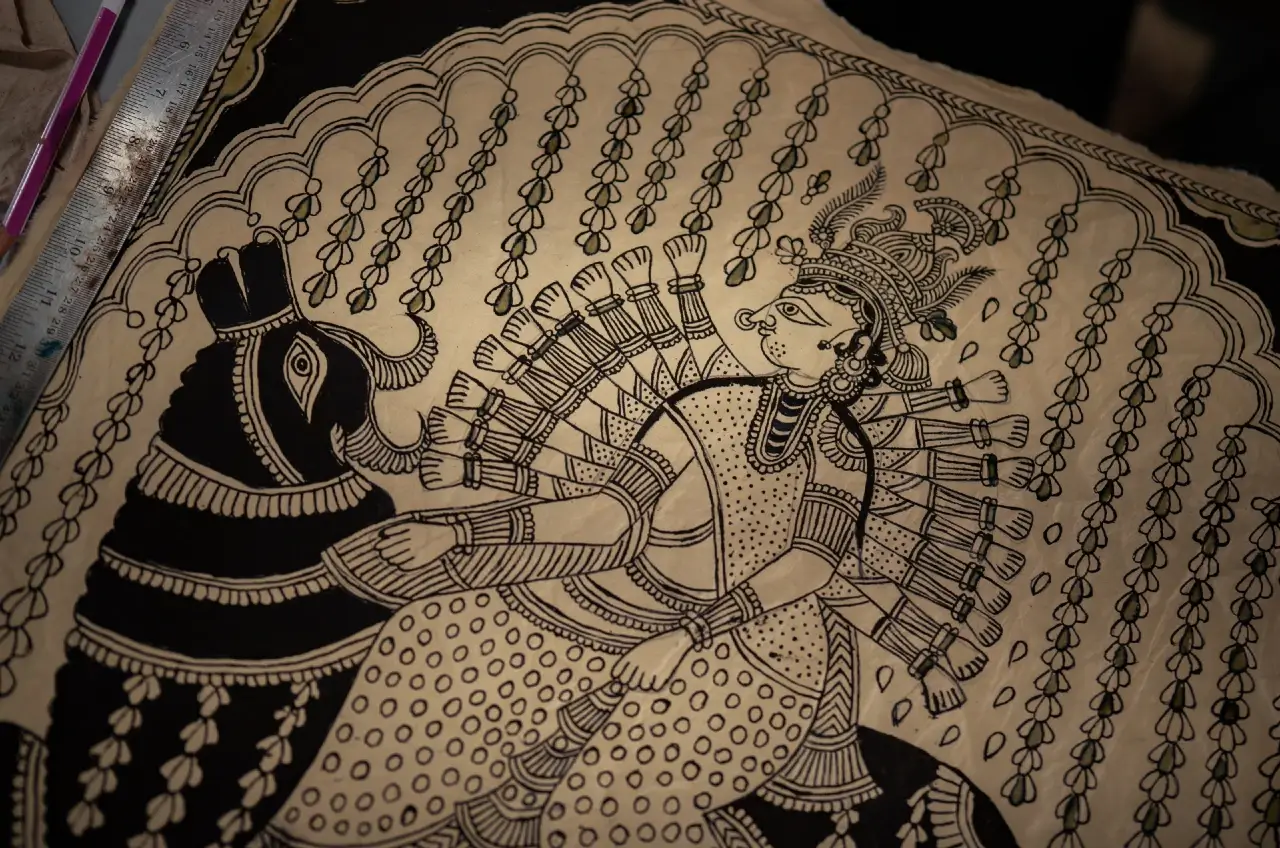
  • Traditional embroidery, painting, and printing techniques
THIRD Year

SPECIALIZATION & INDUSTRY-ORIENTED DESIGN

Industry Engagement, Innovation & Emerging Fashion Practices

  • Fashion apprenticeship and industry interaction
  • Conscious forecasting, design innovation, and fashion futures
  • Apparel merchandising and retail branding strategies
  • Fashion for social impact and sustainable practices
  • Digital production, wearable structures, and smart textiles
  • Fashion communication, storytelling, and wearable art
FOURTH Year

PROFESSIONAL PRACTICE & CAPSTONE

From Designer to Fashion Professional

  • Fashion industry internship and professional practice
  • Graduation design studio and final collection development
  • Portfolio development and personal brand building
  • Fashion entrepreneurship, presentation, and professional ethics

Curriculum

Semester 1 Semester 2
Material Matters Fashion Studio 1
Designverse Craft Study and Documentation
Design: Contexts & Perspectives Fashion Genesis
Space Form & Structure Communication and Presentation Skill
Design Evolution Fashion Drawing & Representation
B.Des_FD_Sem 2_25-26
Semester 3 Semester 4
Fashion Studio 2 Introduction to Fashion Styling
Fibre to Fabric Fashion Karkhana
Craft & Culture: An Experiential Approach Cultural Textiles of India
Digital Fashion and Representation Fashion Representation & Simulation
Design Studio -Craft to wear Creative Pattern Making
B.Des_FD_Sem 3_25-26 RTW -Fashion Fit Form and Function
B.Des_FD_Sem 4_25-26
Semester 5 Semester 6
Fashion Apprenticeship Portfolio Development
Digital Production Studio Fashion Business & Entrepreneurship
Conscious Forecasting and Design Innovation Fashion Futures: AI & Smart Textiles
Apparel Merchandising Wearable Structures: Garment Design Studio
Fashion for Social Impact Retail Branding and Strategy
DesignB.Des_FD_Sem 5_25-26 B.Des_FD_Sem 6_25-26
Semester 7 Semester 8
Fashion Industry Internship Internship & Professional Practice
The Designer’s Journey: Graduation Studio  

Highlights of the Program

Conceptualize and design fashion collections using research-driven processes, trend analysis, and storytelling aligned with contemporary and emerging market needs.

Translate creative ideas into well-constructed garments through pattern making, draping, garment construction, and fit development.

Apply knowledge of textiles, fabric science, and surface design to make informed material and sustainability-focused design decisions.

Use industry-standard and digital fashion tools, including CAD-based pattern making, digital illustration, and virtual visualization techniques.

Design with awareness of global fashion trends, consumer behavior, and market dynamics, addressing fast-changing lifestyle and cultural influences.

Integrate craftsmanship, innovation, and technology while developing fashion solutions for diverse categories such as apparel, accessories, and lifestyle products.

Demonstrate styling, presentation, and visual merchandising skills for effective fashion communication and brand storytelling.

Engage with industry practices through live projects, craft cluster interactions, and exhibitions, gaining real-world professional exposure.

Develop a strong professional portfolio that reflects individual design identity, technical expertise, and industry readiness.

Adapt to evolving fashion technologies and sustainable practices, showing continuous learning and adaptability required in the modern fashion industry.


Testimonials

Our Design Resources

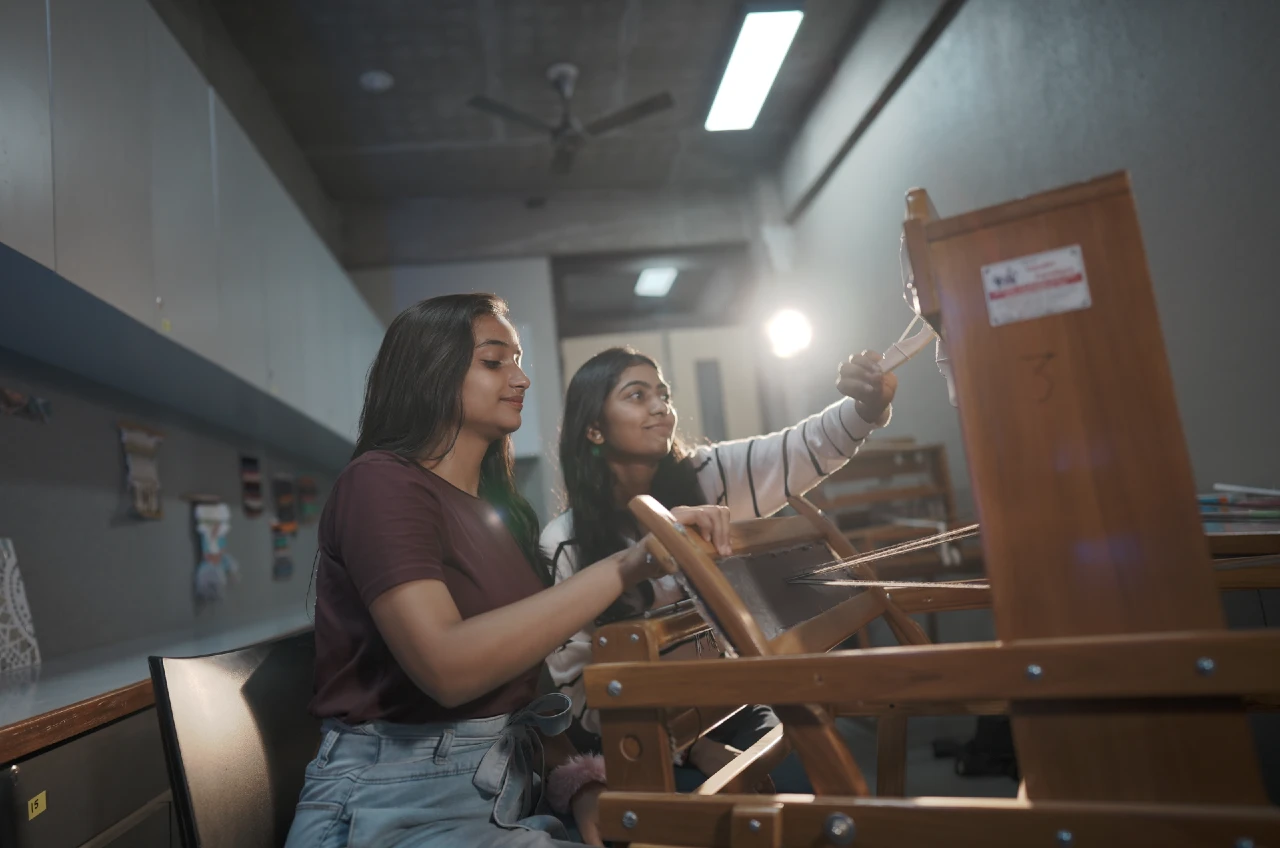
Brunnai

- Handlooms Studio

A designated space for weaving fully equipped with handlooms and various equipment for fashion garment making.

Chhaap

- Garment Printing Studio

A studio for garment printing and pattern designing for adding color and pigments to the garments though sustainable colors

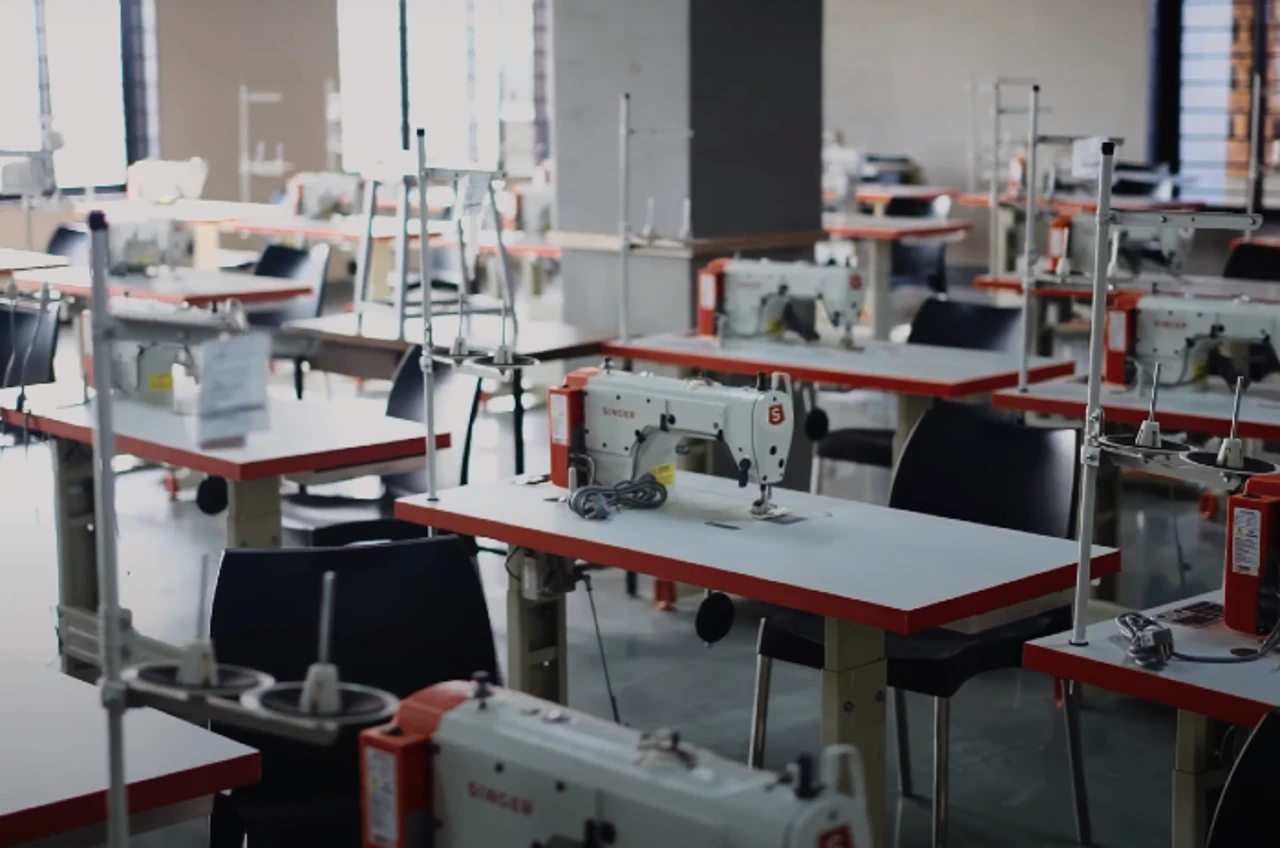
Sanchana

- Sewing Lab

Garment attachment that is designated for sewing fully equipped with over 40 singer sewing machines

Selection Process

The selection process is held in three stages

FIRST

Design Aptitude Test (DAT)

Design Aptitude Test is an online test conducted by the Parul Institute of Design to seek evidence of the attitude, aptitude, achievement, motivation and perception essential in a potential student of design.

SECOND

Portfolio Round

After successful completion of DAT applicants need to submit their portfolios via the link provided to them.

Last Date to Register: 5th May 2025
Exam Date: 8th May 2025

APPLY NOW

FAQS

Yes. Design is a growing career with opportunities across creative industries, technology, media, branding, fashion, interiors, and digital platforms. With increasing demand for user-centric and visual solutions, design professionals are highly valued across industries.
PID offers undergraduate design programs across multiple specializations in bachelor’s and diploma for Communication Design, Product Design, Fashion Design, Interior Design, and User Experience & Interaction Design with AI, aligned with current industry and creative trends. We also offer BSc (Reg. as well as Hons) in VFX /Animation and Film and Television.
PU DAT (Pimpri University Design Aptitude Test) is the official entrance exam conducted for admission to design programs at PID. It assesses a student’s creativity, aptitude, observation skills, and problem-solving abilities.
Students who have completed 10+2 (any stream) from a recognized board are eligible to apply. There is no requirement for prior design knowledge or formal training.
PU DAT evaluates creative thinking, visual sensitivity, logical reasoning, general awareness, and basic design aptitude. The exam is designed to understand a student’s potential, not their technical expertise.
A formal portfolio is not mandatory for undergraduate admissions. However, students may present sketches, creative work, or projects during the interview process, if applicable.
PID’s curriculum begins with a strong foundation year, focusing on basic design principles, creativity, and skill development, ensuring that students from all academic backgrounds can adapt and succeed.
The admission process typically includes:
  • Application submission
  • PU DAT entrance exam
  • Personal interaction or interview (if required) Final selection is based on overall performance.
Yes. PID emphasizes industry visits, field exposure, live projects, workshops, events, and internships, helping students gain real-world insights and professional experience during their program.
He/she will be required to fill the online application on the Parul University website. The application fee is Rs. 2000/- Fee has to be paid in online mode via credit card/debit card, and a printout should be taken for future reference
Enquire Now
Enquiry Form