

Program details overview
Bachelor of Science in Biotechnology
Parul University’s B.Sc. in Biotechnology program is designed to provide students with in-depth knowledge of molecular biology, genetic engineering, and biochemical techniques. The curriculum integrates theoretical learning with hands-on laboratory experience, research opportunities, and industry exposure, preparing students for careers in pharmaceuticals, healthcare, agriculture, and research institutions.
This program is ideal for students passionate about understanding biological systems, developing biotechnological applications, and contributing to advancements in medicine, agriculture, and environmental science.
Here is how you can study this program

Bachelor of Science in Biotechnology
The 3-years B.Sc. program in Biotechnology offers a solid foundation in the principles of molecular biology, genetics, microbiology, and bioinformatics. Designed to bridge biology and technology, the curriculum emphasizes both theoretical understanding and hands-on laboratory training. Students develop essential skills in techniques such as DNA isolation, PCR, electrophoresis, and microbial culturing, preparing them for careers in research labs, biotech firms, pharmaceutical companies, and healthcare industries. The program also provides a strong academic base for pursuing postgraduate studies in biotechnology and related life sciences.
Secure your place
Batch Commencing
8th July Onwards
Duration
3 years
Credits
180
Seats
60
Fee
115,000/- Per Annum
Language
English
Eligibility Criteria
Candidate shall have passed 12th Examination in Science stream from a recognized board.
*Tuition Fees may vary depending on the Country/State in which the candidate has passed their qualifying examination.
Bachelor of Science (Hons.) in Biotechnology
Aligned with the National Education Policy (NEP) 2020, the 4-years B.Sc. (Honours) in Biotechnology program offers an in-depth, research-oriented curriculum that integrates core subjects with interdisciplinary electives, skill development modules, and experiential learning. Students engage in advanced topics such as genetic engineering, proteomics, molecular diagnostics, and industrial biotechnology, along with project-based work and internships. With a focus on innovation, critical thinking, and real-world problem-solving, this program equips graduates for global career opportunities, competitive research roles, and higher education in cutting-edge areas of biotech and biosciences.
Secure your place
Batch Commencing
8th July Onwards
Duration
4 years
Credits
180
Seats
60
Fee
115,000/- Per Annum
Language
English
Eligibility Criteria
Candidate shall have passed 12th Examination in Science stream from a recognized board.
*Tuition Fees may vary depending on the Country/State in which the candidate has passed their qualifying examination.
Extend Your Learning, Walk Away with Dual Degrees
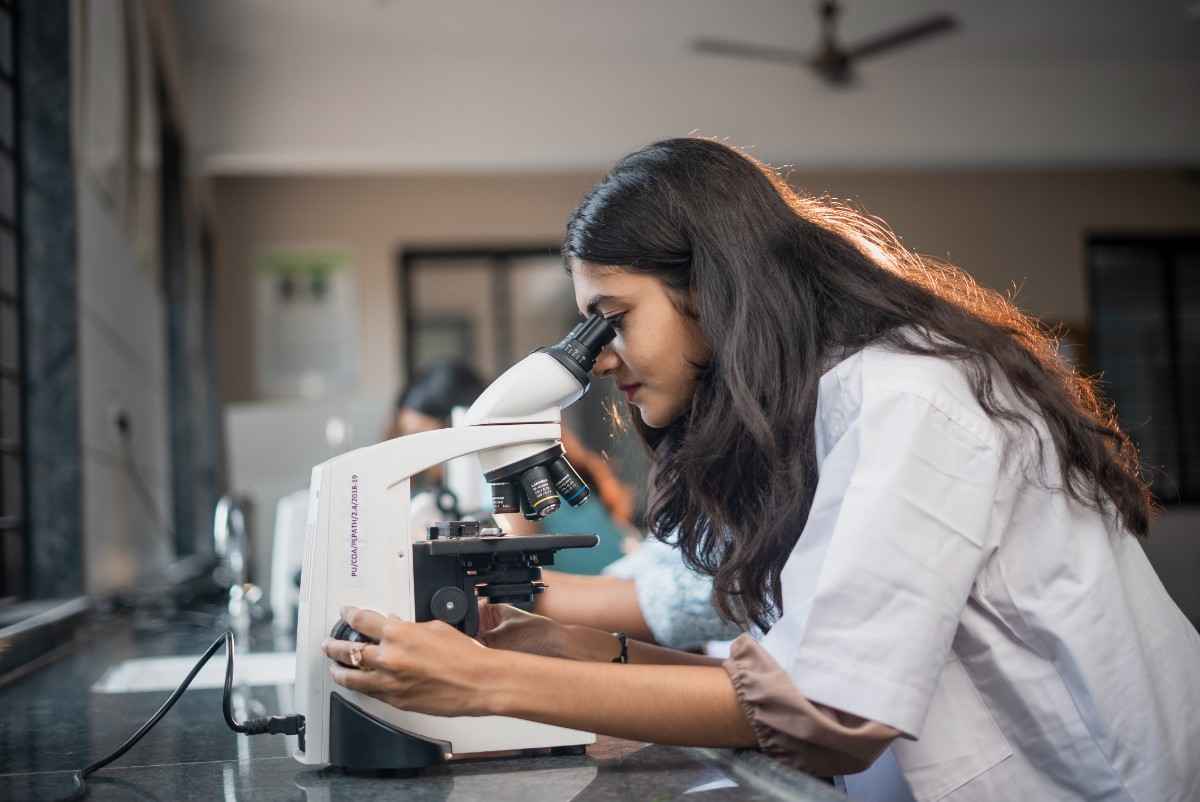
While you are studying your main degree, you can also study another degree as a dual degree program which provides you an opportunity to explore multiple fields of study. With Dual Degree you can study your main degree in physical mode and your second degree in hybrid mode with adjustable study hours
Why study this program
Be a part of a engaging learning atmosphere that gives you the tools to excel in the career of your choice.
Blend of Biology & Technology
Biotechnology combines life sciences with technological innovation to solve real-world problems in healthcare, agriculture, and environmental sustainability.
Expanding Industry Scope
The biotech industry is rapidly growing, offering career opportunities in pharmaceuticals, genetic engineering, bioinformatics, and industrial biotechnology.
Practical Skill Development
Students gain hands-on training in techniques like DNA sequencing, gene editing, tissue culture, and microbial technology through advanced laboratory sessions.
Cutting-Edge Research Facilities
Parul University provides access to high-tech biotech labs, innovation hubs, and expert-led workshops, fostering an environment for innovation and discovery.
Interdisciplinary Curriculum
The program covers molecular biology, genetics, immunology, bioprocess engineering, and environmental biotech to build a well-rounded knowledge base.
What you can become After Studying Biotechnology?

Biotechnologist

Genetic Engineer

Bioinformatics Analyst

Clinical Research Associate

Biomedical Scientist

Lab Technician

Here is the Important Information you need to Know
Find out if this is the right course for you.
Find out if this is the right course for you.

Download curriculum (Regular)
Get a complete overview of what you’ll learn, the skills you’ll build, and how the program shapes your academic journey.


Download curriculum (Hons.)
Get a complete overview of what you’ll learn, the skills you’ll build, and how the program shapes your academic journey.

Download teaching scheme
Understand how your learning is structured, from subject flow to timelines, designed to keep your progress clear and consistent.
Launch your career with our leading placements
We provide you with leading placement opportunities before you graduate, with the best career training and an exposure to leading recruiters.
4-6 LPA
Average Package
2,200+
Recruiters
60* LPA
Highest Package Offered

Give your future career a head start
Explore our facilities & resources for this program
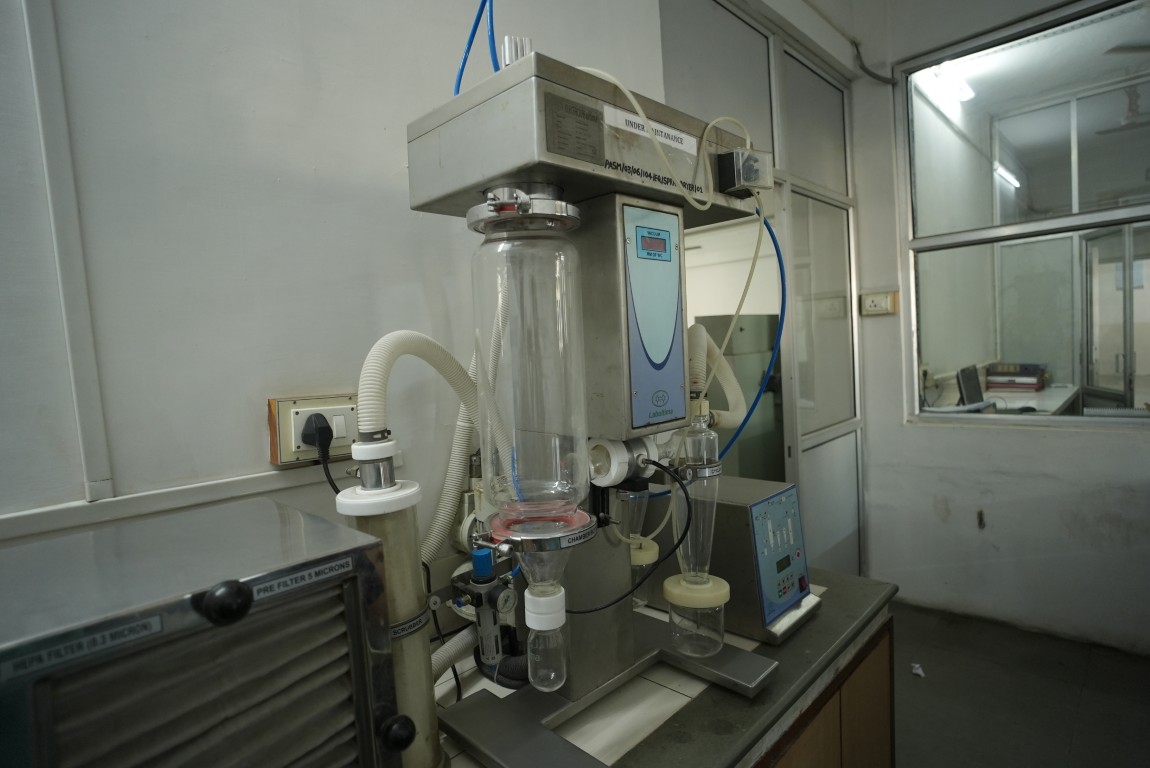
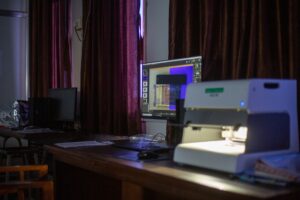
Central Instrumentation Lab
Houses high-end analytical instruments supporting multidisciplinary scientific research.
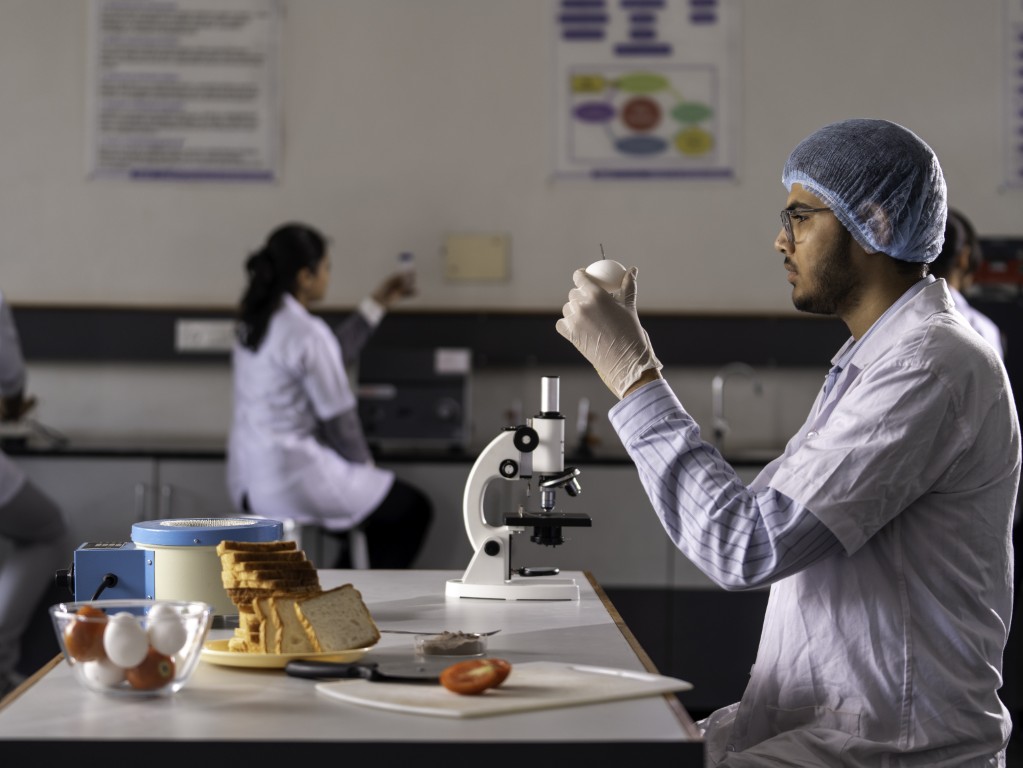
Food Technology Lab
Focuses on research and innovation in food processing, safety, and quality assurance.
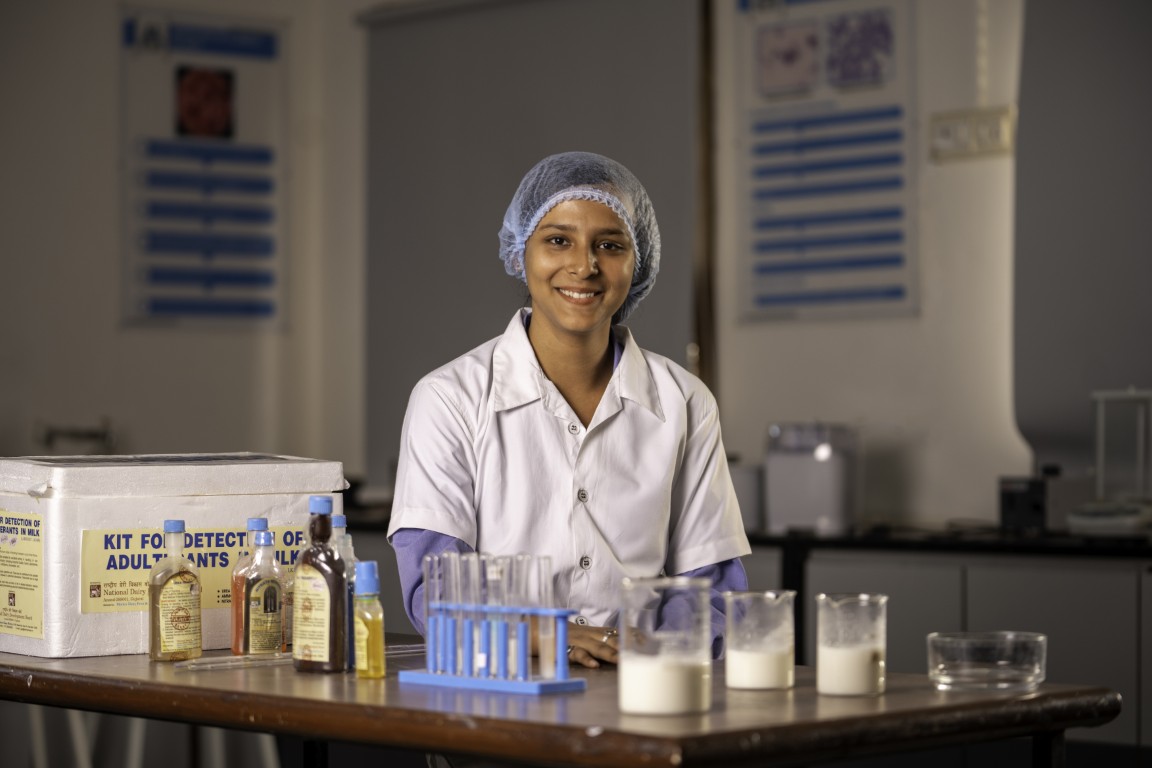
Dairy Technology Lab
Equips students with knowledge in dairy processing, preservation, and product development.
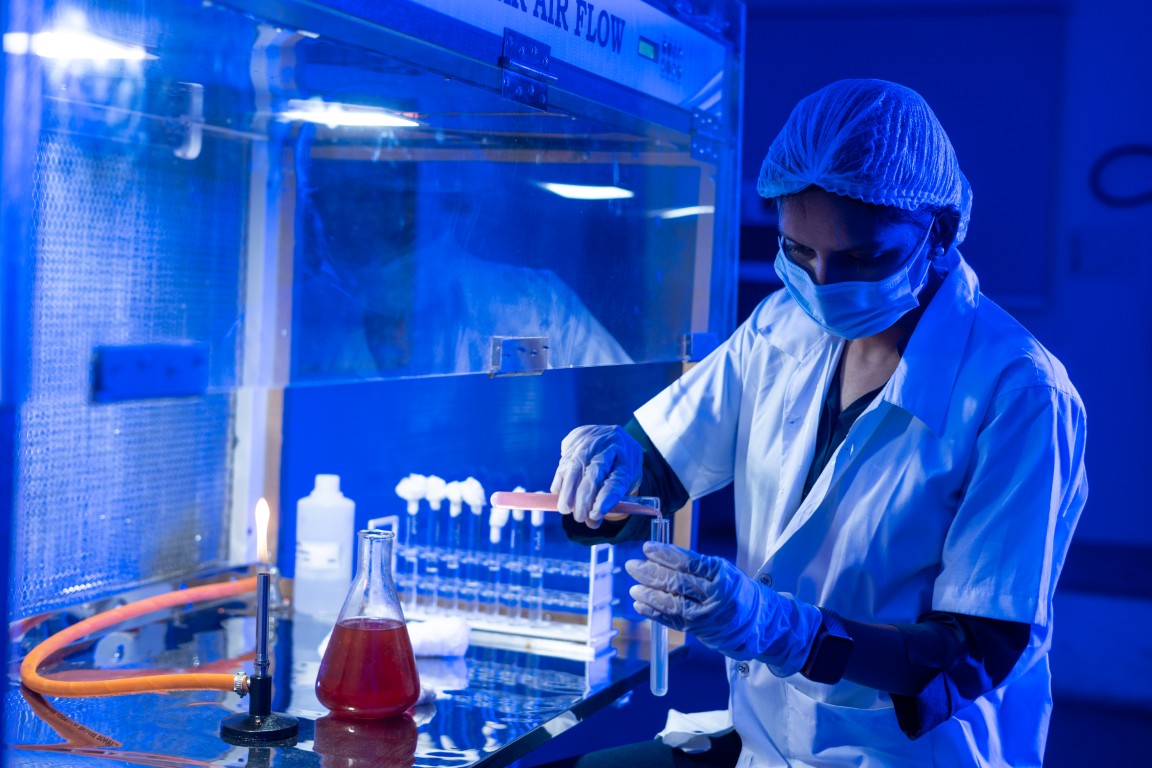
Microbiology Lab
Facilitates hands-on learning in microbial cultivation, identification, and biotechnological applications.
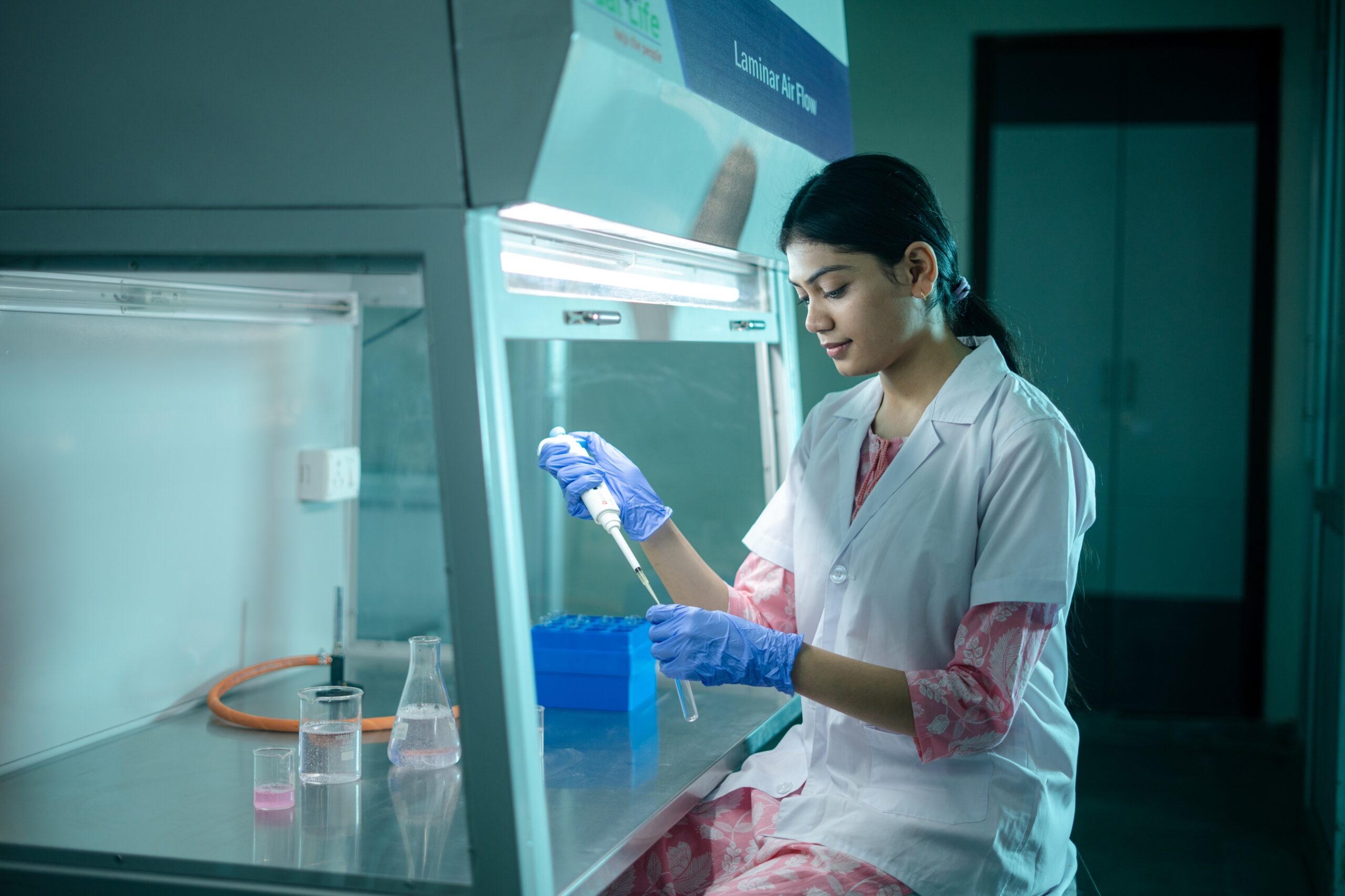
Biotechnology Lab
Encourages exploration in genetic engineering, molecular biology, and industrial biotech.
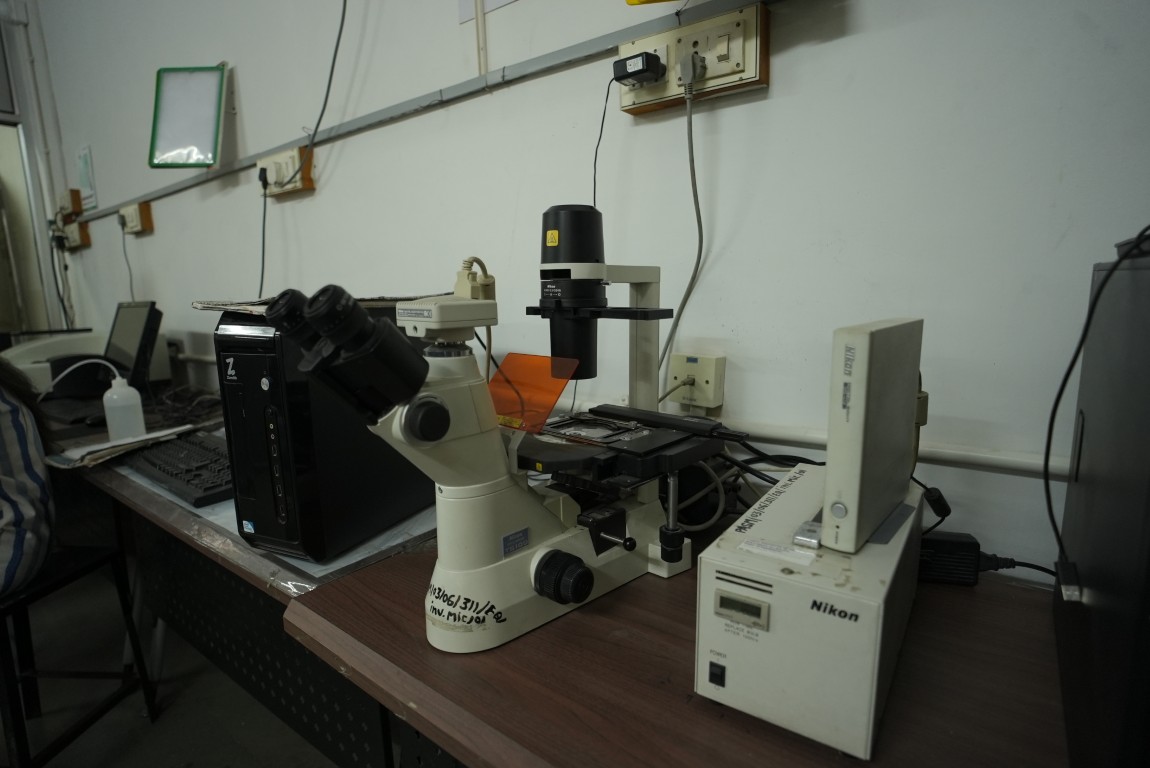
Molecular Biology Lab
Dedicated to DNA and protein research for biotechnological and medical advancements.
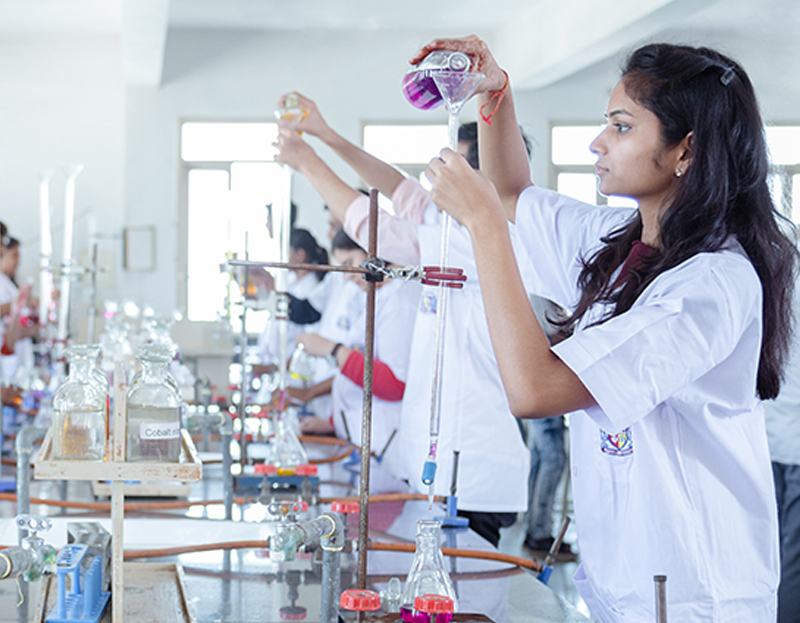
Chemical and Industrial Chemistry Lab
Supports experimentation in synthesis, analysis, and process chemistry.
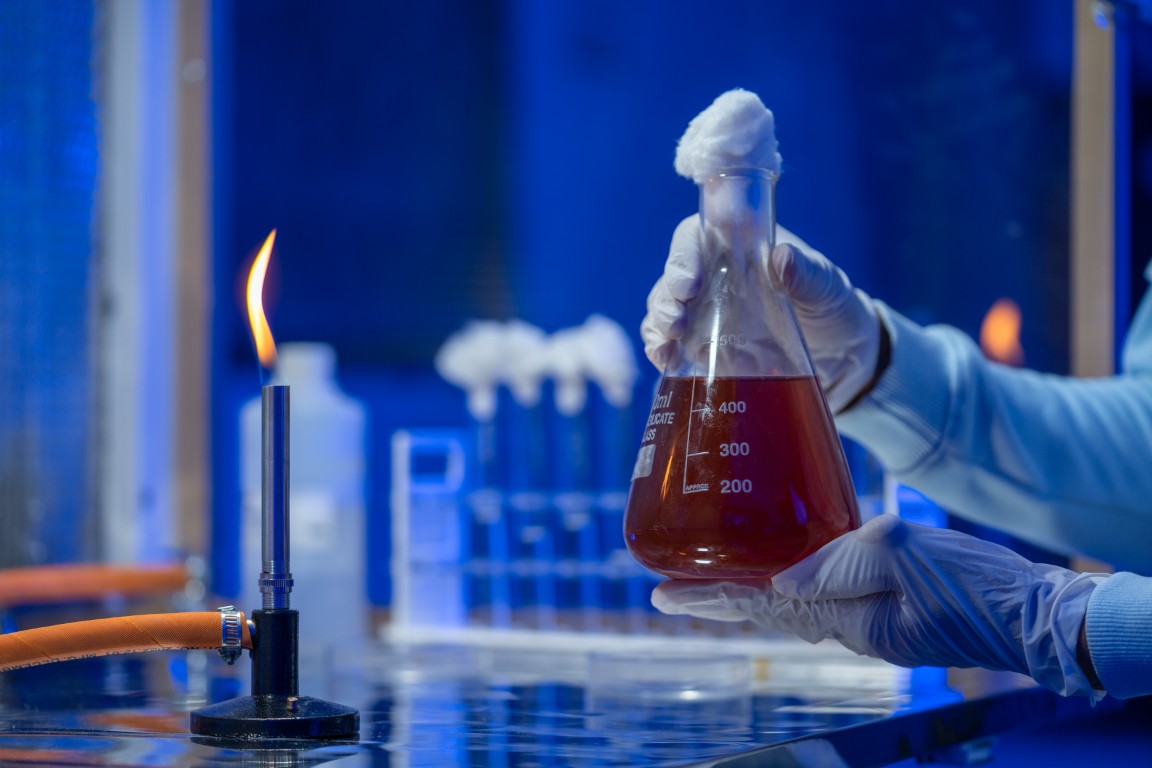
Geology Lab
Provides resources for studying earth materials, mineralogy, and geological mapping.
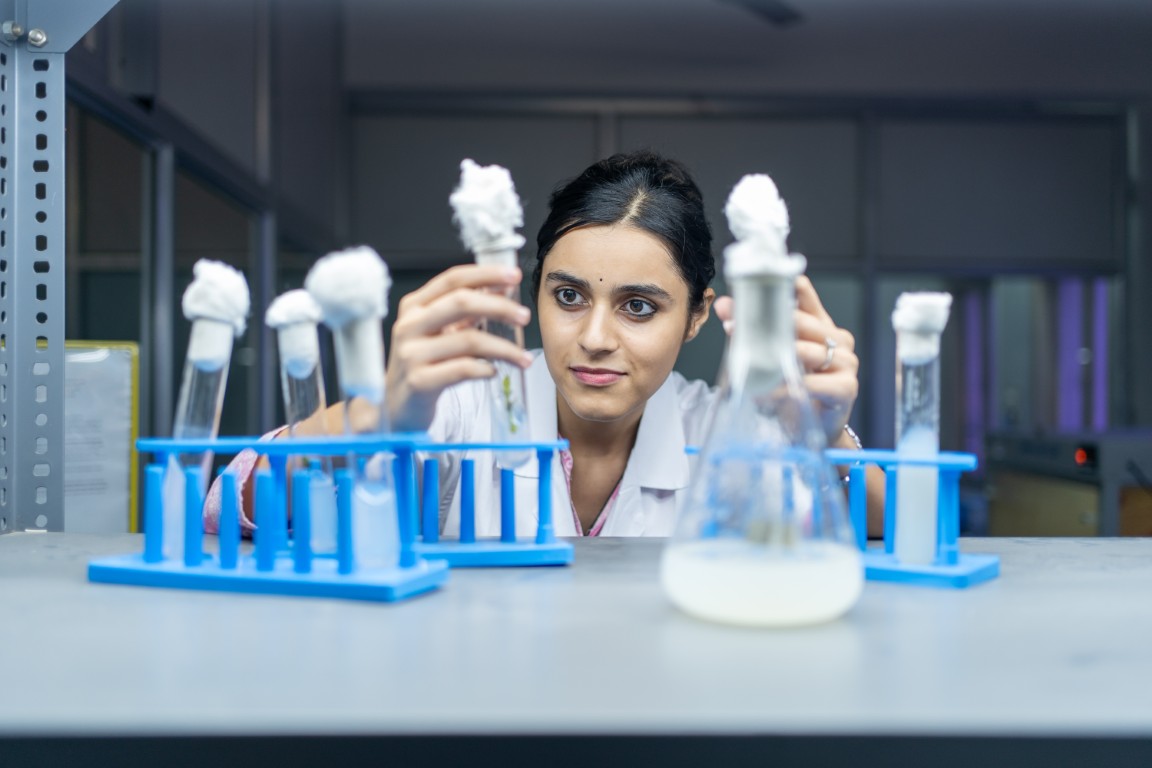
Soil & Science Lab
Enables practical analysis of soil composition for environmental and agricultural research.
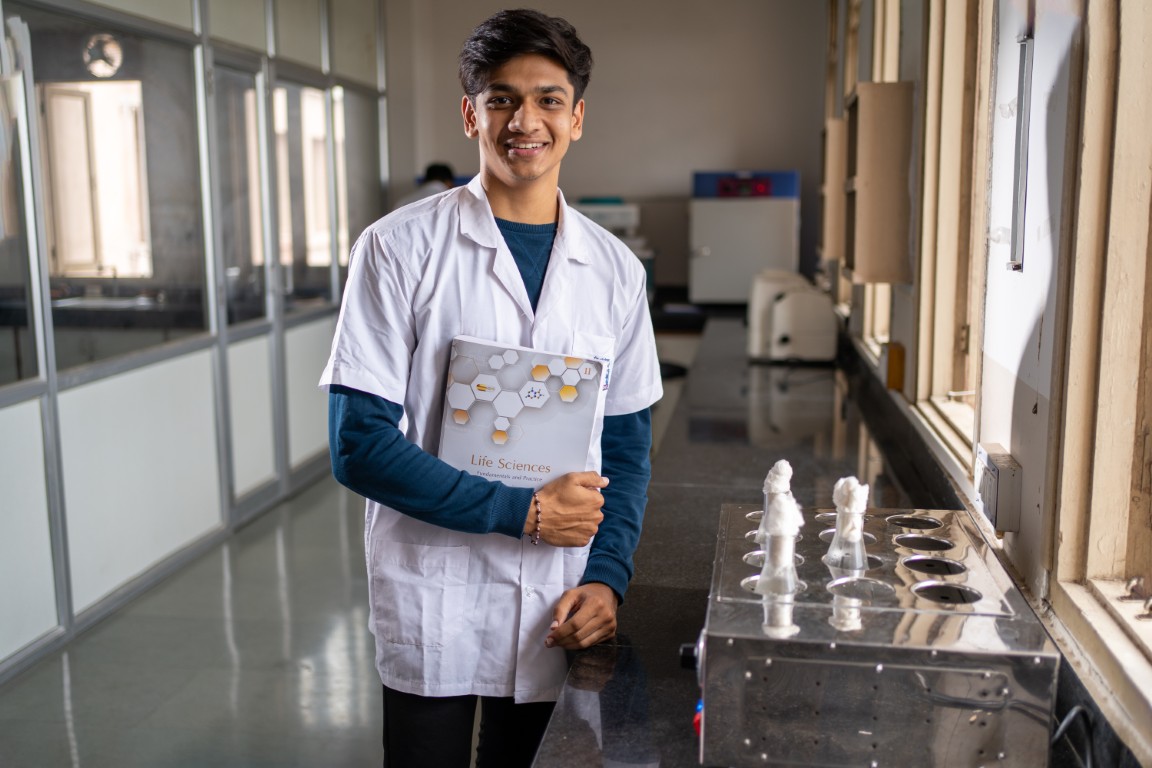
Environmental Science Lab
Focuses on environmental testing, pollution analysis, and sustainability projects.
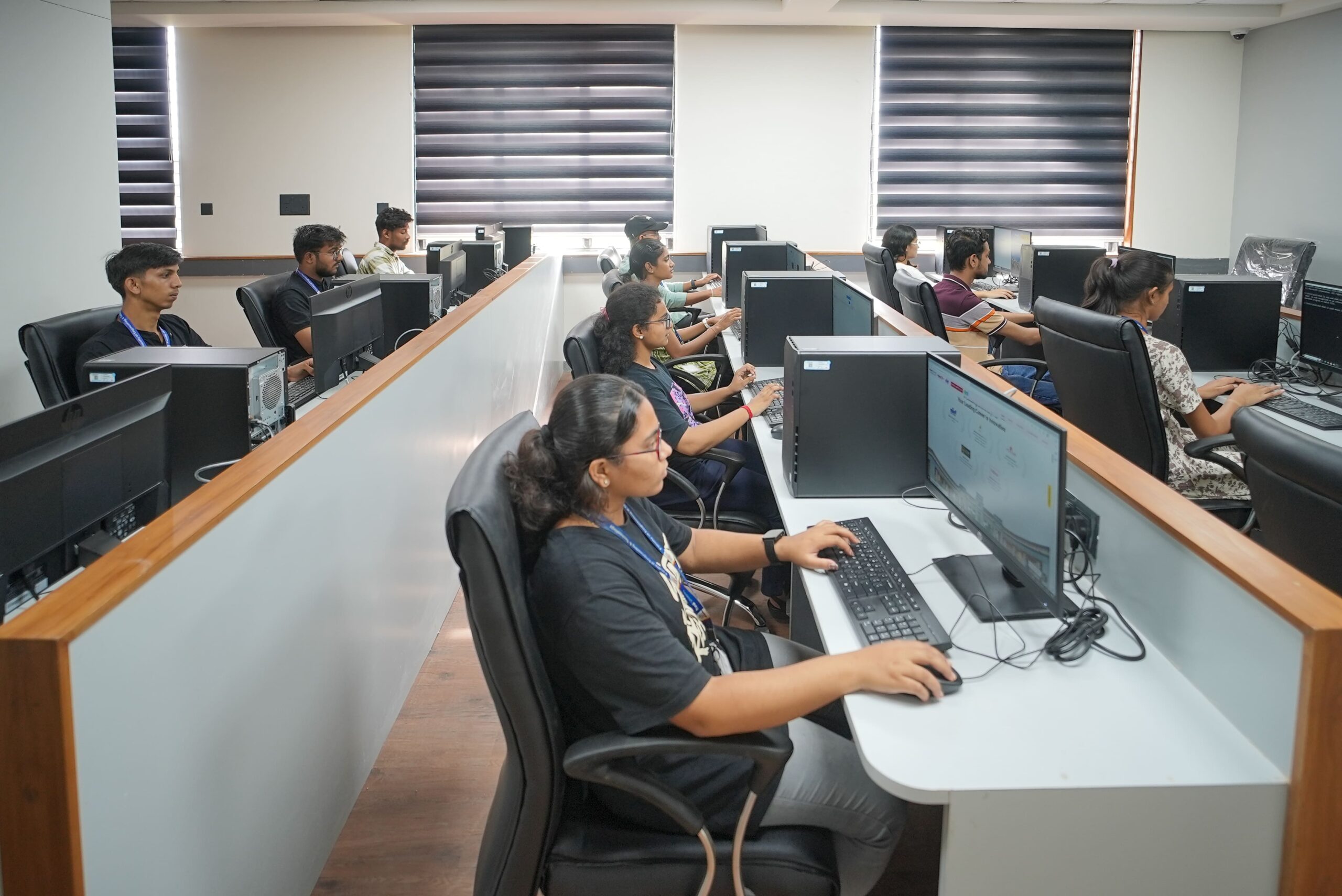
Computer Lab
Facilitates computational data analysis, simulations, and research in applied sciences.

Forensic Science Lab
Provides real-world training in evidence analysis and criminal investigation techniques.
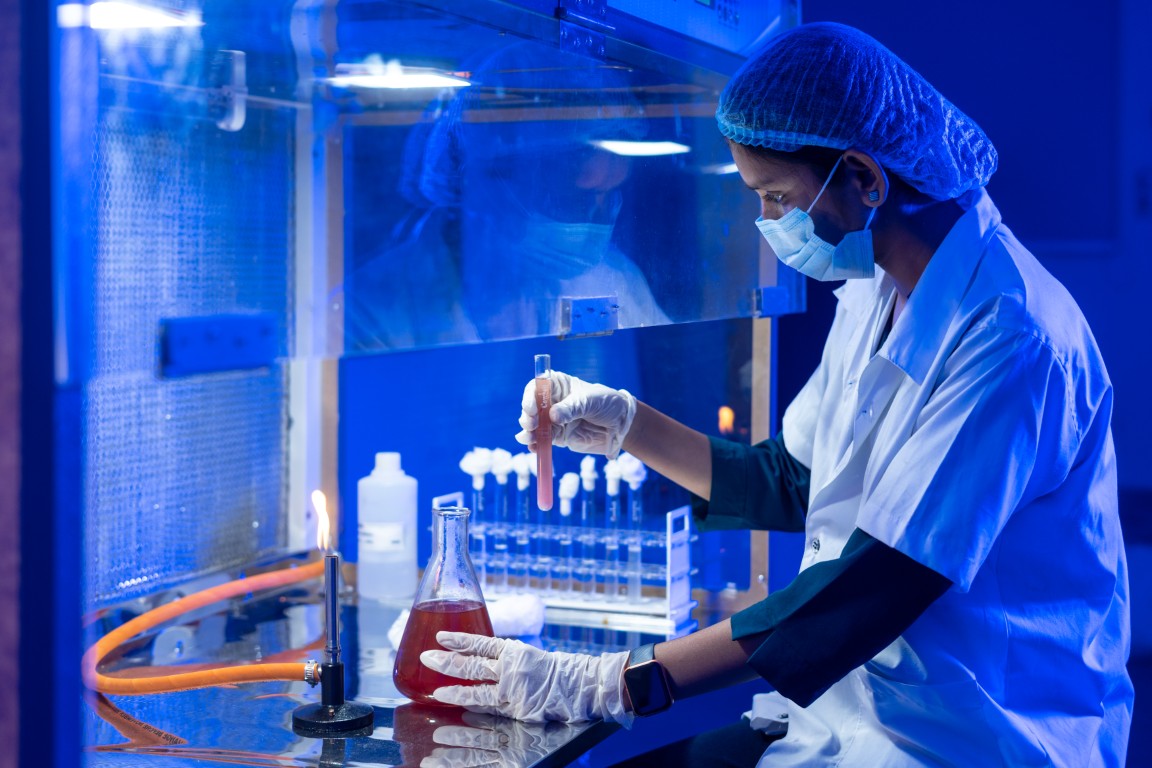
Animal and Plant Tissue Culture Lab
Supports advanced cell culture research in plant and animal biotechnology.
Scholarships & funding
Financing and supporting your education
Get information on the various scholarships, grants, and student loans you can avail to fund your dream education.

Meritorious scholarships
Recognising academic excellence by providing scholarship opportunities to those who exceptionally pass board and entrance exams
Know more


Sports scholarships
Recognising athletic excellence by providing scholarship opportunities to those who have achieved distinction in sports at State, National, or International levels.
Know more

Alumni scholarships
Fostering lifelong connections by providing scholarship opportunities to the wards of PU alumni to continue the legacy of excellence.
Know more

Defense scholarships
Honoring the families of defense service persons by providing scholarship opportunities to their wards to study at PU
Know more

Stay up to date with Biotech Advancements
Affordable Diagnostics: How Students Can Build a Diagnostic Startup!
The most advanced genetic tests can cost tens of thousands of rupees, putting them far out of reach for the mass, accessible screening that could help the most people. At Parul University, students were challenged to solve exactly that problem: to build affordable, PCR-based diagnostic tools, and were shown how to fund and launch them.
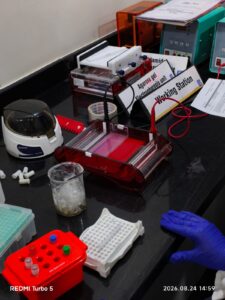
PCR Failures & Fixes at PCR Workshop by Parul University!
No matter how hard you try, you have followed the protocol perfectly and still got a blank gel. Well, it happens to everyone. Hence, the good news is that PCR failures occur in predictable ways, and a well-skilled and experienced scientist can read the gel to trace the error and figure out its root cause. Here is a practical guide to the five kinds of PCR failure and how to fix each one.
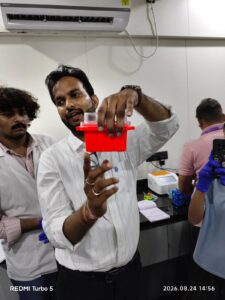
RFLP, Restriction Enzymes, and DNA Fingerprinting By the Experts of Parul University!
How can DNA identify a person, a pathogen, or a suspect at a crime scene? The classic answer is RFLP, a technique that cuts DNA into a unique pattern using “molecular scissors.” Here is what restriction enzymes, RFLP, and DNA fingerprinting actually are and how they turn a strand of DNA into an identity.
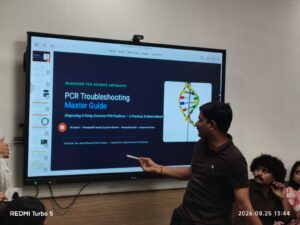
What Is Gel Electrophoresis? How Scientists Read DNA on a Gel
DNA is invisible to the naked eye, so how do scientists actually “see” it and confirm they copied the right piece? The answer is gel electrophoresis, an elegant technique that sorts DNA fragments by size and turns them into visible bands you can read like a ruler. Here is how it works.
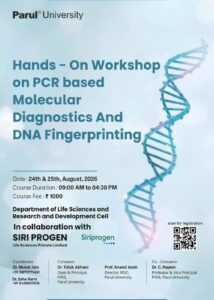
Hands-On PCR & Molecular Diagnostics Workshop: Two Days From Blood to DNA Fingerprint at Parul University.
In these two intensive days, students from Parul University took up the skills that most students in life sciences read about: extracting DNA from blood, amplifying it with PCR, reading their results on a gel, cutting into a DNA fingerprint, and then how to convert these skills into an affordable diagnostic startup.
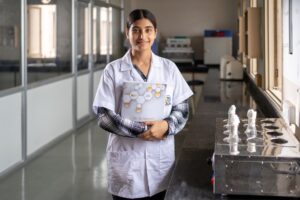
How To Choose the Right B.Sc Specialisation After Class 12
Choose a B.Sc specialisation by matching your strongest science subjects with the type of practical work, higher studies and career direction you actually want.
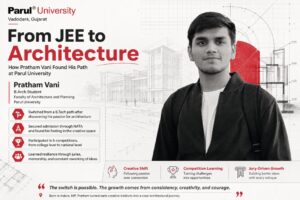
From JEE to Architecture: Pratham Vani’s Journey at Parul University
Pratham Vani, a Parul University student who applied for B.Tech and switched to architecture when his father supported him. His journey from NATA, five competitions, a bruising jury and a two-week build-up shows what studying architecture actually demands.
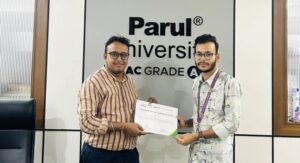
Microbial Bioactives, Reactive Oxygen Species, and the Dysbiosis Disease Map: How Dr. Anupam Jyoti, Chief Research Officer at Parul University’s Faculty of Applied Sciences and Head of the Inflammation Research Lab at PIAS, Walked Seventeen Students Through the Full Mechanistic Chain From SCFAs and the Nrf2 Pathway to Clinical Trials of Microbial Metabolites
Dr. Anupam Jyoti, Chief Research Officer at Parul University’s Faculty of Applied Sciences with a PhD from CSIR-CDRI Lucknow, 83+ publications, h-index 29, and over 3,051 citations, led the opening session of the MNRDC’s April 2026 workshop on microbial cells as green bio-foundries.
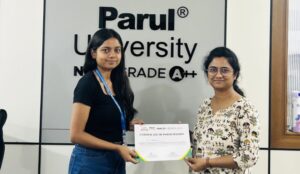
How the Five MNRDC Research-Cadre Faculty Turned a Single Day Into Working Instrument Training for Seventeen Students: Inside the Three Rotating Hands-On Stations on SEM Micrography of Microbial Cells, Microalgae Cultivation, UV-FTIR Spectroscopy, Atomic Force Microscopy, and Sputtering at Parul University’s Micro-Nano
After morning sessions on microbial bioactives and engineered biofactories, the MNRDC research cadre (Drs. Mahendra Singh Rathore, Vishal Mehta, Meenu Khan, Anwesha Khanra, and Mohit Tannarana) ran three afternoon stations on SEM, microalgae, UV-FTIR, AFM, and sputtering.
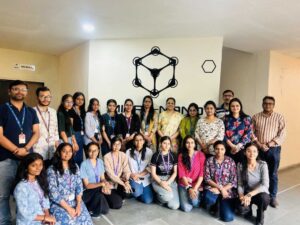
17 students of Parul University attended a 1-day exclusive workshop on Microbial Cells as Green Bio-foundries by Parul University’s MNRDC. They explored Immunomodulatory bioactive, engineered biofactory strain design, and hands-on SEM, UV-FTIR, AFM, algae cultivation, and sputtering stations!
MNRDC of Parul University hosted an exclusive 1-day workshop on Microbial cells as Green Bio-foundries for therapeutics & environmental remediation. This exclusive workshop was hosted on 11th April 2026 with guest speakers Dr Anupan Jyoti & Dr Gunjan Sharma.
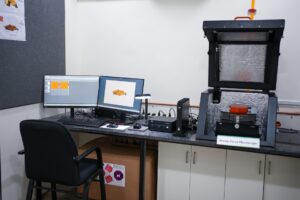
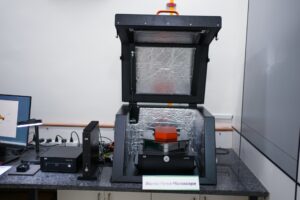
What an AFM Report From MNRDC of Parul University Actually Contains: MountainsSPIP Software, 50+ ISO Roughness Parameters, Grain Size Histograms, and How to Interpret the Excel Output for Coatings, Pharma, and Electronics Research
Nanosurf Core AFM at MNRDC, 145+ samples analysed. Standard deliverables: 2D topography image, 3D surface image, Excel sheet with 50+ ISO S-parameter roughness values, roughness graph. MountainsSPIP commercial license for professional image analysis and grain size histograms. Tapping (dynamic) mode primary. 10 x 10 micrometre scan area, 256-line resolution, 0.78 seconds per line. No powder samples directly; powders must be compacted into flat tablets.
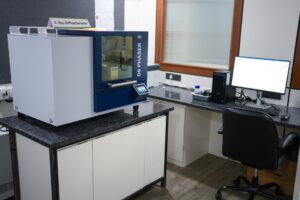
XRR for Thin Film Thickness, GIXRD for Surface Coatings, TOPAS for Quantitative Phase Analysis, and Origin for Publication-Ready Graphs: Advanced XRD Capabilities at MNRDC, Parul University
Bruker D6 PHASER at MNRDC: standard XRD (phase ID, Bragg’s Law, 10-80 degree range) plus four advanced capabilities. XRR measures thin film thickness (1-500 nm), roughness, and density. GIXRD analyses surface coatings without substrate interference. TOPAS performs Rietveld refinement for quantitative multi-phase analysis. Origin generates publication-ready graphs. 600+ samples analysed. ICDD PDF-4 database for material fingerprinting.
Gujarat Industrial Policy 2020, Rs 1.49 Crore Equipment Grant, Rs 1.17 Crore Center of Excellence: How State Government Funding Built MNRDC at Parul University and What the Investment Has Produced
MNRDC funding – Rs 1.49 crore from the Industries Commissionerate, Government of Gujarat under GIP 2020, Scheme for Assistance for R&D Activities for equipment. A second grant of Rs 1.17 Crore was granted for the Centre of Excellence in Advanced Manufacturing. Summing up as 2.66 Cr were granted by the same authority. Timeline goes like – approval in 2023, became operational from September 2024, inauguration on 5th March 2025. Holistic output – 12 instruments, 1800 samples, 14 publications, 3 funded projects in sync with ISRO, CSIR, Royal Academy UK and collaboration with IIT Ropar. Besides this, 2 international partners were onboarded, and 113 were trained!
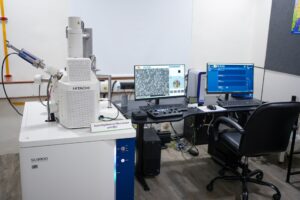
Why Researchers Prefer Centralised Testing Labs Over Fragmented Facilities: How One Roof for SEM, XRD, AFM, Sputtering, and Thermal Analysis Cuts Three Months to Ten Days Right at MNRDC, Parul University!
Before MNRDC (pre-September 2024): Gujarat researchers sent samples to Mumbai, Pune, or multiple labs across the state. Turnaround: up to 3 months. Coordination: manual, across multiple contacts, invoices, and timelines. After MNRDC: SEM + XRD + AFM + sputtering + tribometry + LCR + DSC/STA + CNC under one roof. Turnaround: 10 days standard, 1 day urgent. Deposit a film on Auto 500, characterise on SEM/XRD/AFM, test wear on tribometer, measure dielectric on LCR: all without leaving the building.
Why Research-Oriented Learning Matters for Science Students in 2026?
Research-based learning helps science students build thinking skills, practical knowledge, and better career growth.

