Three Failures Before One Breakthrough
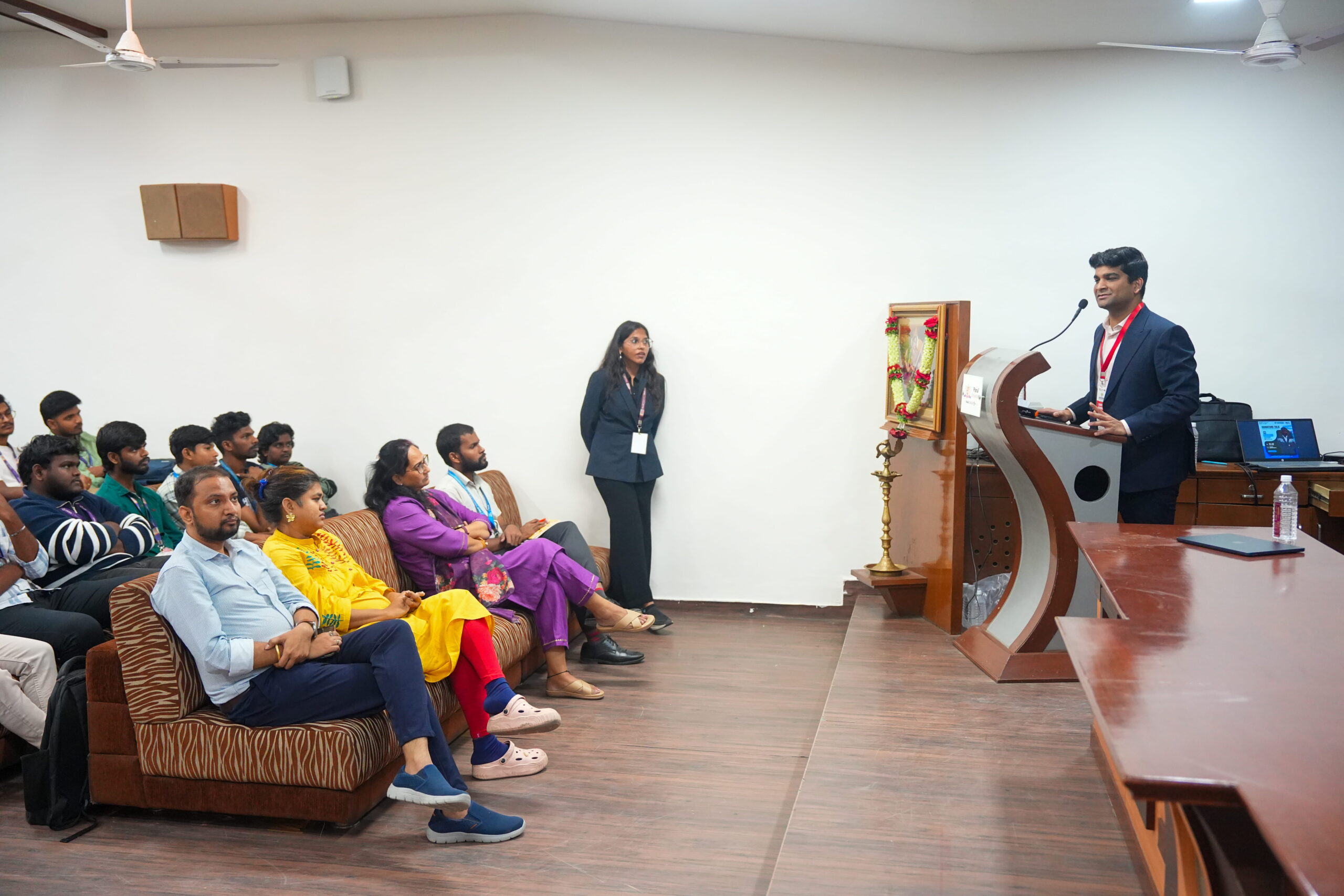
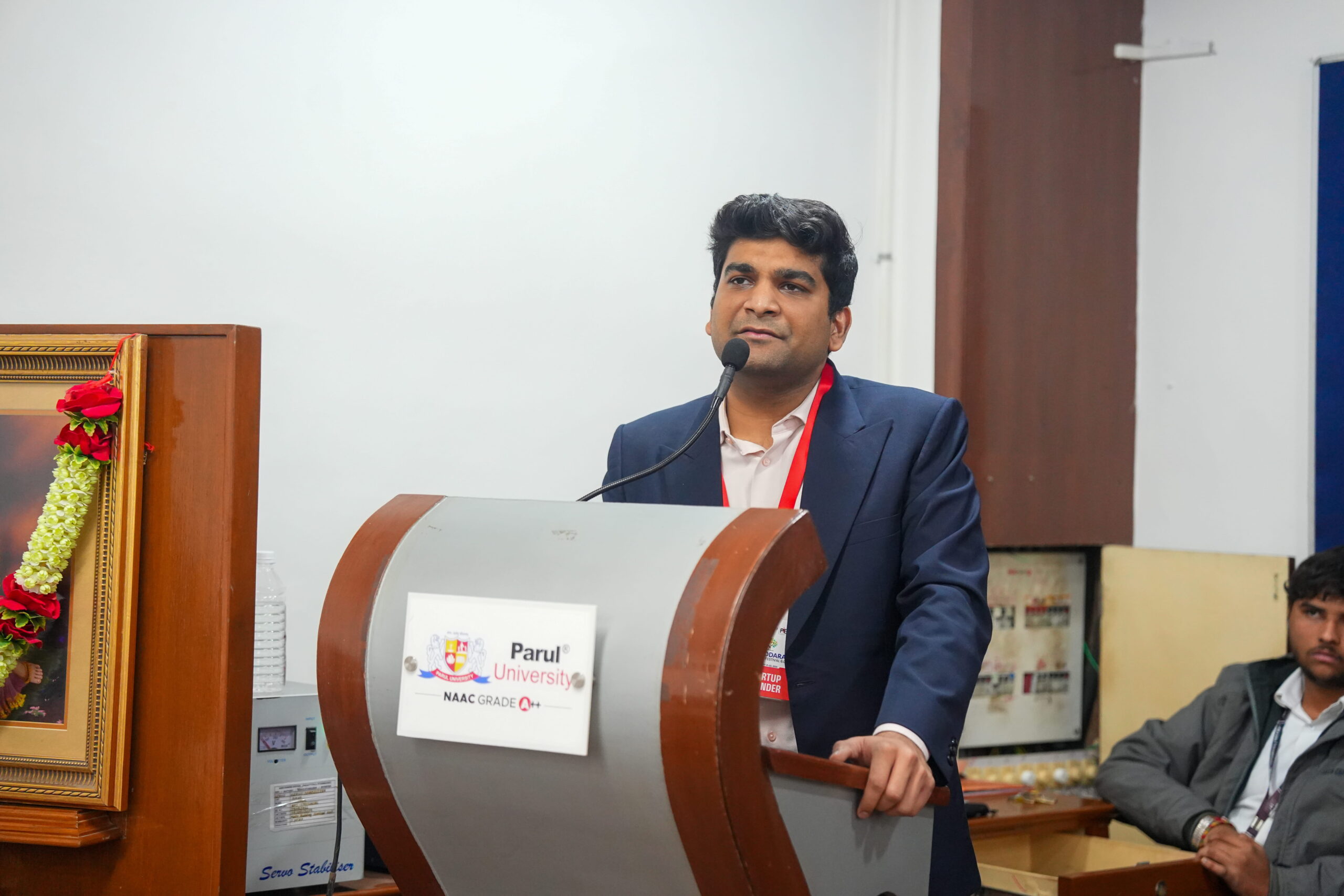
Anurag Sundarka was 28 years old when he stood on stage at Vadodara Startup Festival 6.0 and told a room full of aspiring entrepreneurs something most successful founders try to hide.
“Saralife.com made ₹20,000. Total. Not monthly, not quarterly, that’s everything we ever made before shutting down.”
The audience shifted uncomfortably. This wasn’t the typical success narrative. Where was the hockey stick growth story? The instant product-market fit? The “I knew from day one this would work” confidence?
“Then we tried Aatisbazi.in in the crackers business. Also failed,” Anurag continued, his voice steady. “After that, I tried writing a book and couldn’t even find a publisher willing to print it.”
Three failures. Three completely different ventures. Three dead ends that would make most people quit entrepreneurship forever.
Except Anurag didn’t quit. He got suspicious.
That suspicion, that quiet refusal to accept rejection as the final answer eventually built ZebraLearn, a visual learning platform that grew from ₹10 lakh revenue in 2022 to ₹10.7 crore in 2024. The company now employs 38 people, sells 10,000-20,000 books monthly, and secured ₹1 crore investment from Ritesh Agarwal on Shark Tank India Season 4 for just 1.6% equity.
But the real story isn’t the success. It’s what happened between ₹20,000 and ₹10.7 crore, the unglamorous, frustrating, character-building middle that nobody talks about.
The ₹20,000 Lesson: Markets Don't Care About Your Effort
Saralife.com seemed logical enough. People need vegetables. Delivery is convenient. Build a platform connecting vegetable sellers with customers. Scale.
Anurag and his co-founders (his now-wife and best friend who’d become his business partners) poured energy into it. Built the platform. Onboarded vendors. Marketed to customers. Revenue: ₹20,000.
“We worked so hard on it,” Anurag recalled during his VSF – Vadodara Start-up Festival 6.0 signature talk. “But the market didn’t care about our effort. They cared about whether we solved a real problem better than existing alternatives.”
The problem? Vegetables weren’t actually a problem. Local vendors were already convenient. Prices were already competitive. Quality was already acceptable. Saralife.com was a solution looking for a problem.
This distinction, looking for problem versus problem needing solution separates successful startups from failed ones.
Most founders start with: “I have this cool idea for an app/platform/service.” Successful founders start with: “I have this frustrating problem that won’t go away.”
Anurag learned this the expensive way. Months of work. Minimal revenue. Complete failure.
The conventional advice says: fail fast. Iterate quickly. Pivot immediately. The reality is messier. Failure feels slow. Each day you’re hoping something changes. Each week you’re thinking maybe next month. Each pivot feels like admitting defeat rather than strategic adjustment.
Saralife.com died slowly, not dramatically. And when it finally ended, Anurag faced a choice: give up on entrepreneurship, or extract the lesson.
The lesson: Don’t build solutions to problems that don’t exist. Start with real frustration.
The Crackers Experiment: When Passion Isn't Enough
After Saralife.com, Anurag didn’t immediately jump into another startup. He and his team explored different activities performing street plays about social issues, collecting scrap from households to sell.
These weren’t businesses. They were experiments in doing things without asking permission. In creating value without waiting for someone to hire you.
Then came Aatisbazi.in, a venture in the crackers business.
This attempt had something Saralife.com lacked: personal connection. They weren’t just identifying a market opportunity. They cared about the product category.
But caring isn’t enough.
The crackers business failed too. Not because of lack of effort. Not because of poor execution. But because some markets are structurally difficult regardless of how much you care.
Seasonal demand. Regulatory complexity. Safety concerns. Logistics challenges. Established competition with better infrastructure.
Anurag could have forced it. Pivoted within the category. Found a niche. Persisted longer.
Instead, he made a different choice: move on completely.
This decision gets overlooked in startup culture that glorifies persistence. “Never give up” makes inspiring Instagram posts. But sometimes the smartest move is complete abandonment.
Not every market is worth fighting for. Not every idea deserves 10,000 hours. Not every passion should become a business.
The lesson: Persistence matters, but knowing when to quit matters more.
The Publishing Rejection That Changed Everything
After two failed ventures, most people would take a break from entrepreneurship. Get a job. Build savings. Gain “experience.” Anurag tried writing a book instead.
He had knowledge to share. He structured chapters coherently. He finished the manuscript something most aspiring authors never do.
Then he tried finding a publisher.
Rejection after rejection. Not because the book was terrible. Because the publishing industry operates on a brutal logic: established authors get published, first-time authors get rejected, you can’t become established without getting published.
The catch-22 was obvious. The frustration was real.
And this time, something clicked.
If he, educated, resourceful, determined couldn’t navigate publishing, how many other authors were stuck?
Not dozens. Thousands.
This wasn’t a market opportunity identified through research. This was personal frustration experienced firsthand, validated by watching countless others face the same barrier.
The difference between this insight and his previous ventures:
- Saralife.com: Market opportunity that seemed logical → No real problem
- Aatisbazi.in: Personal interest in category → Structurally difficult market
- Publishing: Personal frustration + validated widespread problem → Actual opportunity
Building ZebraLearn: When the Model Finally Clicks
ZebraLearn didn’t start with grand vision. It started with simple question:
“What if authors didn’t need finished manuscripts to get published?”
Traditional publishing demands:
- Completed manuscript
- Professional editing
- Polished proposal
- Literary agent representation
- Publishing house acceptance
Each step is a barrier. Each barrier eliminates potential authors.
ZebraLearn removed most barriers by changing the model:
Author arrives with: Topic expertise (not finished manuscript)
ZebraLearn provides:
- Content structure and chapter mapping (2 days)
- Professional writers who interview author (2-3 days)
- Visual design integrating text and graphics
- Editorial quality control
- Publishing and distribution
“One client came to us with just an index,” Anurag explained at the Central Seminar Hall during VSF – Vadodara Start-up Festival 6.0. “We mapped chapters in two days. He spent two and a half days narrating content to our writers. That book became an Amazon bestseller with a 4.5-star rating.”
The process sounds too simple to work. That’s exactly why traditional publishers never tried it.
Traditional publishers assume: Authors must do the writing themselves.
ZebraLearn realized: Authors have knowledge, not necessarily writing skill or time. Separate the two.
This insight only works if you deeply understand the problem. Anurag understood it because he’d lived it. He knew exactly what frustrated authors face because he’d been that frustrated author.
The Revenue Trajectory: When Validation Arrives
Year 1 (2022): ₹10 lakh revenue
Not impressive. But not zero. Real customers paying real money for real value.
Most importantly: consistent feedback showing the model worked. Authors were completing books. Books were selling. Reviews were positive.
Year 2 (2023): ₹3.05 crore revenue
The hockey stick appeared. Not because of marketing genius or viral growth. Because the business model was fundamentally sound and execution was improving.
More authors meant more books. More books meant more visibility. More visibility meant more authors. The flywheel started spinning.
Year 3 (2024): ₹10.7 crore revenue
This is where most startup stories end: triumphant revenue number, inspirational narrative, implied “happily ever after.”
Reality is more complex. ₹10.7 crore revenue means:
- 38 employees depending on the company for livelihood
- 10,000-20,000 books sold monthly requiring consistent quality
- Customer expectations increasing with every interaction
- Competition noticing and potentially copying the model
- Pressure to maintain growth trajectory
Success creates new problems. Just different ones.
The Pivot That Mattered: Visual Books
During ZebraLearn’s growth, Anurag discovered something unexpected.
They were publishing across categories finance, marketing, career development, AI, general business. Performance varied by category, but one segment consistently outperformed: children’s books with strong visual elements.
Not because children’s books are more popular. Because visual integration improved retention and learning outcomes.
This led to the concept that became ZebraLearn’s differentiator: Visual Books.
Not just books with pictures. Books where text, design, and visuals are integrated from inception for maximum retention.
“Visual Books became our hero product,” Anurag noted. Average price: ₹1,000. Customers weren’t buying paper, they were buying learning experiences that actually worked.
This pivot from general publishing to visual learning wasn’t planned in the initial business model. It emerged from watching what actually worked and doubling down.
Most founders miss this because they’re too attached to the original vision. Anurag had learned from his failures: the market tells you what works. Your job is to listen.
Shark Tank: The Validation That Matters
Appearing on Shark Tank India Season 4 provided external validation that surprised even Anurag.
The pitch: Visual learning platform transforming how people consume educational content.
The numbers: ₹10 lakh → ₹3.05 crore → ₹10.7 crore revenue trajectory.
The ask: ₹1 crore for some equity percentage.
The outcome: Ritesh Agarwal invested ₹1 crore for just 1.6% equity.
Do the math. That implies a valuation of approximately ₹62 crore.
From ₹20,000 total revenue to ₹62 crore valuation.
But here’s what’s interesting: Anurag’s pitch didn’t hide the failures. He openly discussed Saralife.com. Mentioned Aatisbazi.in. Explained the publishing rejection journey.
Why? Because the failures made the success more credible.
Anyone can claim they knew from day one their idea would work. Few have evidence of learning from multiple failures before finding what actually works.
Ritesh Agarwal wasn’t investing in someone who got lucky once. He was investing in someone who’d demonstrated:
- Ability to extract lessons from failures
- Willingness to completely pivot when needed
- Understanding of sustainable business models
- Execution capability proven through revenue growth
The Broader Zebra Learn Ecosystem: ₹40 Crore and Growing
While Anurag’s ZebraLearn (the visual learning app) was featured prominently at VSF – Vadodara Start-up Festival 6.0, it’s part of a broader ecosystem.
The larger Zebra Learn publishing house, showcased at VSF – Vadodara Start-up Festival 5.0, has evolved into a ₹40 crore revenue operation employing approximately 38 people.
They focus on subjects directly impacting careers:
- Finance – Building financial literacy and confidence
- Marketing – Real-world business thinking
- Career Development – Navigating professional uncertainty
- Artificial Intelligence – Future-ready skill building
Average book price: ₹1,000. Not cheap. But positioned as curated learning experiences rather than just content.
Distribution through Amazon, Flipkart, and increasingly through B2B learning solutions with organizations and institutions.
The business model works because they identified a gap traditional publishers missed: professional adults want to learn but don’t have time to read dense textbooks.
Visual Books solve this. Structured content. Design integration. Visual elements. Professional presentation. Learn faster, retain longer.
What Made the Difference: The Three Cs
Looking back at the entire journey from ₹20,000 Saralife.com to ₹10.7 crore ZebraLearn three factors made the difference:
1. Co-founders Who Complemented
Anurag didn’t do this alone. His wife and best friend were co-founders from the beginning.
During the Saralife.com failure, they could have blamed each other. During Aatisbazi.in collapse, they could have split up. During publishing rejections, they could have given up.
Instead, they learned together. Each failure strengthened rather than weakened the partnership.
As Poyni Bhatt emphasized during her VSF – Vadodara Start-up Festival 6.0 masterclass on co-founder selection: “Strong founding teams are where each member adds strength and removes risk, especially in the first three years.”
Anurag’s team embodied this. Different skill sets. Shared commitment. Mutual support through multiple failures.
2. Campus Infrastructure Through PIERC
All three failures happened while Anurag had access to support through Parul University’s ecosystem. PIERC (Parul Innovation & Entrepreneurship Research Centre) provided:
- Physical space to work without rent burden
- Mentorship to process failures constructively
- Community of other founders facing similar struggles
- Funding opportunities through university grants
- Events like VSF – Vadodara Start-up Festival to showcase progress and learn from others
This infrastructure didn’t prevent failures. It prevented failures from being catastrophic.
When you have a support system, failing a venture isn’t devastating. It’s tuition in entrepreneurship school.
3. Conviction Developed Through Experience
After three failures, Anurag could have concluded entrepreneurship wasn’t for him.
Instead, he concluded: I haven’t found the right problem yet.
That conviction that success was about finding the right problem rather than having the right personality kept him searching.
When publishing rejection arrived, he recognized it immediately. Not an opportunity to research. A problem he’d personally lived and could authentically solve.
That conviction, built through failures, made him persist through ZebraLearn’s difficult early days when revenue was ₹10 lakh and growth wasn’t certain.
Lessons from ₹20,000 to ₹10.7 Crore
1. Market doesn’t care about effort
Saralife.com taught this brutally. Working hard on the wrong problem produces minimal results.
2. Some markets aren’t worth fighting
Aatisbazi.in proved this. Knowing when to quit completely is wisdom, not weakness.
3. Personal frustration beats market research
Publishing rejection led to ZebraLearn. Live the problem you’re solving.
4. Let the market tell you what works
Visual Books weren’t the original plan. Emerged from watching actual performance.
5. Revenue validates better than anything
From ₹10 lakh to ₹10.7 crore proved the business model worked.
6. Co-founders matter enormously
Three people persisted through three failures before finding success.
7. Failure is tuition, not verdict
Each failed venture taught something that made the next attempt better.
The Message Anurag Shared at VSF - Vadodara Start-up Festival 6.0
At the end of his signature talk, with 38 employees, ₹10.7 crore revenue, and Shark Tank investment behind him, Anurag left students with simple advice:
“Your job is to try. And you try it well.”
Not “try and succeed.”
Not “try without failing.”
Just: try, and try it properly.
Saralife.com failed, but they tried properly. Built a real platform. Got real feedback. Extracted real lessons.
Aatisbazi.in failed, but they tried properly. Committed fully. I learned when to quit.
Publishing rejection hurt, but led to a proper solution. ZebraLearn solved real problems for real people willing to pay real money.
That’s the journey. ₹20,000 failure to ₹10.7 crore revenue.
Not overnight success. Not a lucky break. Not avoiding failure.
Failing properly until you find what actually works.
Frequently Asked Questions (FAQs)
Frequently Asked Questions (FAQs)
ZebraLearn is a visual learning publishing platform that helps experts turn knowledge into professionally structured books.
2. How much revenue has ZebraLearn achieved?
ZebraLearn reached ₹10.7 crore annual revenue in 2024.
3. Who invested in ZebraLearn on Shark Tank India?
Ritesh Agarwal invested ₹1 crore for 1.6% equity.
4. What makes ZebraLearn different from traditional publishers?
It separates expertise from writing by providing structured content mapping, writers, and visual integration.
5. Can new authors still work with ZebraLearn?
Yes, ZebraLearn continues to accept experts looking to publish visual learning books.
Anurag Sundarka spoke at VSF – Vadodara Start-up Festival 6.0 on January 22, 2026, at Parul University, Vadodara. ZebraLearn continues accepting authors and expanding their visual learning platform. PIERC accepts startup applications year-round: pierc@paruluniversity.ac.in | www.pierc.org
Solve real problems. Start now.


