What Is ICMR and Why Does This Matter?
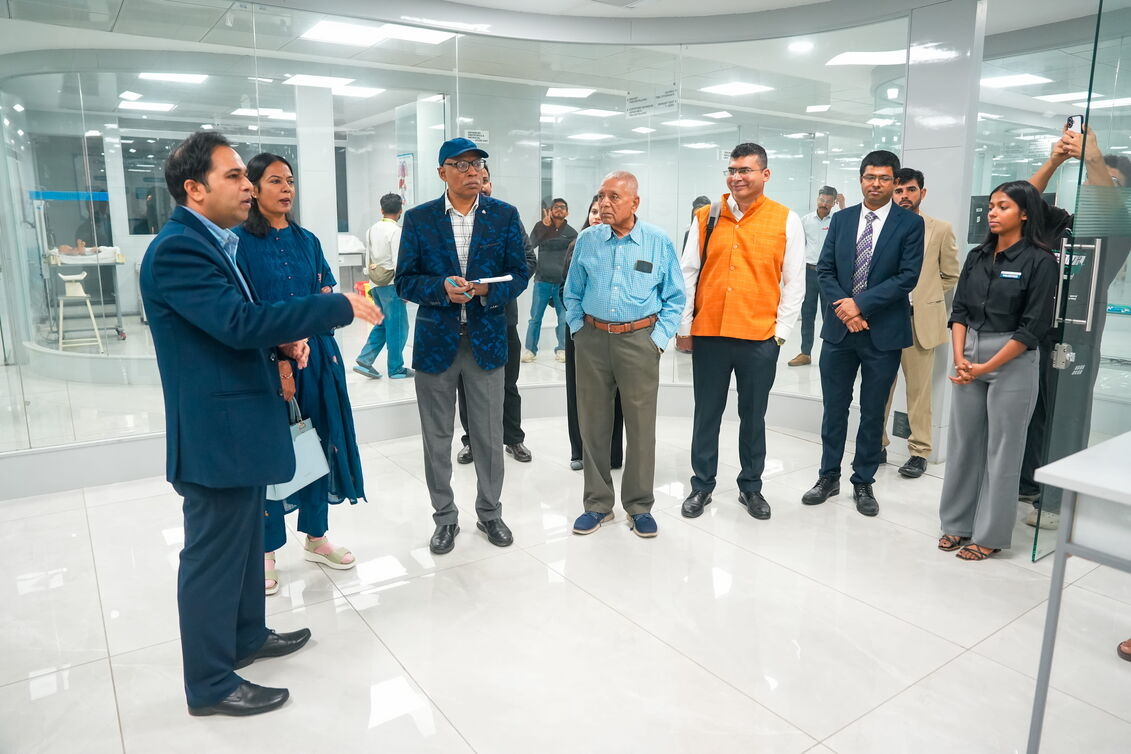
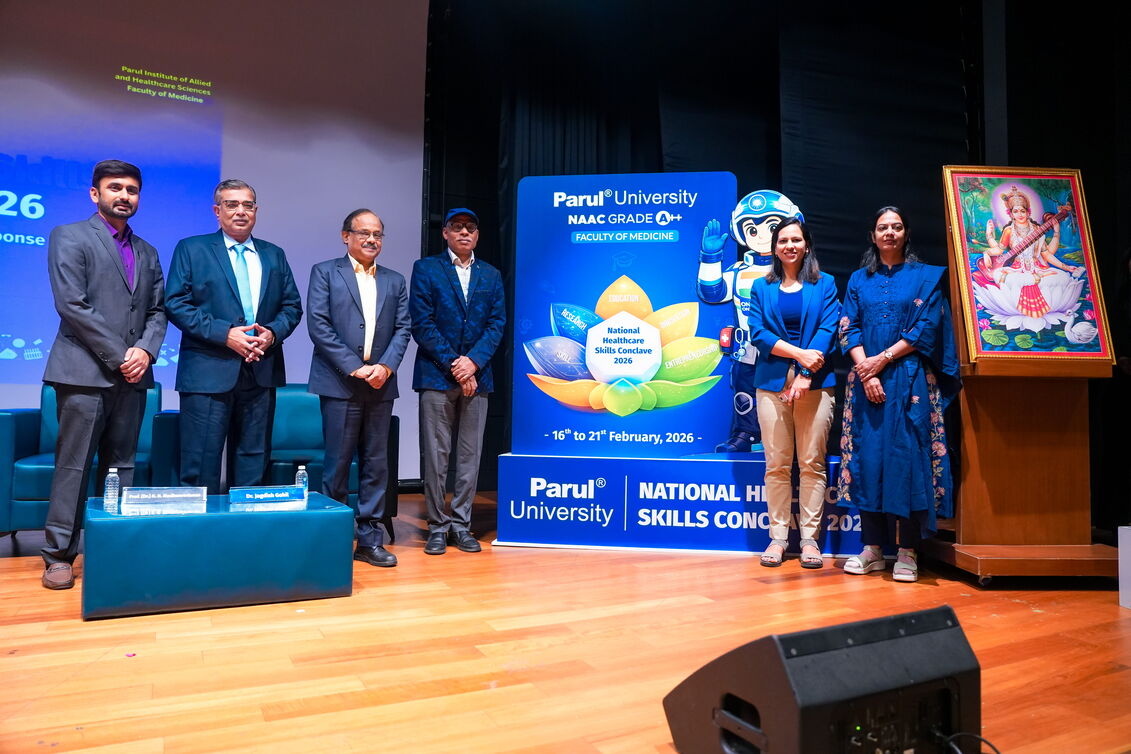
Dr. Dharmeshkumar Lal, Scientist E and Deputy Director General of the Indian Council of Medical Research (ICMR), attended the National Healthcare Skills Conclave 2026 at Parul University as Chief Guest. His remarks went beyond ceremonial pleasantries – he made specific, actionable offers to the university:
- ICMR’s annual budget has increased to ₹4,000 crore per year, an increase of approximately ₹860 crore – and he stated that ICMR is looking forward to distributing these resources to institutions that submit strong research proposals.
- He suggested that Parul University should work toward establishing a Centre of Excellence with ICMR, noting that the university has sufficient infrastructure, faculty members, logistic support, and technical expertise to qualify.
- He invited Parul University to approach ICMR directly for support, guidance, and capacity building in research methodology and research conduction.
- He mentioned that he personally goes to different medical colleges to organise research capacity building programmes focused on how to conduct research and write strong proposals that ICMR will fund.
- He disclosed that he was personally involved in chairing committees that funded real-world research projects – and was open to a long-term collaboration with Parul University.
What Is ICMR and Why Does This Matter?
The Indian Council of Medical Research (ICMR) is India’s apex body for biomedical research, operating under the Department of Health Research, Ministry of Health and Family Welfare, Government of India. ICMR funds, coordinates, and promotes biomedical research across the country. When ICMR’s Deputy Director General offers direct support to a university, it is not a courtesy – it is a gateway to nationally funded research projects, institutional recognition, and Centre of Excellence designation.
For MBBS and allied health students at Parul University, this means potential access to ICMR-funded research projects, exposure to evidence-based and translational research methodology, and institutional credentials that strengthen postgraduate applications and career profiles. Dr. Geetika Madan Patel noted that Parul University is already part of more than 10 ICMR research projects, meaning this offer builds on an existing relationship rather than starting from scratch.
Dr. Geetika Madan Patel on Innovation in Healthcare: From Glucometers to AI Anaesthesia
Dr. Geetika Madan Patel, Vice President of Parul University (Quality, Research & Health Sciences), used the inauguration to demonstrate why research and innovation matter through two vivid examples. She traced glucose monitoring from two-hourly lab blood tests to point-of-care glucometers to non-invasive CGM (Continuous Glucose Monitoring) patches. She traced anaesthesia technology from manual first-generation machines (where doctors manually bagged patients for ventilation) through second-generation infusion machines, third-generation ventilator-combo machines, to current AI-enabled workstations that calibrate anaesthetic doses precisely by body weight, ensuring patients receive not one ml of extra drug.
Her message: research and innovation are not abstract concepts – they directly determine how patients are treated, how efficiently healthcare is delivered, and how many lives are saved. Students who participate in research and innovation during their education are contributing to this trajectory.
The Skills Gap Story: Why the Conclave Exists
Dr. Patel also shared the personal story that defined the conclave’s philosophy. As a first-day intern in emergency medicine, she could not perform a single procedure on an unconscious child – despite knowing every step theoretically – because she had never practiced hands-on. The mother was looking at her with hope, and her hands were trembling. This gap between theoretical knowledge and practical ability is what simulation-based education at the Advanced Skills and Simulation Centre is designed to close.
She noted that the conclave combines all three pillars of academic excellence – research, innovation, and skills – in one week of events. Large-scale skill-based training is incorporated into the curriculum at Parul University, with students visiting the simulation centre and the hospital regularly. But the conclave adds concentrated workshops, competitions, and expert sessions that provide additional exposure.
Parul University’s Research Credentials:
10+ active ICMR research projects. AHPI Excellence in Medical Education Award 2026. NAAC A++ accreditation. NIRF Top 50 Innovation Ranking. 750+ bed NABH-accredited Parul Sevashram Hospital. Student innovation including a portable ECG model in use at the hospital. Advanced Skills and Simulation Centre with AHA International Training Centre certification.
FAQ - ICMR and Parul University
Did ICMR offer research support to Parul University?
Yes. ICMR Deputy Director General Dr. Dharmeshkumar Lal publicly offered direct support for health research, research methodology training, and guidance on funding proposals at the NHSC - National Healthcare Skills Conclave 2026 inauguration. He also suggested Parul University pursue Centre of Excellence status.
How many ICMR research projects is Parul University involved in?
Parul University is part of more than 10 active ICMR research projects focused on evidence-based and translational research for community health outcomes.
What is ICMR's current budget?
ICMR's annual budget is ₹4,000 crore (as announced at NHSC 2026), with an increase of approximately ₹860 crore - the largest funding increase in recent years.


