Completing a BTech in Chemical Engineering opens doors to a wide spectrum of career opportunities, especially in research, innovation, and advanced education. This branch of engineering equips students with strong analytical abilities, a deep understanding of chemical processes, and the skills to innovate solutions for challenges in energy, environment, materials, pharmaceuticals, and sustainability.
The journey after BTech Chemical Engineering is rich with possibilities. Let’s explore how this degree creates pathways for research, innovation, and higher studies in a world increasingly driven by sustainability and technological transformation.
What Does BTech Chemical Engineering Prepare You For?
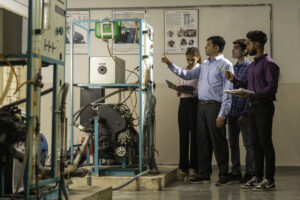
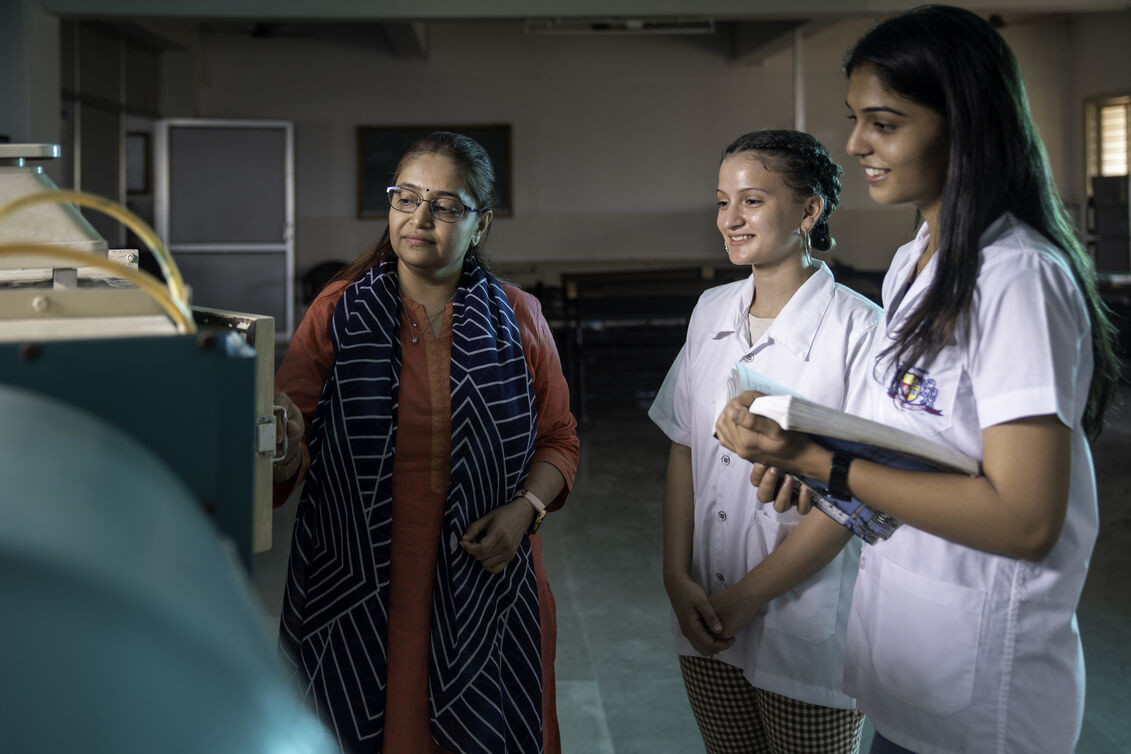
A BTech in Chemical Engineering builds a strong interdisciplinary foundation by combining principles from chemistry, physics, mathematics, and biology. Students learn how to design and optimise processes that transform raw materials into useful products: fuel, medicines, polymers, consumer goods, and more. They also gain practical lab experience and exposure to process control, mass transfer, thermodynamics, fluid mechanics, and reactor design.
This blend of theory and practice makes chemical engineers versatile thinkers capable of solving complex problems in both industrial and research contexts. Many graduates go on to innovate within core industries such as oil and gas, pharmaceuticals, energy, food processing, and environmental engineering.
Research Opportunities: Contributing to Technological Breakthroughs
One of the most exciting pathways after a BTech in Chemical Engineering is research in both academic and industrial settings.
a. Academic Research
Many chemical engineers pursue research roles at universities or research institutes. These roles often focus on fundamental and applied science, such as:
- Process intensification
- Advanced materials and polymers
- Sustainable chemical technologies
- Energy conversion and storage
- Environmental remediation
Academic research encourages deeper exploration of core engineering principles and allows you to contribute new knowledge to the field. It also prepares you for roles in teaching and mentorship at higher education institutions, where you can inspire the next generation of engineers.
For those committed to academic research, a master’s (MTech/M.Sc.) or PhD is often the next step, offering access to specialised labs, funded projects, and collaboration with leading scientists globally.
b. Industrial Research & Development (R&D)
Chemical engineers in industry R&D work on developing new products, processes, and technologies. Whether it’s creating biodegradable polymers, optimising sustainable fuels, or innovating drug manufacturing, R&D roles allow engineers to apply scientific knowledge to real-world challenges. This career path blends technical expertise with creativity and can lead to roles in innovation management or leadership in global firms.
Innovation Horizons: Where Chemical Engineers Lead the Future
Chemical engineers are uniquely positioned to drive innovation at the intersection of science and technology. Some of the most promising innovation domains include:
Green Technology & Sustainability
With sustainability becoming a global priority, chemical engineers contribute to:
● Green chemistry and sustainable process design
● Energy efficiency and renewable energy systems
● Carbon capture and recycling technologies
● Waste valorisation and water treatment solutions
These innovations address critical environmental challenges by minimising waste and maximising resource efficiency.
Advanced Materials & Nanotechnology
Developing new materials with enhanced properties, such as lighter weight, improved thermal stability, or increased conductivity, is driving innovation across aerospace, electronics, and healthcare. Chemical engineers often collaborate with material scientists to design next-generation polymers and composites.
Biotechnology & Pharmaceuticals
Chemical engineers are integral to bioprocessing, drug formulation, and scalable manufacturing of vaccines and biotherapeutics. Their expertise ensures that complex biological processes transition smoothly from lab scale to industrial production, an area of paramount importance for global health.
Higher Education Pathways: Expand Your Expertise
Higher education amplifies your ability to innovate, conduct research, and assume leadership roles. After completing a B.Tech. Chemical Engineering degree, many students choose one or more of the following advanced pathways:
a. MTech / MS in Chemical Engineering
This option allows you to specialise in areas such as process design, catalysis, environmental engineering, or energy systems. Advanced coursework and thesis projects offer hands-on research experience and prepare you for technical leadership roles
b. PhD / Doctoral Studies
A PhD is ideal for those passionate about research and academic careers. Doctoral research enables engineers to pursue deep exploration of niche fields, contribute new scientific discoveries, and publish in high-impact journals.
c. Interdisciplinary Graduate Programs
Some choose fields that merge engineering with other domains, such as:
● Material science
● Bioengineering
● Environmental science
● Computational modelling
These interdisciplinary programmes broaden career horizons and strengthen your ability to tackle complex global problems.
d. Management & Entrepreneurship
For engineers aiming to combine technical prowess with business acumen, programmes like MBA or specialised leadership courses can complement a technical background, especially for those looking to lead innovation teams or launch startups in tech fields.
Careers After Higher Education: Where You Can Lead
Completing advanced studies opens up diverse and rewarding career opportunities:
● Research Scientist / Engineer: Leading projects in advanced materials, energy, and biotechnology.
● R&D Specialist: Innovating products and processes in industrial labs.
● University Faculty / Professor: Teaching and mentoring future engineers while conducting research.
● Process Innovation Manager: Driving new technology adoption in manufacturing.
● Sustainability Consultant: Creating strategies for environmental compliance and green production.
● Entrepreneur / Startup Founder: Launching ventures based on novel chemical technologies.
These roles not only offer professional fulfilment but also influence how science and technology shape society.
Why BTech Chemical Engineering Is a Smart Choice Today
A BTech in Chemical Engineering isn’t just about conventional industry jobs; it is a launchpad for research, innovation, and impactful careers. The analytical, problem-solving and process design skills developed during the degree remain highly valuable across sectors. Chemical engineers contribute to critical advancements in energy, sustainability, healthcare, materials science, and beyond.
The ability to adapt, innovate, and apply scientific principles to real-world challenges makes this field a strategic choice for future-focused students. As industries increasingly prioritise sustainability and efficiency, chemical engineers will continue to be in demand across sectors that shape how we live and work.
Conclusion: Transforming Science into Solutions
The journey after a BTech Chemical Engineering degree is rich, diverse, and future-oriented. Whether you choose research, higher education, or innovation in cutting-edge industries, this discipline offers the tools to make meaningful contributions to technology and society.
Your next steps, whether into a master’s programme, a PhD, or a research role, can position you at the forefront of scientific discovery and technological progress. With a strong foundation and a mindset geared toward innovation, chemical engineers are well-equipped to lead the next wave of global solutions.