As technology evolves at breakneck speed, many students and parents wonder the same question: Is BTECH still worth it in 2026? With the rise of artificial intelligence (AI), automation, and new tech pathways reshaping industries, some argue that traditional engineering degrees are outdated. But when you look at how BTech programmes have adapted and the real demands of employers today, the answer isn’t just yes or no; it’s nuanced and opportunity-driven.
Let’s break down the truth about pursuing a BTech in AI and automation.
The Changing Face of B.Tech. Programmes
A Bachelor of Technology (BTech) is a four-year undergraduate engineering degree designed to impart foundational technical knowledge, problem-solving skills, and hands-on experience. Traditionally focused on core subjects such as mechanical, electrical, or civil engineering, modern BTech programmes now integrate digital and interdisciplinary subjects, including AI, robotics, data science, cybersecurity, and cloud computing.
This shift means students are no longer limited to legacy engineering topics; they now gain exposure to emerging technologies that are shaping the future. The flexibility of current BTech curricula allows learners to customise their education with electives and interdisciplinary modules that align with industry trends.
Why Does BTech Still Hold Value in 2026?
Foundational Knowledge and Critical Thinking
BTech programmes equip you with strong fundamentals in science, maths, engineering principles, and analytical thinking that many short-term tech certifications or courses can’t match. This deep understanding differentiates graduates in fields where complexity and problem-solving are essential.
Hands-On Project and Industry Exposure
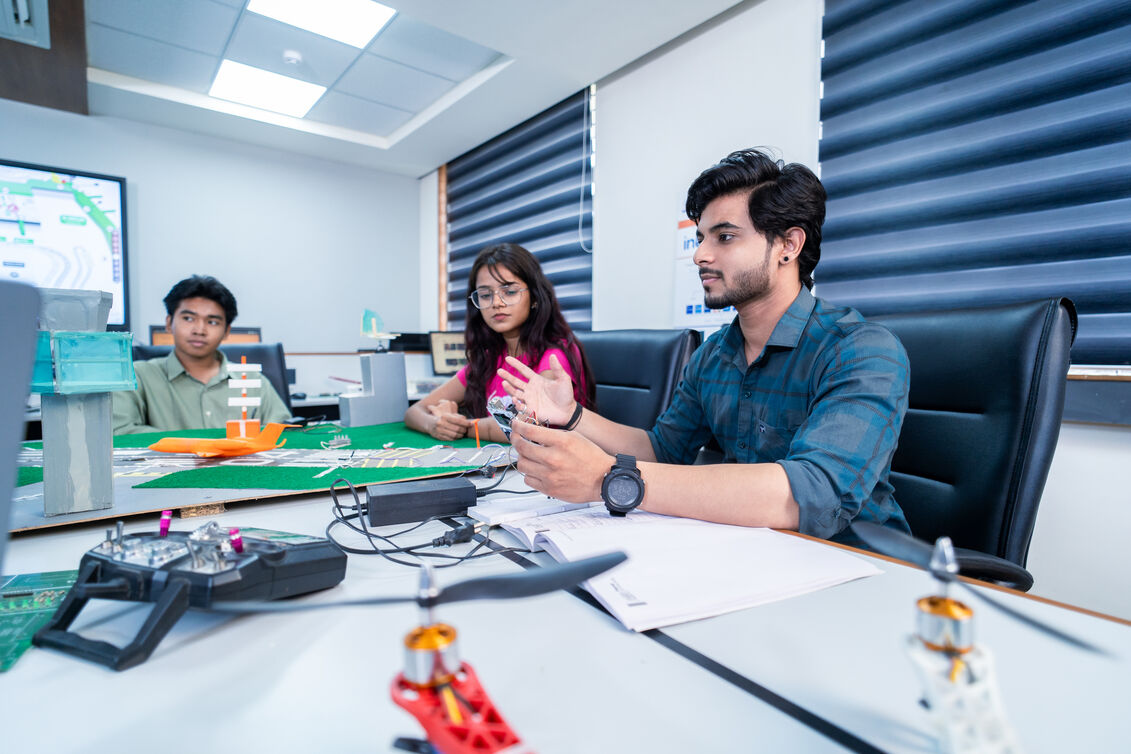
Modern BTech degrees emphasise practical, real-world learning through labs, internships, and capstone projects. These experiences allow students to build portfolios that reflect their skills in innovation, teamwork, and technology application.
Versatility Across Sectors
One of the biggest strengths of a BTech degree is versatility. Graduates can work in traditional sectors such as construction, manufacturing, and energy, as well as in rapidly evolving sectors like IT, AI research, environmental tech, and automation. This broad applicability gives BTech holders a resilient advantage in both tech and non-tech roles.
What’s the Impact of AI and Automation on Career Prospects ?
The rise of AI and automation is reshaping how work gets done across industries. Some routine tasks and entry-level roles may be automated, but the underlying creation, management, interpretation, and ethical governance of AI systems still require human expertise.
New Jobs, Not Just Automation
AI isn’t just about replacing jobs; it’s also about creating new roles: from AI engineers and data scientists to machine learning specialists, robotics designers, ethical AI consultants, and automation architects. These careers require strong technical backgrounds: precisely what a BTech can offer.
Specialisations That Matter
Specialisations such as BTech in Artificial Intelligence & Data Science, Cybersecurity, Cloud Computing, and Robotics & Automation are increasingly relevant because they directly align with where tech demand is growing. These fields emphasise skills that complement AI tools rather than being made redundant by them.
Even traditional branches like Computer Science & Engineering remain strong because they provide a flexible base from which students can pivot into emerging areas as technology evolves.
How do BTech Compare with Short-Term Courses ?
There’s no denying that short-term courses in AI, machine learning, or coding have gained popularity due to their quick entry to specific skills. However, these courses often lack the systematic, broad-based engineering knowledge and credentials that a BTech degree provides.
A BTech degree still carries significant weight among recruiters and often serves as a minimum requirement for many roles, especially in established industries and multinational tech firms. Moreover, BTech programmes frequently include short-term focused modules within the degree itself, combining the best of both worlds.
Future-Proofing Your Career with a BTech
Adaptability and Growth Mindset
A BTech degree isn’t just about what you learn now; it’s about building the capacity to learn continuously. Since technology evolves rapidly, the ability to adapt, reskill, and learn new tools is more valuable than ever.
Human Skills That Machines Can’t Replace
AI may automate certain tasks, but human skills such as creativity, empathy, leadership, critical thinking, and ethical decision-making remain irreplaceable. BTech programmes increasingly emphasise these “soft tech skills” alongside technical knowledge, making graduates more adaptable in AI-augmented workplaces.
Is BTech Worth It in 2026?
Yes, if you choose the right path and approach it with strategy and adaptability. A BTech degree in 2026 is far from obsolete; it’s evolving with the demands of an AI-driven world.
The real value lies in selecting specialisations aligned with future demand, such as AI, cybersecurity, data science, and automation, while embracing interdisciplinary learning and keeping pace with emerging technologies.
At the same time, long-term success depends on cultivating a mindset of lifelong learning, gaining practical exposure, and staying aligned with industry relevance. Where automation is reshaping job roles rather than eliminating opportunity altogether, a BTech degree continues to offer a strong technical foundation, adaptability, and career flexibility, provided students make informed choices and remain proactive in upgrading their skills.